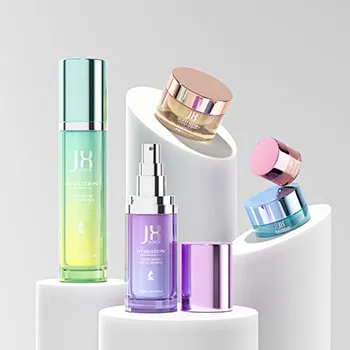
PDRN skincare is becoming one of the most interesting product directions for brands that want to build a premium repair-focused product line. Instead of launching another basic moisturizer or hyaluronic acid serum, many skincare brands are now looking for ingredient stories that feel more advanced, more marketable, and more connected to current K-beauty and skin booster-inspired trends.
In my experience working with private label skincare product development, PDRN is not only suitable for one serum. It can become the core concept of a full skincare line, including serum, cream, ampoule, sheet mask, eye serum, sleeping mask, and skincare set products.
For brands, the real question is not simply “What is PDRN?” The better question is: how can PDRN be developed into a complete product line that fits the target customer, market positioning, packaging style, and OEM/ODM production plan?
This guide explains how to develop a private label PDRN skincare line from a brand development perspective. I will cover product planning, formula pairing ideas, packaging direction, OEM/ODM development steps, and how to choose the right PDRN skincare manufacturer.

To develop a private label PDRN skincare line, brands should first define the product positioning, choose the hero product, plan the product routine, select formula pairings, match suitable packaging, create samples, review claims, and work with an experienced OEM/ODM skincare manufacturer.
A practical PDRN skincare line may include:
For most new brands, I would suggest starting with a PDRN serum and PDRN cream first. These two products are easier to explain, easier to package, and easier to build into a complete hydrating repair skincare routine.
PDRN stands for polydeoxyribonucleotide. In skincare marketing, it is often connected with salmon DNA skincare, repair care, K-beauty, skin booster-inspired products, and premium age-care concepts.
For cosmetic skincare, I prefer to position PDRN around hydration, skin comfort, smoother-looking skin, and repair-care routines. I would not position it as a medical treatment product. Brands should avoid claims such as “heals wounds,” “repairs damaged cells,” “treats scars,” or “regenerates skin tissue.”
A better cosmetic-friendly direction is:
This makes PDRN attractive for brands that want to develop a line with a high-end ingredient story but still need a realistic product and claim strategy.
PDRN is especially suitable for brands that want to create:
The advantage of PDRN is that it can be built into multiple products. A brand can start with one hero serum and later expand into cream, ampoule, mask, eye serum, or a full PDRN skincare set. This makes it useful not only as an ingredient trend, but also as a product line strategy.
When developing a private label PDRN skincare line, the product structure should be clear. Each product should have a role in the routine instead of repeating the same benefit.

Here is a practical way to plan a PDRN skincare line:
| Product Type | Role in the Line | Formula Direction | Best For |
| PDRN Serum | Hero product | PDRN + hyaluronic acid / peptides | Daily hydration, repair-care positioning, hero product marketing |
| PDRN Cream | Moisturizing and barrier support product | PDRN + ceramide / panthenol / cica | Dry skin, sensitive-looking skin, night routine |
| PDRN Ampoule | Premium booster product | PDRN + peptides / ectoin / multi-weight HA | K-beauty inspired skin booster concept |
| PDRN Sheet Mask | Instant hydration and comfort product | PDRN + HA / cica / allantoin | E-commerce, spa, salon, and routine add-on products |
| PDRN Eye Serum | Eye care extension | PDRN + peptides / caffeine / HA | Premium eye care and anti-aging skincare lines |
| PDRN Sleeping Mask | Night repair-care product | PDRN + beta-glucan / HA / panthenol | Overnight moisture and recovery-looking skincare |
| PDRN Skincare Set | Complete routine | Serum + cream + mask or ampoule | Higher average order value and stronger brand identity |
This product structure is important because a complete skincare line should not feel like a group of unrelated products. The serum, cream, mask, and eye care product should all support the same core story: hydrating repair care with a premium PDRN concept.
Not every brand should launch six products at the same time. A smarter approach is to choose the right hero product first.
For a new private label brand, I usually suggest starting with:
A PDRN serum can become the hero product because serums are easy to market and consumers already understand them as concentrated treatment-style skincare. A PDRN cream can support the routine by adding moisture, comfort, and barrier support.
This two-product structure is simple but strong. It gives the brand a clear routine without requiring too much upfront complexity.
For brands that already have customers, a larger PDRN skincare line may be more suitable.
A good structure can include:
This allows the brand to create a full repair-care routine and increase average order value. It also gives more content opportunities for product pages, bundles, email marketing, social media, and skincare routine education.
For spa or salon-focused brands, I would consider:
This combination works well for professional-style treatment routines. The ampoule can feel more intensive, the sheet mask can support instant hydration and comfort, and the cream can complete the care routine.
The key is to match the product structure with the brand’s sales channel. A Shopify brand, Amazon brand, distributor brand, and salon brand may need different product combinations.
PDRN should not stand alone as the only product story. Supporting ingredients are important because they help define the formula direction, skin feel, and market positioning.
Here are several formula pairing ideas for private label PDRN skincare products:
| Formula Pairing | Suitable Product | Positioning |
| PDRN + Hyaluronic Acid | Serum, ampoule, mask | Hydrating repair, dewy-looking skin, moisture support |
| PDRN + Peptides | Serum, eye serum, ampoule | Premium anti-aging, elasticity care, smoother-looking skin |
| PDRN + Ceramide | Cream, lotion, emulsion | Barrier support, dry skin care, comfort-focused repair |
| PDRN + Cica / Panthenol | Serum, cream, mask | Soothing care, sensitive-skin-positioned products |
| PDRN + Ectoin | Serum, cream | Premium sensitive skin, environmental stress care |
| PDRN + Niacinamide | Serum, toner, cream | Hydrating glow, uneven-looking tone care |
| PDRN + Beta-Glucan | Cream, sleeping mask, mask | Comfort, moisture support, soft skin feel |
For most brands, I would not recommend adding too many hero ingredients into one product. A formula with a clear story is usually easier to market than a formula with a long list of actives that compete for attention.
A simple example would be:
PDRN + hyaluronic acid serum for hydrating repair care.
PDRN + ceramide cream for barrier support.
PDRN + cica sheet mask for soothing comfort.
This kind of product structure is easy for consumers to understand and easier for brands to explain across product pages, packaging, and social media.
For a private label PDRN skincare line, texture and packaging matter as much as the ingredient story. A premium ingredient needs a premium product experience.
A PDRN serum can be developed as:
For Western consumers, I usually suggest a texture that absorbs well, layers easily, and does not feel too sticky. A lightweight gel serum or smooth ampoule texture is often a good starting point.
A PDRN cream can be developed as:
For dry skin or barrier support positioning, a richer cream may work better. For younger consumers or humid markets, a gel cream may be more suitable.
A PDRN mask can be developed as:
For e-commerce brands, PDRN sheet masks are easy to bundle with serum and cream. For premium brands, a PDRN sleeping mask can help build a stronger night routine.
The visual style should match the target market and brand positioning.
For a clinical repair style, brands can use:
For a K-beauty inspired glow style, brands can use:
For a luxury anti-aging style, brands can use:
Packaging should be discussed early in the OEM/ODM process because it affects MOQ, filling compatibility, stability, label design, cost, and final product presentation.
Developing a private label PDRN skincare line is not just about choosing a formula from a catalog. It should be treated as a full product development project.
A practical OEM/ODM process usually includes five main steps.
The first step is to define the product line. Will the brand start with serum only, serum and cream, or a full skincare set?
At this stage, the brand should confirm the target market, target consumer, product positioning, price range, and launch plan.
After the product structure is clear, the manufacturer can develop or adjust formulas. This includes choosing PDRN, supporting ingredients, texture, fragrance direction, preservative system, and skin feel.
The formula direction should match the product role. A serum, cream, ampoule, and mask should not all feel the same.
Sample testing is one of the most important steps. Brands should check texture, absorption, fragrance, skin feel, appearance, color, packaging compatibility, and overall user experience.
For a PDRN skincare line, the products should feel consistent as a routine.
Packaging needs to match both the formula and the brand image. A thicker serum may not work well with every dropper. A cream may require a jar, tube, or airless pump. A sheet mask requires pouch design and carton planning.
Good packaging matching helps prevent production issues and improves the final consumer experience.
Once formula, packaging, and design are confirmed, the project can move into production. Quality control should include raw material review, filling, packaging inspection, batch consistency, and final product checks.
For export brands, documentation support may also be needed depending on the target market. This can include product information, ingredient documents, COA, MSDS, or other market-related support.
Choosing the right PDRN skincare manufacturer is important because a PDRN product line requires more than one formula. The manufacturer should understand product positioning, formula pairing, packaging matching, sample development, production, quality control, and export needs.

At Xiran Skincare, we support brands with private label and OEM/ODM PDRN skincare development, including PDRN serum, PDRN cream, PDRN ampoule, PDRN sheet mask, PDRN eye serum, and complete PDRN skincare sets.
For brands that want to create a premium hydrating repair line, our team can help with formula direction, ingredient pairing, sample development, packaging selection, label support, bulk production, quality control, and export documentation support.
Xiran Skincare can support different brand needs, including startups, e-commerce brands, spa and salon brands, distributors, and established skincare brands looking to expand into premium PDRN repair skincare.
Instead of only offering a generic formula, we focus on helping brands develop products that fit their target customer, market position, texture preference, packaging style, and long-term product line strategy.
PDRN is not only a serum ingredient. For skincare brands, it can become the core story of a complete private label repair skincare line.
A strong PDRN skincare line can include serum, cream, ampoule, mask, eye care, and skincare set products. The key is to build the line with a clear product strategy instead of simply adding PDRN to every formula.
For new brands, starting with a PDRN serum and cream is usually the most practical choice. For established brands, a full PDRN skincare set can create stronger brand identity and higher perceived value. For spa and salon brands, PDRN ampoules and masks may be especially useful.
The success of a private label PDRN skincare line depends on formula direction, texture, packaging, claims, testing, production, and manufacturer support.
If your brand is planning to develop a private label PDRN skincare line, working with an experienced OEM/ODM manufacturer can make the process easier. Xiran Skincare can help you turn a PDRN product idea into a complete skincare line that fits your brand positioning, target market, and long-term product strategy.