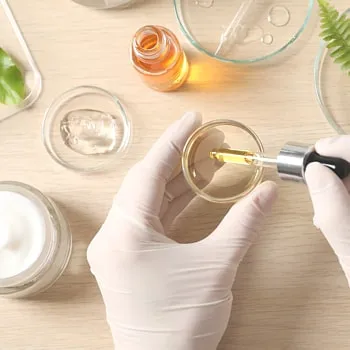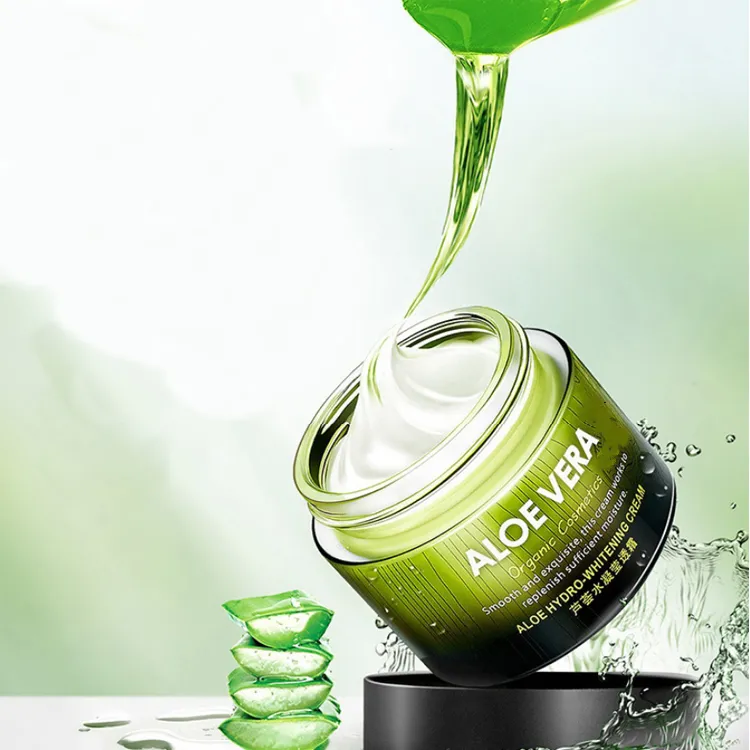
PDRN cream is an interesting product direction for skincare brands that want to develop a premium repair-care line. PDRN serum is often the star of the show, but a well-developed PDRN cream can be just as important in a comprehensive skincare routine.
In my experience with private label skincare product development serums are generally the hero product, but creams tend to be the repeat purchase value. A good cream can help complete the routine, improve the structure of the product line, and give customers a more comfortable daily skin care experience.
PDRN cream is not just a moisturiser for private label brands. Depending on the formula direction, texture, packaging and target market it can be marketed as a hydrating repair cream, barrier support cream, night cream, gel cream or premium age-care cream.
In this guide we will look at how to formulate a private label PDRN cream from the point of view of the manufacturer / product developer. I will discuss formula ideas, texture options, packaging options, OEM / ODM manufacturing steps, and how to select the right PDRN cream manufacturer for your brand.

To create a private label PDRN cream, a brand needs to start by defining the product positioning, choosing the cream texture, selecting supporting ingredients, selecting suitable packaging, testing samples, reviewing claim language, and partnering with an experienced OEM/ODM skincare manufacturer.
A PDRN cream can be developed as:
I would recommend developing PDRN cream as a part of a larger repair-care routine for most brands. It works well with a PDRN serum, PDRN ampoule or PDRN sheet mask to form a stronger product line.
PDRN stands for polydeoxyribonucleotide. In skincare marketing, it is often connected with K-beauty inspired skincare, salmon DNA skincare, skin booster concepts, and premium repair-care products.
Generally, a PDRN cream is marketed as a moisturising cream that aids hydration, skin comfort, barrier care and a smoother-looking skin appearance. It can be used as a daily moisturiser, night cream, barrier support cream or the cream step in a full PDRN skincare set.
I like to be careful and realistic in my wording when I describe PDRN cream for cosmetic skin care. Instead of saying it “heals skin” or “regenerates skin cells,” I would have it close:
This type of positioning is more appropriate for cosmetic brands especially those selling in the US, EU, UK, Australia, Middle East or other compliance sensitive markets.
PDRN cream is appealing as it provides a more premium ingredient story to a basic cream category.
Many brands already sell moisturisers, barrier creams, night creams or anti-aging creams. The problem is that the moisturiser category is very competitive. A plain hydration cream might not make enough of a difference to consumers.
PDRN can help you think of a better product idea.
For example, a brand can make a PDRN cream such as:
Cream has a different function in the routine than serum. The hero ingredient is usually the star of the show in a serum, while a cream helps seal in moisture, adds comfort and gives the final touch to the skincare experience.
That’s why I often tell brands to look at PDRN cream once they’ve established a PDRN serum. A serum and cream set is easier to market than a single product, as it gives customers an easy two-step routine.
The best PDRN cream formula will depend on the brand’s positioning. A cream for dry skin is not the same texture and ingredient makeup as a gel cream for oily or combination skin.

Here are some formula directions brands might consider:
| PDRN Cream Type | Formula Direction | Suitable Brand Positioning |
| PDRN Hydrating Cream | PDRN + hyaluronic acid + glycerin | Daily moisture, dewy skin care, lightweight repair cream |
| PDRN Barrier Cream | PDRN + ceramide + panthenol | Barrier support, dry skin care, sensitive-skin-positioned brands |
| PDRN Soothing Cream | PDRN + cica + allantoin | Comfort care, calming skincare, K-beauty inspired products |
| PDRN Anti-Aging Cream | PDRN + peptides + ectoin | Premium age-care line, luxury repair cream |
| PDRN Night Cream | PDRN + beta-glucan + squalane | Night routine, richer texture, dry skin care |
| PDRN Gel Cream | PDRN + HA + panthenol | Lightweight K-beauty style cream, oily or combination skin |
| PDRN Serum and Cream Set | PDRN serum + PDRN cream | Complete repair-care routine, higher perceived value |
I would not recommend that you try to brainstorm too many PDRN cream concepts for a new private label brand all at once. Better to take one clear direction first.
A PDRN hydrating cream would be a good starting point if the brand is looking for a broad daily product.
For a more powerful repair-care story, a PDRN barrier cream might be more suitable for the brand.
If the brand wants to target premium anti-aging skincare, a PDRN peptide cream or night cream could be more effective.
There are many possible combinations of formulas but I would focus on three directions first because they are practical, easy to explain and suitable for private label cream manufacturing.
This is one of the most powerful directions of PDRN cream.
Ceramide and panthenol are already familiar to consumers who care about dry skin, skin comfort and barrier support. The formula can be sold as a barrier support cream or repair-care moisturiser, in combination with PDRN.
This direction is suitable for:
For this type of product I’d normally suggest a soft cream or rich cream texture. It should be comforting, not too greasy. The goal is to leave skin feeling moisturised, cushioned and protected.
Packaging can be clean and clinical, such as an airless jar, airless pump bottle, white tube, or frosted jar. This helps to communicate a professional and trustworthy image of the product.
This direction is suitable for brands that are looking for a hydrating repair cream with a lighter, more elegant skin feel.
Hyaluronic acid helps to hydrate and squalane can help create a soft, smooth and comfortable finish. This formulation combined with PDRN can be marketed as a daily moisturising cream for dewy and healthier-looking skin.
This direction is good for:
This can be a very sellable direction for younger or e-commerce brands. It’s contemporary, straightforward and practical for everyday use.
Texture may be gel cream, soft cream or light emulsion cream. Visual elements can be soft blue, pearl white, translucent or water-inspired.
It’s a higher-end direction for brands seeking a luxury age-care cream.
Peptides are common in anti-aging skincare positioning, while ectoin is common in sensitive skin, environmental stress care and premium barrier support formulations. This formula can work with PDRN to make a more powerful high-end product story.
This direction is suitable for:
For a formula of this sort I would suggest a richer, more refined texture. It should be smooth, elegant, nourishing but not heavy or sticky.
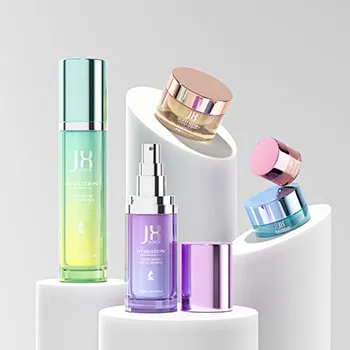
Packaging should also be in line with the premium positioning. Glass jars, airless jars, metallic caps, pearl white packaging or champagne gold accents are a good option.
Texture is one of the most important parts of the PDRN cream manufacturing. Most brands pay attention to the ingredient list, but consumers often judge a cream by how it feels on the skin.
A PDRN cream can be developed in several texture types:
| Texture Type | Skin Feel | Best For |
| Gel Cream | Fresh, lightweight, fast-absorbing | Oily skin, combination skin, younger consumers, summer products |
| Soft Cream | Smooth, moisturizing, comfortable | Daily use, most skin types, general repair-care positioning |
| Rich Cream | Nourishing, cushiony, protective | Dry skin, mature skin, winter skincare, night routine |
| Barrier Cream | Comforting, slightly protective, skin-coating feel | Barrier support, sensitive-skin-positioned brands |
| Sleeping Cream | Moisturizing, soft mask-like finish | Night repair-care routine, premium skincare line |
| Emulsion Cream | Lightweight but moisturizing | Markets that prefer lighter creams, humid climates |
I usually tell Western consumers to stay away from textures that feel too sticky or too heavy, unless it’s a product that’s clearly for very dry skin or night care. A cream should feel luxurious, yet comfortable enough to wear everyday.
A soft cream or rich cream texture may be more suitable for a PDRN barrier cream.
For a PDRN gel cream, the product should feel fresh, smooth, and easy to layer.
A richer texture can help create a more luxurious experience for a PDRN night cream.
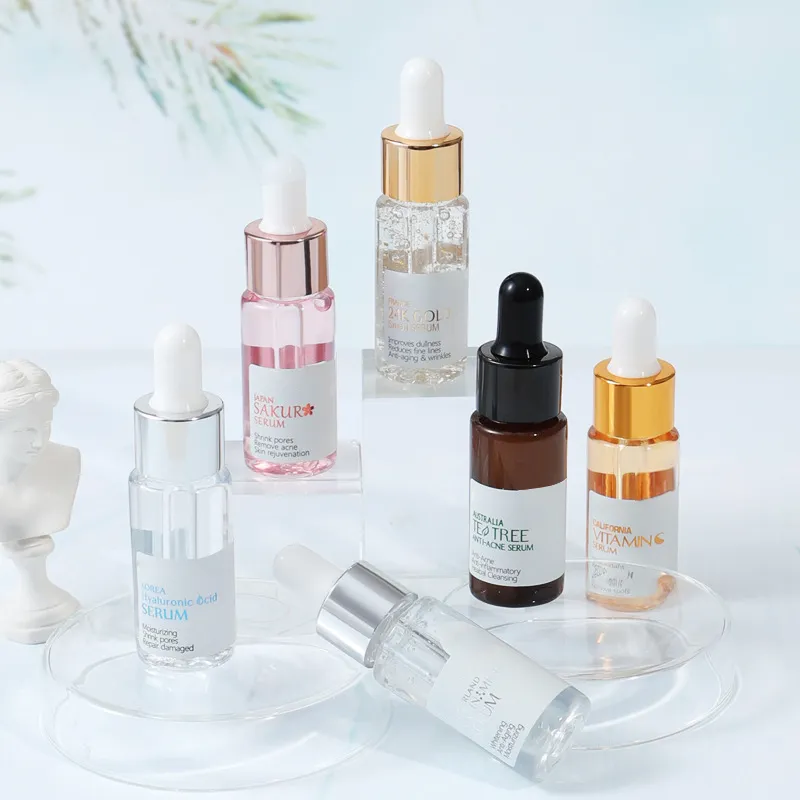
Packaging should reflect the formula, texture and brand positioning . A PDRN cream typically comes with a more premium product story than a basic moisturiser, so the packaging should not look too generic.

Here are some packaging options:
| Packaging Type | Suitable For | Brand Feeling |
| Jar | Rich cream, night cream, luxury cream | Classic, premium, beauty-focused |
| Airless Jar | Premium repair cream, sensitive-skin-positioned cream | Hygienic, professional, high-end |
| Tube | Daily cream, gel cream, travel cream | Practical, lightweight, e-commerce friendly |
| Airless Pump Bottle | Barrier cream, sensitive skin cream, emulsion cream | Clean, clinical, convenient |
| Set Packaging | PDRN serum and cream set | Complete routine, higher perceived value |
| Travel Size Packaging | Trial kits, discovery sets | Useful for new brands and sampling |
If the brand is launching a PDRN serum and cream set, my suggestion would be to plan both products simultaneously. The bottle, jar, carton, label design and colour system must be the same.
For a clinical repair style, white, soft blue, silver and frosted packaging can be a good choice.
For a K-beauty inspired look, one could go for translucent packaging, light blue, soft pink and water-like visuals.
Stronger shelf appeal can be created with pearl white, champagne gold, metallic details and glass jars to create a luxury anti-aging style.
Packaging is an important element to discuss early as it impacts filling compatibility, stability, MOQ, cost, label design and presentation of the final product.
The making of PDRN cream is not just a matter of putting ingredients into a formula. Cream products require careful consideration of texture, emulsion stability, compatibility with packaging, consistency between batches, and quality control.
Usually a practical OEM/ODM manufacturing process will involve six steps.
The first step is to validate the product concept. Is the cream for hydration, barrier, sensitive skin positioned care, anti-aging or night repair-care?
This decision impacts the formula, texture, packaging and marketing direction.
Once the idea is understood, the manufacturer can either develop or tweak the formula. This includes PDRN, supporting ingredients, emulsifiers, moisturisers, oils, texture modifiers, preservatives, fragrance direction and final skin feel.
The formula system is very important for a PDRN cream as the product must feel pleasant and it has to be stable.
Tweaking cream texture normally takes many rounds. A formula may appear good on the technical side but feel too heavy, too thin, too sticky or not moisturising enough.
Brands should try the cream on skin to determine whether the texture is appropriate for the intended market.
The packaging and cream must work in tandem. A richer cream may be better in a jar or airless jar, a lighter emulsion cream may work well in a pump bottle or tube.
Before mass production, it is necessary to verify the package compatibility, to prevent leakage, dispensing problems or change in appearance.
Covering texture, smell, colour, look, packaging, label, carton and product claims. The brand needs to approve the final sample before production.
This step reduces the risk of changes during mass production.
Once the project is approved, it enters bulk production. Quality control should involve raw material review, emulsification process control, filling, packaging inspection, batch consistency, appearance and final product checks.
Depending on the market you are targeting, export projects may also require support in the form of documentation.
Choosing a PDRN cream maker is important because cream creation needs more than just a recipe. The manufacturer should know how to modify the texture, match the ingredients, match the packaging, test the samples, ensure the production consistency, and provide export support.
Xiran Skincare is a manufacturer of PDRN cream for private label and OEM/ODM skincare brands. Our team can assist with formula direction, custom PDRN cream formulation, texture development, sample testing, packaging matching, label support, bulk production, quality control and export documentation.
We can support various PDRN cream concepts as follows:
Xiran Skincare also supports related products for brands who want to build a full PDRN skincare line like PDRN serum, PDRN ampoule, PDRN sheet mask, PDRN eye serum, skincare sets.
We don’t just sell a standard cream formula, we help brands develop products that fit their target customer, price point, texture preferences, packaging style and long term skin care line strategy.
PDRN cream is not a typical moisturising cream. It can be formulated into a premium repair-care cream for private label brands to support hydration, skin comfort, barrier care and complete PDRN skincare line development.
Successful PDRN Cream must have a clear product direction. It can be developed into a hydrating cream, barrier cream, gel cream, night cream or premium anti-aging cream depending on the target customer and market positioning.
If a brand already has a PDRN serum, a PDRN cream can help to complete the routine and create a stronger serum and cream set. A PDRN cream could also be developed as the key moisturising product in a premium repair-care line for new brands.
The key is to work with a manufacturer that understands formula design, texture development, packaging compatibility, sample testing, production consistency, and responsible claim language.
If your brand is planning to develop a private label PDRN cream, Xiran Skincare can support your project from formula concept to finished product manufacturing. Whether you want a PDRN hydrating cream, PDRN barrier cream, PDRN gel cream, PDRN night cream, or a complete PDRN skincare line, the first step is to define your product direction clearly. Once the concept is clear, the formula, texture, packaging and manufacturing plan can be built around your brand’s market strategy.