For skincare brands searching for the next premium repair-care concept, PDRN and hyaluronic acid can be a very interesting formula direction. Based on my experience working on private label skincare projects, brands don’t want just another run-of-the-mill hydrating serum. They want a product story that is modern, marketable and relevant to what consumers are already seeing in K-beauty, skin booster routines and high performance repair skincare.
This is the reason why the association of PDRN and hyaluronic acid deserves some attention.
PDRN provides the formula with a more advanced repair-care positioning, while hyaluronic acid assists in hydration, plumpness and comfortable skin feel. These can be turned into serums, ampoules, creams, masks, eye care products or a whole skincare set for brands that want to create a more premium product range.
This article is intended for skincare brand owners, product developers and private label buyers looking into a PDRN + hyaluronic acid skincare concept. I will explain why this combination is good for product development, what product formats it can be used in, how to pair it with other ingredients and what to think about when starting an OEM/ODM skincare project.
PDRN is an acronym for polydeoxyribonucleotide. Beauty care is often associated with repair care, skin booster ideas, K-beauty trends, and high-end anti-aging ideas in the marketing of skin care. Many consumers also associate it with salmon DNA skincare, but brands need to tread carefully when telling and marketing this story.
As for cosmetic skincare products, I prefer to set PDRN as an advanced ingredient direction for products aiming at dry, tired-looking, dull or fragile-looking skin. This is a good fit for product concepts such as hydrating repair serum, barrier support cream, skin booster ampoule and premium recovery looking skincare.

Consumers are much more familiar with hyaluronic acid. It is widely used in serums, creams, masks, toners and eye care products for its ability to help skin hydration and a plumper looking appearance. It is also very flexible from the point of view of the formulation. Different molecular weights of hyaluronic acid can be used to deliver different skin feel, absorption and hydration effects.
From a manufacturer’s point of view, when I look at this combination, I don’t see PDRN and hyaluronic acid as two random trendy ingredients. To me, they are two halves of the same formula story.
PDRN adheres to the premium repair-care concept.
Hyaluronic acid helps with the instant hydration experience.
“That makes it easier for consumers to understand, and easier for brands to communicate the combination.”
A good skincare formula takes more than a trendy ingredient. It also needs a clear UX. This is where hyaluronic acid is very useful in a PDRN product.
PDRN may potentially give the product a more refined and science-based positioning, but consumers are often judging a product on how it feels on the skin after the first use. Does it feel moisturizing? Does it soak up good? Does the skin feel soft, fresh and comfortable? Does the texture match the price of the product?
Hyaluronic acid helps to support this first impression. It can make the formula feel more hydrating, smoother and more suitable for daily use. For a serum or ampoule it can help to create a light but moisturizing texture. It can help for a cream to a more cushiony and comfortable skin feel. In a mask, it may help deliver the dewy, hydrated look many consumers expect from repair-centric skincare.
From a brand positioning perspective, PDRN and hyaluronic acid can complement each other in several ways:
That is important for brands. A hero ingredient that is too technical may not be understood by consumers. “If a formula is overly simplistic, it might not feel any different than other hydrating products. PDRN + Hyaluronic acid is somewhere in the middle. It sounds complex but is still very easy to explain.
For brands looking to develop a premium hydration and repair-care product line, I’d normally suggest a PDRN + hyaluronic acid formula direction. It is especially well-suited for brands targeting consumers who are already interested in skin barrier care, dewy skin, post-treatment-looking skincare routines and gentle anti-aging products.
This formula direction can be used for products aimed at:
But brands shouldn’t market this kind of cosmetic product as a medical treatment. I wouldn’t recommend claims like “heals wounds,” “repairs damaged cells,” “treats scars,” or “medical skin regeneration.” These types of claims can open up regulatory and trust issues, especially for brands that are selling in the US, EU, UK, Australia or other compliance-sensitive markets.
A better way is to use a language that is cosmetic friendly like:
This formulation is more appropriate for a cosmetic product, and easier to adapt in different markets.
The big question for private label skincare brands is not just if PDRN and hyaluronic acid sound appealing. The real question is what products can be developed from this idea?

Below are a few product ideas I’d consider for a PDRN + hyaluronic acid skincare line:
| Product Type | Product Positioning | Texture Direction | Suitable For | Packaging Ideas |
| PDRN Hydrating Repair Serum | A daily serum focused on hydration, comfort, and repair-care positioning | Lightweight serum, watery gel serum, slightly viscous essence | Dry, dehydrated, dull, or tired-looking skin | Glass dropper bottle, airless pump bottle |
| PDRN HA Ampoule | A premium skin booster-inspired ampoule for a more concentrated skincare routine | Silky ampoule, fast-absorbing essence, clear gel serum | K-beauty inspired brands, premium repair lines, spa skincare | Ampoule bottle, glass vial, luxury dropper bottle |
| PDRN Repair Cream | A moisturizing cream designed for barrier support and dry skin comfort | Gel cream, rich cream, soft repair cream | Dry skin, sensitive-looking skin, mature skin | Jar, airless jar, tube, pump bottle |
| PDRN Hydrating Sheet Mask | A single-use mask for instant hydration and a dewy-looking finish | Essence-soaked sheet mask with hydrating serum | E-commerce brands, salon brands, K-beauty inspired lines | Sachet pouch, premium mask pouch, boxed mask set |
| PDRN Sleeping Mask | A night care product for brands that want a soft recovery-looking skincare concept | Gel mask, cream mask, overnight moisture mask | Dry, tired-looking, and dull skin | Jar, tube, airless bottle |
| PDRN Eye Serum | A lightweight eye care formula focused on hydration and fine-line appearance caused by dryness | Lightweight eye serum, cooling gel serum | Eye care brands, anti-aging lines, premium skincare sets | Small airless bottle, roller bottle, slim tube |
| PDRN Skincare Set | A complete hydrating repair routine built around PDRN and hyaluronic acid | Serum + cream + mask, or ampoule + cream + eye serum | Brands launching a premium repair line | Gift box, retail set, travel set, professional care set |
Of these options, I typically suggest new brands start with one hero product first, like a PDRN hydrating repair serum or PDRN HA ampoule. These formats are easier to sell, easier to explain and are often more amenable to premium pricing.
If you already have customers, a skincare set would be a better choice. A full PDRN + hyaluronic acid regimen can increase average order value and brand identity.
A strong PDRN + hyaluronic acid formula will not depend only on these two ingredients. Supporting ingredients are as important as the main ingredients in real product development and contribute to Texture, Skin Feel, Positioning and Market Appeal.
I had some formula pairing ideas I’d come up with for private label brands.
A good direction for brands looking for a gentle hydrating repair serum or soothing cream. Consumers know panthenol and it works well in formulas for skin comfort, moisture support and barrier care.
This can be fitted as:
This is great for brands wanting to have a more robust barrier care story. “Ceramides are well known in moisturizing and barrier support products, so they can help make the formula easier for consumers to understand.
This blend is particularly suitable for:
Cica is often used in skincare concepts for calming and soothing purposes. When combined with PDRN and hyaluronic acid, it could provide a K-beauty inspired formula direction that is gentle, modern and consumer-friendly.
This direction can accommodate:
If a brand wants to move the formula in the anti-aging direction, peptides can be a good supporting direction. This kind of formula can be targeted at hydration, more seamless looking skin, elasticity look and premium age-care positioning.
This combo can accomodate:
Niacinamide is a very well-known ingredient by consumers and can help to create a brighter and more even-looking skin positioning. This combination can be useful for brands that want to combine hydration, repair care and dullness care in one product.
This direction can suit:
Ectoin is a great choice for brands looking for a more advanced concept for sensitive skin and environmental stress care. That can make the formula feel more premium and more relevant for modern skin barrier care positioning.
This combo can fit:
When I’m developing these concepts, I usually tell brands not to put too many actives in the formula. A brief story about a product often works better than a long list of ingredients. For example, “PDRN + hyaluronic acid + panthenol hydrating repair serum” is easier to understand than a formula with 10 hero ingredients vying for attention.
Ingredients are often the star of the show for many brands, but it’s the experience of the product that is just as important. A PDRN + hyaluronic acid product should feel luxurious on the skin. When the formula is sticky, heavy and hard to absorb, the product may not be able to live up to its high-end story.
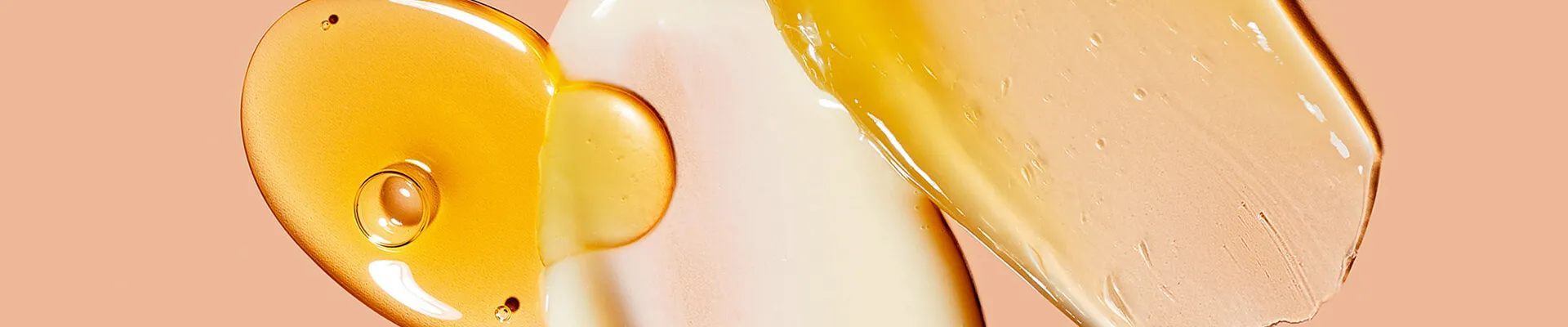
The texture I’d generally recommend for a serum or an ampoule is light and smooth and hydrating but not too sticky. A serum that feels a little viscous can feel more premium but should still absorb comfortably.
The texture of a cream should be suitable for the intended skin type. Oily or combo skin may do better with a gel cream, and dry or mature skin may do better with a richer cream. If the brand is targeting sensitive-looking or barrier-focused skincare, the cream should feel soft, comforting, and non-irritating.
The essence for sheet masks should be hydrating but not too watery. Consumers generally want a mask that leaves the skin feeling fresh, dewy and comfortable. This is where hyaluronic acid can help to support the sensorial experience of the product.
Texture testing is one of the most important steps in development of private label. I suggest trialing several versions before settling on a formula, because the best formula on paper is not always the best formula on skin.
Packaging is important for the consumer perception of the value of a PDRN + hyaluronic acid product. As this formula direction tends to be positioned as premium repair care, the packaging should not be too basic.

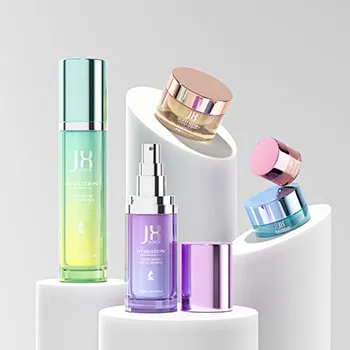
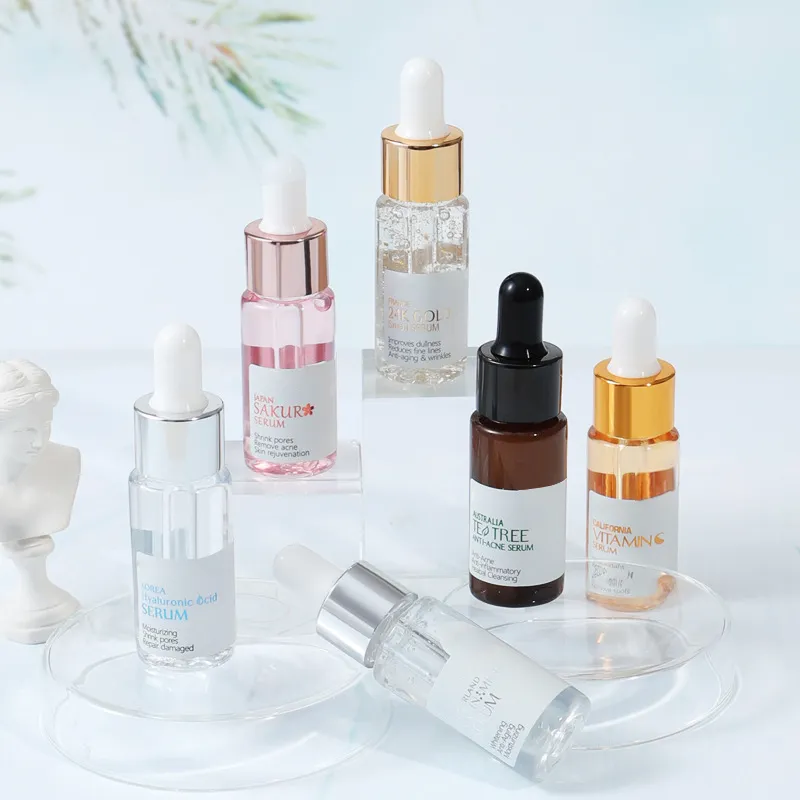
Serum or ampoule, glass dropper bottles, airless pump bottles, or ampoule-style packaging can work well in the PDRN category. These formats communicate a more sophisticated skincare image. The packaging could be clear, frosted, silver, soft pink, white or light blue depending on the brand’s direction.
For a PDRN cream, you can consider airless jars, premium jars, tubes or pump bottles. If a cream is marketed as offering barrier repair care, a clean and clinical design may be more appealing. If it is to be for K-beauty glow care, a softer, more luminous design would be more appropriate.
The packaging of the skincare set should be consistent for all the products. It’s important that a serum, cream and mask all use the same visual language so that the line feels complete and professional. This is especially important for brands that sell through Shopify, Amazon, salons, spas or distributors.
Packaging is another consideration that should be made early in the development process as it affects MOQ, cost, lead time, stability testing, filling compatibility, and final product presentation.
If you are a brand interested in developing a private label PDRN + hyaluronic acid product, my general recommendation is to start with a solid product brief. The more specific the product direction is, the easier it is for the producer to develop a suitable formula.
A good product brief should contain:
After the product brief is confirmed, the OEM/ODM development process typically includes formula discussion, sample development, packaging matching, stability review, label and carton design, bulk production, quality control, and shipment support.
For PDRN + hyaluronic acid products, sample testing is particularly important. The brand needs to check texture, absorption, skin feel, fragrance, appearance, compatibility with packaging and final presentation before moving into bulk production.
If the product is to be sold in markets such as the EU or UK, the brand may need to provide extra documentation and regulatory support as well. This is why it’s important to pick an experienced skincare manufacturer. A good skincare manufacturer can not only produce the product, but also help the brand think about formula direction, packaging, production feasibility and market needs.
PDRN and hyaluronic acid can be a powerful formula direction for skincare brands looking to create a premium hydrating repair line. PDRN adds a story of a modern repair-care to the product, while hyaluronic acid gives the formula a consumer-friendly aspect, by providing hydration, plumpness and a comfortable skin feel.
This combo can be great in serums, ampoules, creams, masks, eye care products and complete skincare sets. It works especially well for brands seeking K-beauty inspired skincare, sensitive-skin-positioned formulas, barrier support products and premium anti-aging care.
But a PDRN + hyaluronic acid product isn’t just about what’s on the ingredients list. All of formula texture, supporting ingredients, packaging, claims, testing and OEM/ODM development process matter.
If I were a brand interested in launching a PDRN skincare product, my advice would be to start with a clear product concept. If the type of product, target consumer, formula direction, packaging style and market requirements are clear, then it is much easier to develop a skincare product that looks professional, feels good on the skin and fits within the brand’s long-term product line.