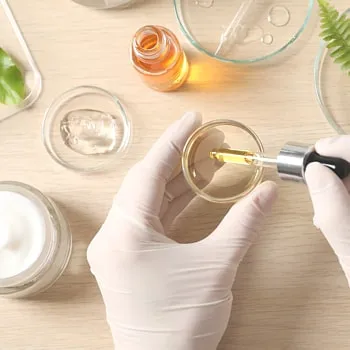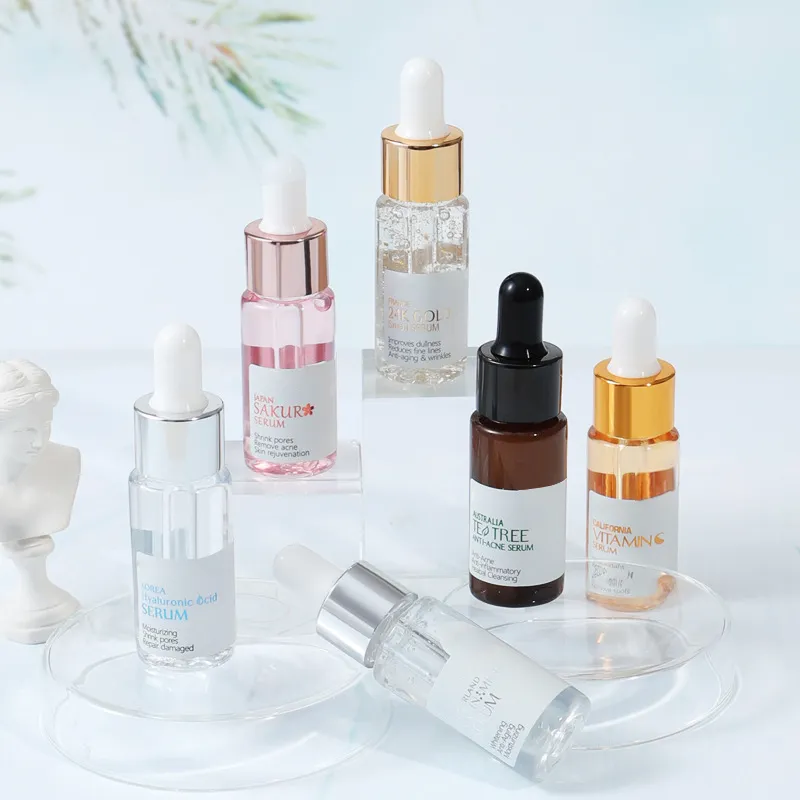
Rose water is commonly used as a facial mist, toner-like product, or ingredient in moisturizers and masks. It may provide a refreshing sensory experience and has shown antioxidant and anti-inflammatory potential in laboratory research. However, evidence for treating acne, eczema, wrinkles, or other skin conditions remains limited.
However, evidence from human clinical studies remains limited. Rose water has not been proven to treat acne, eczema, wrinkles, scars, pigmentation, or enlarged pores.
From a skincare formulation perspective, rose water is best understood as a fragrant botanical water that supports the sensory experience of a product—not as a complete moisturizer or medical treatment.

Rose water is usually produced during the steam or water distillation of rose flowers, commonly Rosa damascena. On cosmetic ingredient lists, it may appear as:
Rosa Damascena Flower Water
Rose water is different from rose essential oil, rosehip oil, rose extract, and synthetic rose fragrance.
Rose essential oil is highly concentrated, while rosehip oil is extracted from the fruit or seeds of certain rose species. These ingredients have different compositions, uses, and irritation risks.
Rose water is often used in facial mists because its lightweight texture can make the skin feel fresh after cleansing or during the day.
This effect is mostly temporary. Once the water evaporates, dry skin may still feel tight unless a moisturizer is applied afterward.
Rose water can be used as a water-based step before serum or moisturizer.
It does not hydrate the skin in the same way as a complete moisturizer. Moisturizers usually contain humectants, emollients, and ingredients that help reduce water loss.
A rose-water formula containing glycerin, betaine, or panthenol may provide more lasting comfort than pure rose distillate.
Rose-derived extracts have shown anti-inflammatory activity in laboratory studies. This suggests that rose ingredients may support products intended to refresh or comfort dry-feeling skin.
However, laboratory results do not prove that ordinary rose water can treat eczema, rosacea, dermatitis, or inflammatory acne.
The finished formula, rose-water concentration, additional ingredients, and individual skin response all affect the result.
Rose petals contain plant compounds with antioxidant activity. This is one reason rose ingredients are commonly used in skincare products positioned around environmental stress and healthy-looking skin.
The antioxidant activity of a concentrated rose extract cannot automatically be applied to every rose-water mist. Extraction method, concentration, storage, and formulation can all influence performance.
There is not enough evidence to consider rose water an acne treatment.
Some rose extracts have demonstrated anti-inflammatory or antimicrobial potential in experimental research, but rose extracts are not identical to ordinary rose hydrosol.
Rose water may be included in an acne-prone skincare routine when the complete formula is well tolerated. It should not replace proven acne treatments or professional dermatological advice.
Products containing alcohol, fragrance, essential oils, or multiple botanical extracts may irritate some acne-prone users.
Rose water can temporarily wet and refresh dry skin, but it cannot usually replace moisturizer.
For better results, use it before a moisturizer:
Cleanser → rose water → serum → moisturizer → sunscreen in the morning
Applying moisturizer while the skin is still slightly damp can help retain some of the recently applied water.
People with very dry or sensitive skin may prefer fragrance-free hydrating products because aromatic botanical ingredients can sometimes cause irritation.
Rose water does not permanently shrink pores.
A cool facial mist may temporarily make the skin feel tighter, and removing surface oil can make pores appear less noticeable for a short period.
Pore size and appearance are influenced by genetics, oil production, clogged material, skin elasticity, and sun exposure. Rose water has not been shown to permanently change pore structure.
After cleansing, mist a small amount over the face or apply it gently with clean hands. Follow with serum and moisturizer rather than allowing the skin to dry completely.
Rose water may also be used as a light daytime mist, but it does not replace moisturizer or sunscreen.
Avoid repeatedly saturating the face, especially in dry environments. Water evaporating from the skin may leave it feeling dry again.
Do not add rose water directly to an existing cream, serum, or mask. Adding extra water can dilute the product’s preservative system and increase contamination risk.
Rose water is tolerated by many people, but it is not automatically suitable for every sensitive skin type.
Rose-derived ingredients naturally contain aromatic components. Commercial products may also contain fragrance, alcohol, preservatives, essential oils, or other botanical extracts.
Possible reactions include:
Test a new product on a small area before applying it widely. Stop using it if persistent discomfort or visible irritation develops.
“Natural,” “botanical,” and “organic” do not guarantee that a cosmetic product will be non-irritating.
Commercial rose-water products should be developed with controlled raw materials, microbiological specifications, suitable preservation, stability testing, and appropriate packaging.
Homemade rose water made by soaking or boiling flower petals is less predictable. It may become contaminated because it contains water but does not have a validated preservative system.
Refrigeration does not guarantee that a homemade product remains safe. Discard it if its odor, color, clarity, or texture changes.
From a manufacturer’s perspective, genuine rose hydrosol, homemade flower water, and water mixed with rose fragrance should not be treated as the same ingredient.
The most realistic uses of rose water for skin are refreshing the face, adding a lightweight water-based step, and supporting the sensory experience of a skincare product.
Rose-derived ingredients have shown antioxidant and anti-inflammatory potential in experimental research, but evidence does not establish rose water as a treatment for acne, eczema, wrinkles, scars, pigmentation, or enlarged pores.
Use it before moisturizer, judge the complete product rather than the hero ingredient alone, and stop using it if persistent irritation develops.