When a brand asks me which ingredients it should use in a shampoo, I usually do not start with a long ingredient list.
I start with a more practical question:
What kind of shampoo do you want to launch?
That question matters because a strong shampoo product is rarely built by adding every popular ingredient into one formula. It is built around a clear product concept.
A moisturizing shampoo needs a different ingredient direction from a scalp care shampoo. A repair shampoo is not the same as a sulfate-free daily shampoo. A hair growth-positioned shampoo also needs a different story, texture, and customer expectation.
For private label hair care brands, shampoo ingredients should support three things at the same time:
In this guide, I will break down practical shampoo ingredient directions for 2026 and explain how brands can use them when developing private label, OEM, or custom shampoo formulas.
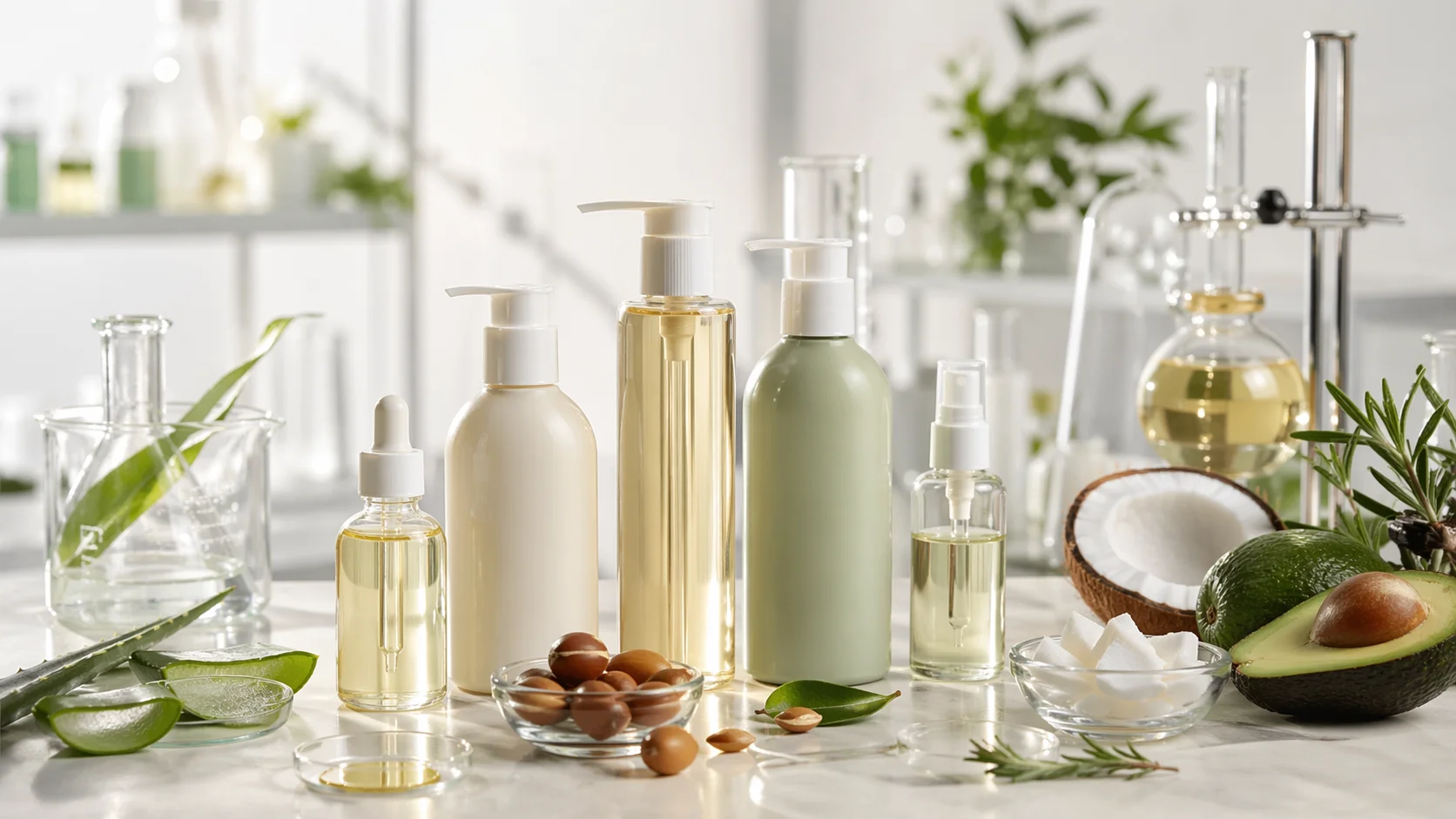
For many new hair care brands, shampoo development starts with ingredient inspiration.
A brand may want argan oil because it sounds premium. Another may want rosemary because it is popular in hair growth content. Some brands ask for sulfate-free formulas because their market prefers gentle cleansing. Others want niacinamide or zinc PCA for scalp care positioning.
These choices can all make sense.
But the key is not whether an ingredient is popular. The key is whether it fits the product concept.
For example, a shampoo for dry hair may need moisturizing agents, conditioning support, and a soft after-wash feel. A shampoo for oily scalp may need a lighter texture, balancing ingredients, and a fresh cleansing experience. A repair shampoo may need proteins, amino acids, and smoothing ingredients that help support a stronger product story.
That is why private label shampoo development should not only focus on “good ingredients.” It should focus on:
ingredient direction + formula performance + brand positioning.
A clear product concept also makes the shampoo easier to explain, easier to sample, and easier to sell in a competitive hair care market.
| Shampoo Concept | Ingredient Direction | Best For |
|---|---|---|
| Moisturizing Shampoo | Panthenol, glycerin, aloe vera, coconut oil, hyaluronic acid | Dry, rough, or dull-feeling hair |
| Repair Shampoo | Hydrolyzed keratin, amino acids, argan oil, wheat protein | Damaged, processed, or weak-feeling hair |
| Scalp Care Shampoo | Niacinamide, zinc PCA, tea tree, salicylic acid, peppermint extract | Oily scalp, buildup, scalp comfort |
| Sulfate-Free Shampoo | Coco-glucoside, decyl glucoside, SCI, amino acid surfactants | Gentle daily cleansing |
| Hair Growth Shampoo | Rosemary extract, caffeine, biotin, ginger extract, panthenol | Fuller-looking hair positioning |
| Clarifying Shampoo | Salicylic acid, tea tree, charcoal, apple cider vinegar | Oil control and product buildup |
| Sensitive Scalp Shampoo | Allantoin, oat extract, chamomile extract, panthenol | Mild cleansing and comfort-focused formulas |
Moisturizing and repair shampoos are two of the most common directions for private label hair care brands.
They are suitable for dry hair, rough hair, frizz-prone hair, damaged hair, color-treated hair, and daily nourishment positioning.
For moisturizing shampoo formulas, common ingredient directions include:

Panthenol is often used in moisturizing hair care formulas because it supports a smoother and more hydrated hair feel. Glycerin and betaine help strengthen the formula’s moisturizing story. Aloe vera gives the shampoo a gentle and refreshing positioning.
For repair shampoo formulas, brands often consider:
Hydrolyzed proteins are commonly used in repair-positioned shampoos because they support a stronger hair care story. Amino acids can also work well in formulas designed for smoother and more manageable hair.
Argan oil is especially useful for premium repair and smoothing shampoo concepts. It is easy for customers to understand and works well in both salon-style and private label hair care lines.
A good formula direction could be:
Repair and Smoothness Shampoo
A shampoo concept using hydrolyzed keratin, amino acids, and argan oil for damaged, rough, or processed hair positioning.
For brands, the important point is not to overload the formula. A moisturizing or repair shampoo should have a clear hero direction instead of too many unrelated ingredients.aired with a clear market direction such as nourishment, softness, shine, or comfort.
Scalp care is one of the strongest hair care directions for 2026.
Many consumers now understand that healthy-looking hair starts with the scalp. This has created more demand for shampoos focused on oil control, scalp freshness, buildup removal, and scalp comfort.
Common scalp care ingredient directions include:
Niacinamide is a strong ingredient for modern scalp care positioning. It is already familiar to skincare consumers, so it can make a shampoo formula feel more advanced and skincare-inspired.

Zinc PCA is often used in oil-control and scalp-balancing concepts. Salicylic acid can support clarifying and buildup-removal positioning. Tea tree, peppermint, rosemary, and ginger extracts can help build a fresh botanical scalp care story.
A good product direction could be:
Scalp Balance Shampoo
A shampoo concept built around niacinamide, zinc PCA, tea tree extract, and a gentle cleansing base for oily scalp and freshness positioning.
For private label brands, scalp care shampoo can be a strong entry point because it feels more functional than a basic daily shampoo. It also gives the brand more room to build educational content, product bundles, and repeat purchase logic.
Sulfate-free shampoo remains an important direction for many hair care brands.
This does not mean sulfate-free formulas are always better for every market. But from a branding and consumer perception point of view, sulfate-free shampoo is still widely associated with mildness, daily use, color-treated hair, and gentle cleansing.
Common mild surfactant directions include:

Some sulfate-free shampoos feel too flat if the surfactant system is not designed well. Others may cleanse well but leave the hair too dry. This is why surfactant selection is one of the most important parts of shampoo formulation.
A good formula direction could be:
Sulfate-Free Daily Care Shampoo
A mild cleansing shampoo using glucoside-based or amino acid surfactants, supported by panthenol and botanical extracts for daily-use positioning.
For sensitive scalp shampoo, brands can also consider ingredients such as allantoin, oat extract, chamomile extract, aloe vera, and low-fragrance or fragrance-free systems.
This type of shampoo works well for brands targeting clean beauty, sensitive scalp, family-friendly care, or natural-inspired hair care markets.
Hair growth shampoo is a popular category, but brands need to handle this direction carefully.
In many markets, direct hair growth claims may involve regulatory concerns. So private label brands often position these products around fuller-looking hair, scalp care, hair strength, or hair density support instead of making strong medical claims.
Common ingredient directions include:

Rosemary has become especially popular in hair care because it is easy to connect with natural scalp care and fuller-looking hair positioning. Caffeine is also commonly used in energizing scalp care concepts. Biotin is familiar to many consumers and works well in marketing language when used as part of a broader formula story.
A good product direction could be:
Fuller-Looking Hair Shampoo
A scalp-focused shampoo concept using rosemary extract, caffeine, biotin, and panthenol for stronger-looking, fuller-looking hair positioning.
For brands, this type of shampoo usually performs better when it is part of a routine. It can be paired with a scalp serum, hair tonic, conditioner, or hair mask to create a more complete hair care line.
Before choosing ingredients, a brand should first decide the shampoo’s formula direction.
Here are a few useful questions:
Who is the shampoo for?
Dry hair, oily scalp, damaged hair, sensitive scalp, color-treated hair, or general daily use?
What is the main product benefit?
Moisturizing, repair, scalp balance, clarifying, smoothing, gentle cleansing, or fuller-looking hair support?
What texture and wash feel does the market prefer?
Rich foam, gentle foam, creamy texture, clear gel texture, lightweight rinse-off, or salon-style feel?
What product line will it belong to?
Single shampoo, shampoo and conditioner set, hair growth routine, scalp care range, or full private label hair care collection?
What claims are suitable for the target market?
Some markets allow certain cosmetic claims, while others require more careful wording.
When these questions are clear, ingredient selection becomes much easier.
For example, a brand targeting oily scalp does not need to build its shampoo around heavy oils. A brand targeting damaged hair should not only focus on botanical extracts. A brand targeting sensitive scalp should avoid overly strong fragrance and harsh cleansing systems.
Good shampoo development is not about using the most ingredients. It is about choosing the right ingredients for the right product story.
Not every important shampoo ingredient needs to be the star of the front label. Some of the most valuable ingredients are the ones that quietly improve the overall user experience behind the scenes.
These support ingredients often influence softness, hydration feel, manageability, combability, and the overall sensory performance of the product.

A lot of average shampoos do not fail because the hero ingredient is wrong. They fail because the system around it is not built strongly enough. Good shampoo development usually comes from building the whole structure well, not simply choosing an attractive ingredient for the front of the bottle.
One common mistake is choosing ingredients one by one without building a clear formula concept.
For example, a brand may ask for biotin, argan oil, rosemary, keratin, niacinamide, caffeine, aloe vera, and tea tree all in one shampoo. Each ingredient may sound good, but together they can make the product story confusing.
A shampoo should have one clear main direction.
Too many ingredients can also increase cost, make claims harder to manage, and weaken the marketing message.
A clear product concept is usually more powerful than a crowded ingredient list.
At Xiran, we help brands turn shampoo ideas into practical private label and custom hair care products.
Some clients come to us with a clear formula direction. Others only have a product idea, target market, or reference product. In both cases, we can help develop a shampoo concept that fits the brand’s positioning.

Our support can include:
For private label brands, the goal is not only to create a shampoo that looks good on a product page. The goal is to create a formula concept that customers can understand, trust, and repurchase.
Whether your brand wants to develop a moisturizing shampoo, hair growth shampoo, scalp care shampoo, sulfate-free shampoo, repair shampoo, or a full hair care line, we can help match the formula, packaging, and product story with your target market.
The best shampoo ingredients for 2026 are not just the most popular ingredients.
They are the ingredients that help a brand build a clear, useful, and marketable product concept.
For private label hair care brands, the strongest shampoo formulas usually start with one clear direction:
Once the direction is clear, ingredients can be selected with more purpose.
A good shampoo formula should cleanse well, feel good during use, rinse cleanly, match the brand’s positioning, and give customers a reason to buy again.
If you are planning to develop a private label shampoo product, start with the product concept first. The ingredients should support that concept, not replace it.
A high-performance shampoo usually combines the right cleansing base with ingredients that support a clear formula goal. These may include oils such as argan oil or coconut oil, repair ingredients such as hydrolyzed keratin, scalp care actives such as niacinamide or salicylic acid, and mild sulfate-free surfactants such as coco-glucoside or decyl glucoside.
Some of the most common ingredients used in sulfate-free shampoos include coco-glucoside, decyl glucoside, sodium cocoyl isethionate, sodium lauroyl methyl isethionate, aloe vera, panthenol, and conditioning support ingredients. The right combination depends on the product’s texture, cleansing feel, and target market.
For damaged hair, brands often look at ingredients such as hydrolyzed keratin, hydrolyzed wheat protein, silk amino acids, argan oil, panthenol, and conditioning polymers. These ingredients are often used in formulas positioned around smoothness, repair, and improved hair feel.
Scalp care shampoos often use ingredients such as niacinamide, zinc PCA, salicylic acid, caffeine, tea tree extract, peppermint extract, and panthenol. These ingredients can support concepts related to scalp balance, comfort, freshness, and anti-buildup care.
The best way to choose shampoo ingredients is to start with the product direction rather than the ingredient trend alone. A brand should first define whether the shampoo is meant for moisture, repair, scalp care, clarifying, color care, or sulfate-free daily use. From there, the ingredient system can be built to match the formula goal and the target market.
OEM shampoo development usually refers to manufacturing based on an existing formula or a more defined concept provided by the brand. ODM shampoo development typically includes broader support with formula development, concept refinement, and sometimes packaging or product planning as part of the process.