When I started looking for a trustworthy skincare manufacturer in the Philippines, one thing stood out: the country has quietly built a strong OEM and private label ecosystem that is great for startups, indie brands, and international companies that want flexibility, lower minimum order quantities, and production that meets FDA standards.
The Philippines is no longer just a place to make things in the region. Now, many local factories offer full-service private label skincare, which includes making the products, testing their stability, customizing the packaging, and making export documents for the US, EU, and other global markets.
Based on their ability to make things, how customizable they are, how ready they are to follow the rules, and their overall reputation in the industry, I've put together a list of the Top 10 private label skincare manufacturers in the Philippines.

Vibelle is one of the oldest skincare companies in the Philippines, having been making cosmetics and personal care products for decades. Their ability to scale up production is what makes them great for both new brands and big orders.

They make cleansers, toners, creams, lotions, serums, sunscreens, and treatment products that are based on what dermatologists say. Vibelle's products often focus on keeping skin moist, controlling acne, whitening skin, and caring for sensitive skin. These are all things that people in Southeast Asia and the West want.
Best for: Mid-sized brands, pharmacy brands, and companies that want to work with OEMs for a long time with strong regulatory support.
Z Lab is a science-based skincare company in the Philippines that puts a lot of emphasis on research and development and making products that are unique to each customer. They work closely with brand owners during the product development stage, which makes them great for founders who want unique formulas instead of just stock products.

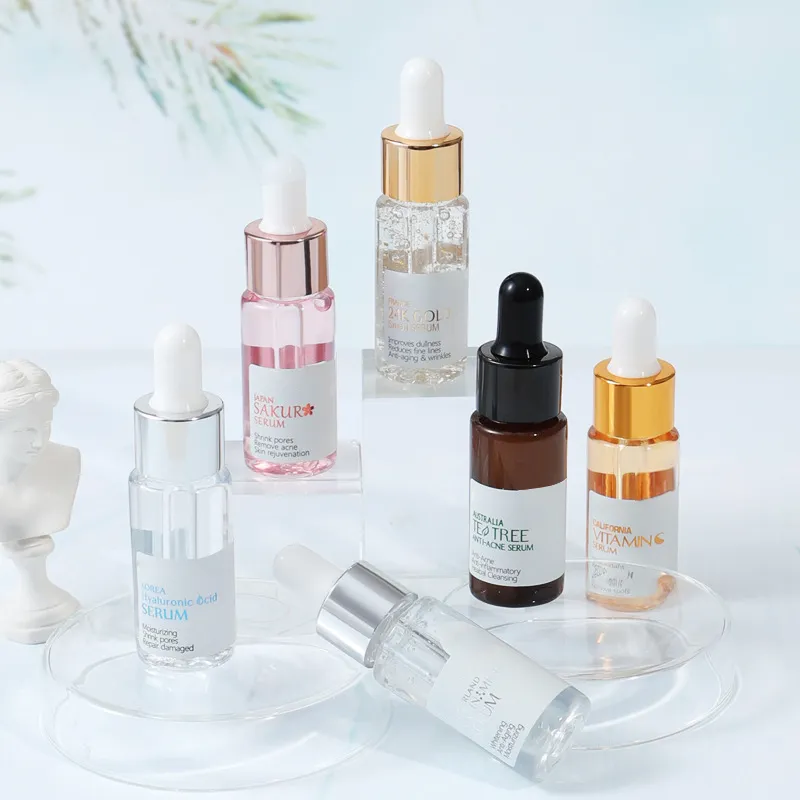
They can make serums, ampoules, emulsions, gels, masks, and skincare products that work like cosmetics to fight aging, brighten skin, repair barriers, and control oil.
Best for: brands that are inspired by dermatology, clinical skincare lines, and international brands that want to stand out by using different formulas.
People know Chef RLU Beauty Products for being flexible and friendly to new businesses. As a private label skincare manufacturer in the Philippines, they help brands from the beginning to the end, including making the products, finding the right packaging, and giving advice on branding.

They make face creams, body lotions, scrubs, facial washes, and skin care products that can be used for more than one thing. Their fast turnaround times and low minimum order quantities (MOQs) make them appealing to new brand owners.
Best for: New beauty brands, indie beauty brands, and DTC sellers who want to try out new skin care ideas.
O.L.C. Cosmetics Manufacturing is mostly about making custom OEM and ODM skincare products. They are registered with the FDA in the Philippines and help with compliance paperwork, which is very important for markets outside the Philippines.

They sell a wide range of skincare products, including serums, toners, creams, masks, and face cleansers. They also have problem-solving skincare products like anti-acne, soothing, moisturizing, and brightening formulas.
Best for: Brands that want to make things that are compliant and ready for export, but also want to be able to change the formula.
Refinette is a well-known skincare company in the Philippines that puts a lot of emphasis on quality control and consistency. They work with clients from all over the world and offer OEM/ODM services in the areas of skincare and personal care.

They make a wide range of products, such as creams, lotions, facial washes, toners, serums, and specialized treatment products. Refinette is often chosen because it makes stable formulations and production quality that can be repeated.
Best for: Brands that value stable manufacturing and reliable long-term supply.
A.M. Rieta Corporation is a multi-category manufacturer with strong OEM capabilities in skincare. They help with formulation development, private labeling, and packaging, making them a great choice for brands that need a practical, cost-effective manufacturing partner.

They sell facial cleansers, lotions, creams, and other daily-use skincare products that are good for your skin.
Best for: Brands and businesses that want to offer functional skincare lines and are focused on getting the best value.
Nova Cosmetica PH is all about the latest trends in skincare and making things your own. As a private label skincare manufacturer in the Philippines, they help brands with choosing ingredients, making changes to formulations, and coordinating packaging.

They make serums, creams, gels, facial washes, and other targeted skin care products that focus on hydration, glow, acne care, and supporting the skin barrier.
Best for: Brands that use social media to market themselves and new skincare companies that are focused on trends.
Kinis Linis Atbp works for Derigin Industries and has a lot of experience making personal care and skincare products. They focus on making clean, functional formulas that can be sold to a lot of people.

They make skin care products for the face and body that focus on cleaning, moisturizing, and protecting the skin.
Best for: Brands and distributors that focus on retail and serve supermarkets and pharmacies.
Under Latitude Cosmetics, Arkana Cosmetics Manufacturing makes private label skin care products with a focus on helping with branding and making sure the products are ready for export. They handle everything from making the product to coordinating the packaging.

They can make creams, lotions, serums, and skincare lines that focus on treating skin problems.
Best for: Global brands looking for a place to make their products in the Philippines with help with branding and packaging.
The Philippines is a great place to make skincare products that are flexible and cheap, but many international brands also work with cosmetics manufacturers in China, Thailand, Indonesia, and Malaysia for different strategic reasons.
When you think about things like formulations, raw materials, minimum order quantities, pricing, and the supply chain, China stands out because it has advanced formulation development capabilities, the ability to make things on a large scale, and a supply chain that is very well integrated. Chinese skincare companies are known for taking care of everything in a full ecosystem, from making custom formulas and finding raw materials to designing packaging, making molds, testing products, and making sure they meet international standards.
Brands that want to sell in regulated markets like the EU, the US, and the Middle East should work with Chinese cosmetics factories because they usually have ISO, GMP, Halal, and other international compliance certifications.
The 9 Philippine skincare manufacturers mentioned above all have a certain reputation in the skincare manufacturing field and can generally meet your project needs. If none of the above manufacturers are suitable, don't worry, you still have other options.
In Asia, Chinese skincare manufacturers offer lower minimum order quantities, a wider selection of raw materials, and a complete supply chain with experienced packaging services. China has become a leader in the global skincare manufacturing industry.
Most Philippine manufacturers offer low MOQs, flexible customization, FDA compliance, and cost-efficient labor, making them ideal for private label skincare brands.
Yes. Many factories assist with documentation and compliance for markets like the US, EU, Australia, and the Middle East.
Most listed companies provide OEM and ODM services, including ingredient selection, formula adjustments, and performance targeting.
Common products include facial cleansers, toners, serums, creams, lotions, masks, and treatment-focused skincare.
For brands prioritizing flexibility, cost control, and scalability, the Philippines is a strong long-term manufacturing option.
Most listed companies provide OEM and ODM services, including ingredient selection, formula adjustments, and performance targeting.