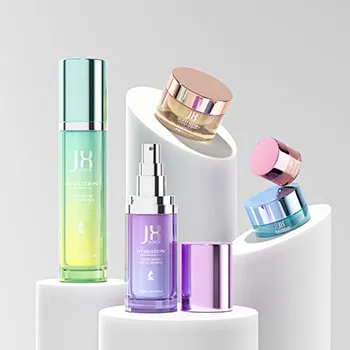
Serums are the heavy hitters in the world of skincare that is always changing. These lightweight, powerful formulas give your skin hydration, brightness, or anti-aging effects without making it feel heavy. For brands that want to find their place in the market, working with a trustworthy private label manufacturer can be a game-changer.

You can put your logo on high-quality products without having to start from scratch. These manufacturers make serums that fit with clean beauty trends, use natural ingredients, and meet consumer demand for effectiveness, whether you're a startup with big dreams or an established line that wants to add more products. Let's take a look at the landscape, from market insights to advice on how to choose the right partner, and highlight ten players who stand out.
The serum market is doing very well, thanks to smart consumers who want personalized routines that work. After the pandemic, there has been a rise in at-home spa vibes. People are spending more on multifunctional products that promise quick wins for stressed-out skin. Straits Research says that the global facial serum market was worth USD 5.86 billion in 2024 and is expected to grow to USD 6.24 billion in 2025. If it keeps growing at a rate of about 5.8% per year, it will be worth USD 10.32 billion by 2033.
This increase isn't just a fad; it's happening because more people are becoming aware of how important skin health is, K-beauty is becoming more popular, and people are looking for more eco-friendly, vegan options. In places like Asia-Pacific and North America, serums are selling better than other types of products. This is because it's easy to buy them online and because of the buzz on social media, like TikTok tutorials that get millions of views. Now is the time to get into private label production because manufacturers are making more eco-friendly products to meet these needs.

Proven Track Record & Expertise
Look for at least 10+ years in the industry, with specific experience in serum formulation (serums demand rigorous stability testing to keep actives potent and effective).
Non-Negotiable Certifications
Must have GMP, ISO 22716, FDA registration (or equivalent), and preferably third-party audits. These are essential for safety, quality consistency, and legal compliance.
Strong Customization Capabilities
Can they tailor formulas to your exact needs? For example:
Flexible Minimum Order Quantities (MOQ)
Commitment to Sustainability & Ethics
Reliable Lead Times & Responsive Support
By treating these points as your core evaluation criteria, you’ll find a manufacturer that truly elevates your brand instead of just filling bottles.
Since 2009, TY Cosmetic has been based in Guangzhou and has grown into a powerhouse, making more than 160 million skincare units a year for over 2,000 brands around the world. They make OEM serums that mix Eastern plants with cutting-edge actives. These are great for lines that want to sell to the Asian market.

Their edge is that they offer seamless end-to-end services. For example, they can make custom formulations with stable, high-potency ingredients like vitamin C derivatives that don't oxidize easily, and they can also make custom airless pumps to keep serums fresh. All of this is at a price that keeps minimum order quantities (MOQs) low, starting at 300 units. Also, their eco-friendly push includes recyclable glass options and production lines that don't waste any materials. This makes them a great choice for sustainable private labels.
Website: https://www.tyoemcosmetic.com/
Vitelle Labs has been making clinical-grade serums for spas and clinics in Vancouver since 1997. They focus on combining plant-based actives with cosmeceuticals to get real dermatologist-backed results. They want to give professionals serums that can help with everything from fine lines to hyperpigmentation.

Their in-house chemist team makes ultra-stable emulsions that last for more than 24 months without separating, which is perfect for high-end serums. They also offer flexible private labeling with holographic seals for a luxurious feel. They do well with small batches (minimum order quantity of 250) and can mix in devices like LED-infused serums. Their carbon-neutral facility is also appealing to brands that care about the environment.
Trilogy has been based in Fort Myers, Florida, since 2014. They make small-batch artisanal serums using certified organic extracts and essential oils. They also work with skincare academies to make sure that their anti-wrinkle and post-treatment formulas work like they should.

What are their strengths? Hyper-customization, such as adding rare Hawaiian botanicals to serums for an exotic look, along with a full range of services from lab testing to label design. They process up to 10,000 units a month with FDA-compliant transparency. Their natural focus means paraben-free stability that rivals big pharma, which is great for indie brands trying to build trust.
Lady Burd has been a family-run business in Farmingdale, New York, since 1960. They make a wide range of serums for spas and salons, from hydrating hyaluronic blends to retinol-reviving night treatments, all of which are designed for bulk private label sales.

They deliver with over 50 years of experience in making formulas, and they have over 500 stock serums that can be rebranded in weeks. They also offer custom changes like peptide boosts for firmness. They have low minimum order quantities (100 units) and can ship anywhere in the country, making it easy to grow your business. Their cruelty-free philosophy even includes vegan capsules that help serum absorption.
RainShadow has been based in Oregon since 1983 and makes organic, vegan serums for the body and face using wild-harvested plants. They make everything from calming chamomile elixirs to brightening berry extracts for eco-friendly brands.

The real draw is that they can make a million units a month without sacrificing quality. For example, GMP labs make sure that serums are pH-perfect and gentle on sensitive skin. They offer ready-to-use packaging like bamboo droppers and put a lot of emphasis on being open about where their ingredients come from. This helps brands tell their "clean" story in an honest way.
Bo International, which started in Gurugram in 2013, has a huge 40,000-square-foot facility that makes more than 2,500 serum variations for more than 15 countries. They mix Ayurvedic herbs with modern technology to make drops that purify and fight aging.

Their ISO-certified speed has many benefits: they can make prototypes in 7–10 days, and actives like turmeric-curcumin can last for 18 months. They are affordable for startups (minimum order quantity of 500) and are great at making small changes that are good for the environment, like PCR plastics and global logistics. This makes it easy to launch products in other countries.
COSMAX has been a big name in Seoul since 1992. It uses AI-driven research and development to make essences and ampoules that balance the microbiome and capture K-beauty's glassy-skin magic.

What are they good at? Fermentation technology for bioavailable actives that go deeper, with Halal/Vegan certifications and quick prototyping (2 weeks). They have facilities all over the world and can handle huge amounts of work while also offering small-batch trials, which are great for brands that want to stay on top of trends.
Kolmar, a pharmaceutical company based in Seoul since 1990, makes the best derma-serums for anti-aging and sun protection. Clinical trials make sure that they are safe for people with sensitive skin.

Personalized ODM serums made with genetic matching technology and compliance with GMP and FDA rules for easy entry into the US are two of the best things about these products. They love safety—patch-tested formulas—and flexible MOQs (1,000 units) with English-speaking teams that make working together easy.
Intercos in Milan has been making sensory serums for Dior-level luxury since 1972. They focus on elegant textures with eco-friendly features like refillable vials for high-end private labels.

They do amazing things with global operations (from the US to China) to make quick-turn serums with rare actives like caviar extracts, all of which are ECOCERT-approved. New finishes, like silky and gel-like, and a strong supply chain make sure that deliveries are always on time, even for niche vegan lines.
Fareva has been a French powerhouse since 1990. They make organic serum emulsions for L'Oréal partners, using their knowledge of herbs to make lavender blends that calm or rosehip blends that firm in Euro-compliant facilities.

Key benefits: ECOCERT/GMP standards for natural stability (up to 36 months), custom herbal infusions, and pumps that can be recycled to make less waste. They support small runs (minimum order quantity of 2,000) and ship all over the EU, making them a great choice for brands looking for clean luxury.
These ten companies show how different private label serum manufacturers can be. They range from North American naturalists to Korean innovators and European artisans, and they all have the tools to help your brand stand out in a market that's only getting hotter. There is a fit here for you whether you want something cheap, cutting-edge technology, or something that is good for the environment.

If you're looking for a partner with a lot of experience in Asian formulations and the ability to quickly adapt to different markets, I can't recommend Guangzhou Xiran Cosmetics Co., Ltd. highly enough. They are based in Guangzhou, China, and have mastered serum lines that mix traditional Chinese herbs with modern actives. They offer low minimum order quantities (MOQs), quick prototyping, and full ODM support to help you launch your private label quickly. They are a smart, scalable choice for ambitious beauty entrepreneurs because they are committed to quality (they are ISO/GMP certified) and follow trends like fermented essences.