When we talk about a fabric softener maker, we usually only talk about things like the price per unit, the strength of the scent, or the packaging options. Making fabric softener is actually a lot more complicated than that. The right manufacturer can make or break a product by deciding whether it has surfactant systems, fragrance encapsulation, skin safety, and environmental compliance.
Based on our work with personal care and household brands, we know that the best manufacturers are more than just suppliers. They help brands figure out what consumers want in terms of performance, rules, and the growing demand for gentler, more eco-friendly laundry products.

We chose 10 fabric softener makers from around the world that always show strong OEM and private label skills, reliable quality systems, and long-term partnership value.
| Manufacturer | Private Label / OEM | Compliance & Certifications | Typical Brand Fit |
|---|---|---|---|
| Formula Corp | ✔️ | GMP, FDA-aligned | Retail & institutional brands |
| Liang Guam | ✔️ | Export-compliant | Importers & distributors |
| Layan for Chemicals | ✔️ | Regional standards | Value-focused brands |
| Vipack B.V. | ✔️ | EU compliance | European retailers |
| National Detergent Co. (NDC) | ✔️ | Multi-market compliance | Large-scale consumer brands |
| SPB Global | ✔️ | Global OEM standards | Innovation-led brands |
| Fragrance Science | ✔️ | GMP-based | Premium scent-driven brands |
| Tintolav s.r.l. | ✔️ | EU professional standards | Commercial laundries |
| Xiran Skincare | ✔️ | GMP-based | Gentle & cross-category brands |
| Umendra Exports | ✔️ | Export standards | Cost-sensitive markets |
One of the most well-known names in the business of making household goods is Formula Corp. They make fabric softeners that are consistent, scalable, and compliant with regulations, which makes them a great choice for retail and institutional brands.

What a fabric softener can do:
Strengths and Services:
Best for: Retail brands, wholesalers, and laundry service providers for businesses.
Liang Guam makes private label household goods and is very flexible for clients from other countries. Their fabric softener programs can change both the way they are made and the way they are packaged.

What Fabric Softener Can Do:
Strengths and Services:
Best For: Importers, regional brands, and distributors of private labels.
Layan for Chemicals makes fabric softeners that are affordable and work well for the Middle East and nearby markets.

What Fabric Softener Can Do:
Services & Strengths:
Best For: Brands that care about value and laundry product lines in a specific area.
Vipack B.V. is known for making private label products that meet European standards. They are also putting more and more emphasis on sustainability and new packaging ideas.

What Fabric Softener Can Do:
Services and strengths:
Best For: European stores and brands that care about the environment.
NDC has been making household goods for a long time and has strong brand and OEM operations in many markets.

What Fabric Softener Can Do:
Services and Strengths:
Best For: Brands that sell to a lot of people and international distributors.
SPB stands out because it offers both traditional liquid fabric softeners and more advanced delivery formats, like unit-dose systems.

What Fabric Softener Can Do:
Services and Strengths:
Best For: Laundry products that are new and focus on convenience.
Fragrance Science focuses on how scents work and how they make you feel, which gives them a big edge over other companies that make fabric softeners.

What Fabric Softener Can Do:
Services & Strengths:
Best for: high-end and fragrance-based laundry brands.
Tintolav focuses on professional and industrial laundry applications, offering technically robust fabric softener solutions.

Fabric Softener Capabilities:
Strengths and Services:
Best for: hotels, commercial laundries, and industrial clients.
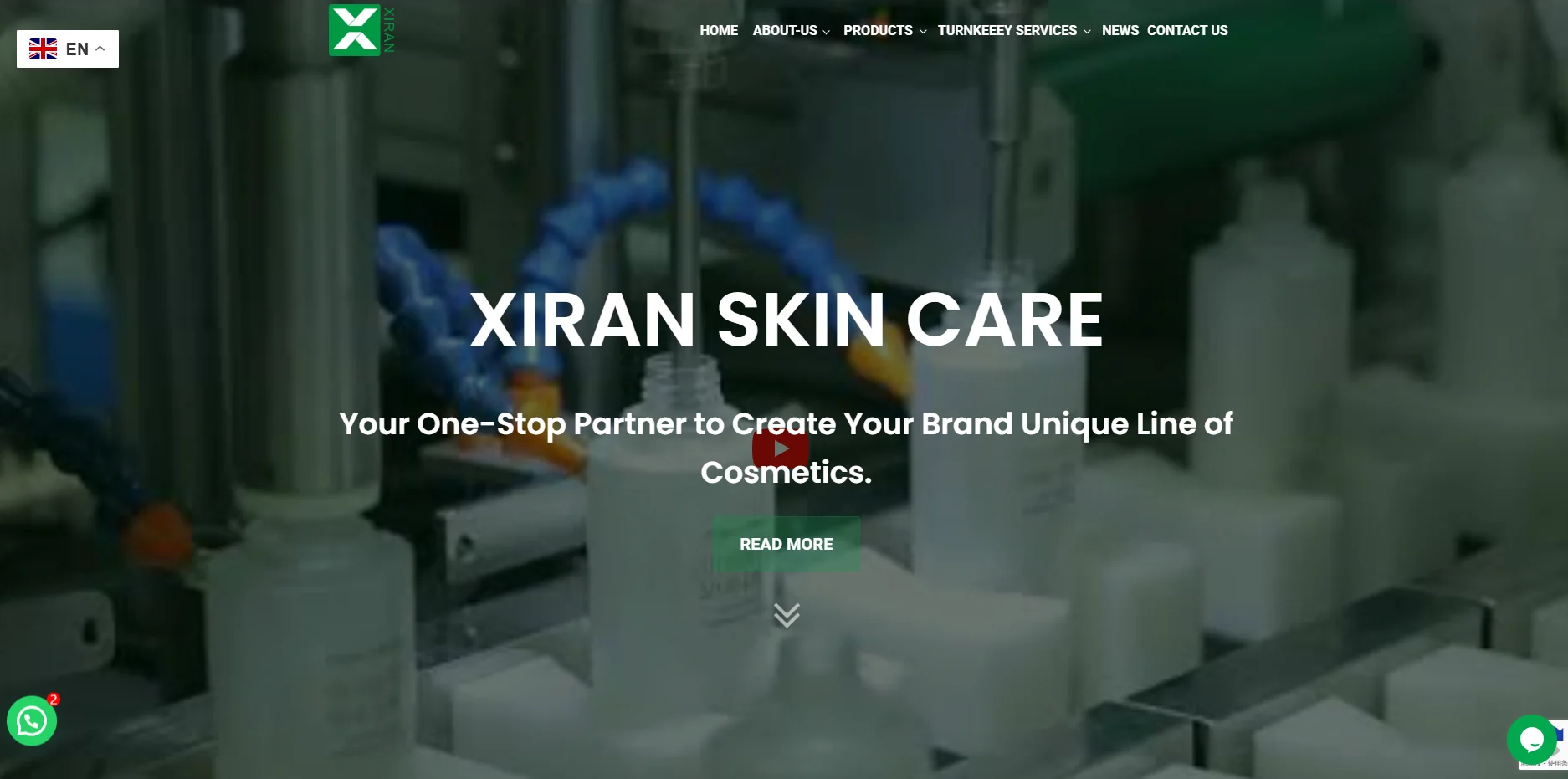
Xiran Skincare is best known for personal care, but they also make household liquids as an OEM. They use cosmetic-grade quality control to make fabric softener.
What fabric softener can do:
Services and Strengths:
Best for: Brands that want to market fabric softeners as safe for families or gentle.
Umendra Exports makes fabric softeners and other household care products at prices that are competitive with other companies. They focus on markets outside of India.

What Fabric Softener Can Do:
Services and Strengths:
Best For: Importers of private labels and markets that care about price.
The global fabric softener market keeps growing steadily. This is because people want more convenience, new scents, and better fabric care.
Some important trends are:
According to Grand View Research, the global fabric softener market is projected to grow at a steady CAGR through 2030.
Based on what we've learned, there are five main things to think about when picking the right fabric softener maker:
It's much more important to match your brand goals with the manufacturer's strengths than to try to get the lowest price per unit.
In conclusion, the fabric softener makers on this list have a wide range of skills, from making a lot of retail products to making high-end, fragrance-led products and professional-grade formulations.
It's not just about the price when you choose a partner; you also need to think about their formulation knowledge, reliability, and ability to work together for a long time. Working with an experienced fabric softener manufacturer is a smart way for brands to invest in their long-term success if they want to make laundry care products that are good for the environment and can compete with others.
It varies widely. Large industrial plants usually require a full container load (approx. 10,000+ units), while agile manufacturers in China or boutique labs in Italy may accept orders as low as 1,000 to 2,000 units.
Ask your manufacturer for "Readily Biodegradable" surfactants (like Esterquats) and inquire about phosphate-free and dye-free formulations.
High-quality conditioners act like a "hair conditioner" for clothes. They lubricate fibers to prevent friction during the wash cycle, which reduces pilling, color fading, and stretching. Manufacturers are now branding these as "Fabric Milks" or "Textile Serums" to appeal to the longevity-focused consumer.
Standard softeners often contain dyes and strong perfumes that trigger eczema or rashes. The current market is shifting toward "pH-Balanced" and "Isothiazolinone-free" formulas. If your brand targets this niche, the focus must be on 100% transparency of the "Fragrance" component.
Yes. In 2026, logistics cost-optimization is as important as the formula itself. Ultra-concentrates use significantly less water, meaning smaller bottles, less shelf space, and lower carbon taxes. However, it requires precision filling tech to ensure the formula doesn't "gel" or separate over time.