If I were starting a skincare line and wanted to make it in Southeast Asia, Malaysia would be one of the first places I would look at.
Not just the price makes Malaysia appealing to me. The fact that this market has GMP manufacturing, halal relevance, private label flexibility, and business logic that makes it easy to export makes it very valuable for beauty brands.
I also like that the Malaysian skincare manufacturing industry isn't just one thing. Some factories are better for quick private label launches, some are better for making custom skincare, and a few look strong enough to handle bigger brand programs with many SKUs.
If your brand is looking for private label, OEM, or ODM skincare production, I've put together a list of 10 Malaysian skincare manufacturers that I think are worth looking into.

Sky Resources would be one of my top picks for an OEM/ODM partner with strong ties to Malaysia and a wide range of products.
The company stands out because it openly calls itself a Halal-certified skincare OEM manufacturer in Malaysia and says it is a one-stop shop for OEM, ODM, and private label services.
The company also talks about its more than 30 years of experience in the industry, which includes working in skincare, colour cosmetics, personal care, hair care, oral care, and caring for babies and toddlers.

This wide range of products is especially useful for brands that want to get into skincare but might want to branch out into other areas later.
Best for: Brands that want to work with a manufacturer that has a lot of experience, a wide range of skills, a halal-certified focus, and a product line that could grow.
Giovan Resources is a company that makes things that are very similar to what I want for my private-label skincare brand.
It's very clear what the company does: it makes skincare products that meet GMP standards, makes private-label skincare products, and helps with custom formulations, packaging, and product registration.

It also markets itself as a one-stop shop for services like product development, formulation design, filling, packaging, sourcing raw materials, designing packaging, and registering products. This is especially helpful for founders who don't want to just have a factory fill off-the-shelf formulations.
Best for: Skincare startups and brands that are growing and want one-stop OEM/ODM support and the ability to customise their products.
Achima Skincare is a good partner for brands that want to work with manufacturers that have a clear process for OEM, ODM, OBM, and private label production.
The business markets itself as a one-stop shop for skincare, highlighting its research and development skills, packaging design, ability to make products in small and large quantities, and help with product concepts.

I also saw that its positioning includes plans for export, which is especially helpful for brands that want to grow beyond the Malaysian market.
Best for: Brands that want flexible order structures, need help with skincare projects, and want a manufacturer that can handle both OEM and ODM workflows.
Masha Group is more like a modern manufacturing platform for brands than a basic OEM factory.
The company's marketing focuses on offering high-end OEM and ODM manufacturing services for health, cosmetics, and skincare products. This means that the company can handle everything from developing the formula to getting it to customers.

Companies looking for more established project partners usually prefer this wider range of services, especially when brand image, product architecture, and time-to-market are very important.
Best for: Brands looking for an OEM/ODM partner that can give them a high-quality experience and a wider view on how to build their brand.
If a brand is looking for an OEM/private label manufacturer that focuses on skincare instead of makeup, Biocoslab is one of the companies to think about.
The company says it makes products for skin care, makeup, and body care. It puts a lot of stress on GMP certification, research and development, custom formulations, and OEM/ODM and private label services.

The company also markets itself as a cutting-edge, science-based contract manufacturer for skincare, making it the best choice for brands that want products that work better.
Best for: Brands that want to use more technology or formulation in the development of their skincare products.
They stress halal-certified and GMP-certified skincare products, OEM/ODM support, and very low minimum order amounts. This is important because not all brands that are starting up in Malaysia want to make a lot of products right away.
Additionally, A Task's focus on cruelty-free, vegan, and customisable products could be very helpful for new brands that want to start with a cleaner image or do small-batch tests before growing their business.

Best for: New skincare brands, test-market launches, and founders who want to get into private-label manufacturing with fewer obstacles.
Kyoumei would definitely be one of my top picks if I had to make a list of companies that work on improving the image of their OEM/ODM private-label brands.
The company has been a top OEM/ODM maker of skincare and cosmetics since 2009, and it says that its custom formulations have earned the trust of people all over the world. — It mostly works with brand clients instead of just selling directly to customers.

Best for: Brands looking for a skincare and cosmetics manufacturer that has a strong OEM/ODM presence and a global brand image.
It's easy to see why Dermascience stands out: its manufacturing credentials are clear right away.
Dermascience is a skincare and cosmetics company that started in 2015. Its factories are certified by GMP and halal. The company puts a lot of emphasis on being open about its processes and follows all the rules for making things.

Best for: Brands looking for a skincare manufacturer that has been around for a while and has GMP and halal certifications.
Brands looking for a manufacturer with a wide range of products that clearly offers OEM/ODM services should think about MM Cosmetic.
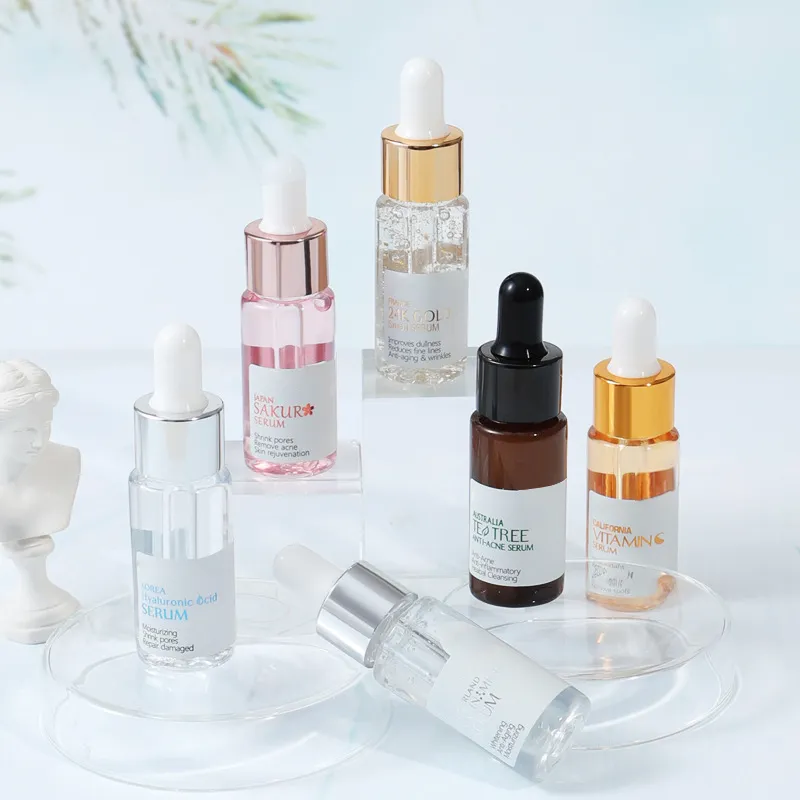
MM Cosmetic is an OEM manufacturer of skincare and cosmetics in Malaysia. They have been in business for over 16 years and make halal skincare products, face masks, cleansers, serums, ampoules, and body care products.

The company also talks a lot about how good it is at exporting.
Best for: Brands that want a lot of different skincare products and want to work with a manufacturer that is focused on export markets.
Skinlab is one of the best options for brands that want to be able to choose between OEM and ODM options.
They are an OEM/ODM/R&D manufacturer in Malaysia that has been in business for more than 20 years and is GMP-certified. They make skincare, cosmetics, and health products.

The company makes it clear what the differences are between OEM, ODM, and formulation R&D support from the ground up. This is especially helpful for founders who know exactly what they want, whether it's to quickly bring products to market using existing formulations or to find a more tailored development process.
Best for: Brands that want flexible ways to enter the market, from low-volume OEM production to developing custom formulations.
Malaysia is a good market, especially if your brand wants to be halal, follow Southeast Asian manufacturing logic, or set up a supply chain that is more regional. But I don't think every skincare project has to stay in one country.
If I were trying to build a brand and couldn't find the right mix of formula flexibility, packaging coordination, export paperwork, and scalable OEM/ODM support in Malaysia, I would also look for experienced manufacturers in other countries.
Xiran Skincare is a Chinese skincare company that focuses on exports and offers private label and custom formulation projects for international brands. They can help with everything from research and development to packaging, production, and shipping.
In short, Malaysia is one of the best places to look if your brand needs a mix of private label flexibility, OEM/ODM capability, halal relevance, and Southeast Asia export logic.
The market is appealing not only because of its depth in manufacturing, but also because it is becoming more connected to global shipping and beauty demand across borders.
DHL's 2026 Malaysia cosmetics guide talks a lot about how international e-commerce is growing and how there are export opportunities, especially in halal-led lanes like the Middle East.
That doesn't mean that all of the manufacturers here work with the same kinds of clients. Some work better for models that launch quickly. Some are better for skin care ideas that are made just for you. Some are better for brand programs that have a lot of SKUs.
That's why I wouldn't pick one of these companies just because of their size. I would choose based on the type of skincare brand I want to create.
Yes. Malaysia is a practical market for brands that care about GMP production, halal relevance, OEM/ODM flexibility, and regional export potential. It is especially useful for brands targeting Southeast Asia, Muslim-majority markets, or wider cross-border e-commerce.
If custom formulation matters most, I would look more closely at Giovan Resources, Biocoslab, Skinlab, Nuvolabz, and Unico because they show stronger signs of R&D-led support, wider treatment categories, or more layered product-development structures.
The most common categories across this shortlist are cleansers, toners, serums, creams, moisturizers, masks, ampoules, exfoliators, eye care, and sun care. Some manufacturers also extend into treatment products, salon care, body care, and spa-style products.