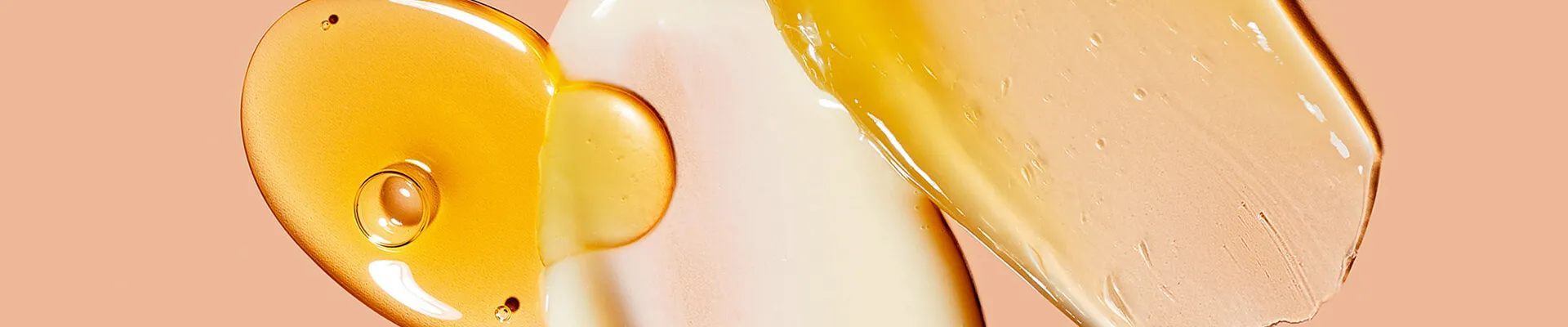
PDRN serum has become one of the most interesting product directions for skin care brands that want to build a premium repair-care line. As K-beauty-inspired routines, skin booster concepts, barrier support products and advanced hydration formulas rise in popularity, more brands are looking for serum ideas that feel more modern than a basic hyaluronic acid serum.
In my experience of working with private label skincare product development, brands don’t usually want a formula that sounds good on paper. They are looking for a serum with a clear story for the market, a comfortable texture, nice packaging and a realistic plan for OEM/ODM development.

This makes a private label PDRN serum a great product idea.
PDRN provides the product with a premium repair-care story, and supporting ingredients such as hyaluronic acid, panthenol, peptides, ceramide, cica, niacinamide and ectoin can help shape the final product direction. A PDRN serum can be marketed as a hydrating, barrier-supporting, sensitive-skin, glow or gentle anti-ageing product, depending on the formula concept.
This guide will share practical formula ideas for skincare brands planning to develop a private label PDRN serum, including ingredient pairing, texture direction, packaging suggestions, OEM/ODM development steps, and how to choose the right PDRN serum manufacturer.
PDRN, polydeoxyribonucleotides. In skincare marketing it is often associated with salmon DNA skincare, skin booster inspired skincare, K-beauty repair products, premium age-care formulas.
In terms of cosmetic skincare products, I prefer to position PDRN serum as a hydrating repair-care serum, not a medical treatment product. It can be used in formulations designed to support dry, tired-looking, dull or fragile looking skin.
These product directions can often be the basis for the development of a private label PDRN serum:
The wording should be cosmetic-friendly, for brand marketing. I would stay away from claims like "heals skin", "repairs damaged cells", "treats scars", or "regenerates skin tissue". These are too medical claims for a cosmetic serum.
A more effective approach is to use language such as “supports hydrated-looking skin,” “helps improve the appearance of dry and tired-looking skin,” “supports a smoother-looking complexion,” or “designed for a hydrating repair-care routine.”
This provides the product with a premium story, without creating unnecessary claim risk.
The PDRN serum is attractive for its trend value and flexibility of product development.
To consumers PDRN sounds advanced, modern and premium. It’s bang on trend with the current K-beauty, skin booster routines, dewy skin, barrier care and gentle anti-ageing skincare. It’s easier for brands to tell a product story that feels like more than a simple hydrating serum.
PDRN serum is also versatile for product development. It can be a light hydrating serum, a richer ampoule serum, a soothing repair serum or a premium peptide serum. The ultimate direction depends on the target customer of the brand, its market positioning, texture preference and style of packaging.
For instance, a skincare brand in the e-commerce space could choose a PDRN + hyaluronic acid serum for daily hydration and glow. A brand that is targeting sensitive skin may choose PDRN with panthenol, cica or beta-glucan. For more advanced serum concept, premium anti-aging brand can go with PDRN with peptides and ectoin.
So this is why brands shouldn’t just ask for a standard formula. A better starting point is to ask yourself what type of PDRN serum fits my customer and my brand positioning?
I always recommend starting with the product direction first when developing a private label PDRN serum. The formula should not be a random collection of what's "in" at the moment. Every ingredient has to be in service of the final product story.
Here are some PDRN serum formulation ideas for skincare brands:
| Formula Direction | Product Positioning | Best For |
| PDRN + Hyaluronic Acid Serum | Hydrating repair serum for dewy and plump-looking skin | Daily hydration, K-beauty inspired skincare, e-commerce brands |
| PDRN + Peptide Serum | Premium age-care serum for smoother-looking and firmer-looking skin | Anti-aging brands, luxury skincare lines |
| PDRN + Cica / Panthenol Serum | Soothing repair serum for skin comfort and barrier support | Sensitive-skin-positioned brands |
| PDRN + Ceramide Serum | Barrier support serum for dry and fragile-looking skin | Repair skincare lines, dry skin products |
| PDRN + Niacinamide Serum | Hydrating glow serum for dull and uneven-looking skin | Glow care and brightening-positioned brands |
| PDRN + Ectoin Serum | Advanced repair serum for premium sensitive skin care | High-end skincare brands, urban skin care concepts |
| PDRN Ampoule Serum | Skin booster-inspired serum with a richer premium texture | K-beauty inspired brands, spa and salon brands |
I would suggest launching one clear hero serum for most new brands rather than trying to launch too many formulas at once. A PDRN hydrating serum or PDRN repair serum is usually easier to describe, easier to photograph and easier to sell as the first product in a private label skin care line.
Once the hero serum is established, the brand will be able to expand to a PDRN cream, PDRN sheet mask, PDRN eye serum or full PDRN skincare set.
There are many PDRN serum formulas possible, but I would focus on three directions first because they are easier to communicate and more suitable for private label product development.
PDRN + hyaluronic acid is one of the most practical formula ideas for the skincare brands.
Consumers are already familiar with hyaluronic acid. It is strongly associated with hydration, a plump look of the skin and a dewy finish. This formula can be marketed as a hydrating repair serum to treat dry, tired or lacklustre skin, combined with PDRN.
This is a great idea for brands that want a product which feels premium and is still easy to understand.
PDRN hyaluronic acid serum can be framed as:
As for texture, I’d opt for a lightweight gel serum or a slightly viscous essence texture. It feels hydrating, smooth and comfortable without being too sticky. This is particularly important for brands that target Western consumers who prefer serums that absorb well and layer easily with moisturizers and sunscreen.
PDRN + peptides is the way to go for brands looking for a more premium anti-aging serum direction.
Peptides are already known in age-care skincare and can help to make the formula easier to place for looking skin smoothness, elasticity care and dryness-induced fine line appearance. This product with PDRN might feel more advanced and worth a higher price point combined.
This formula direction can work good for:
For this kind of product, you want the texture to feel more elevated than simply a watery serum. To support the premium positioning, a cushiony ampoule, a silky gel serum or a slightly richer essence can help.
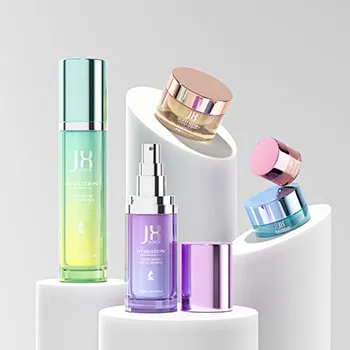
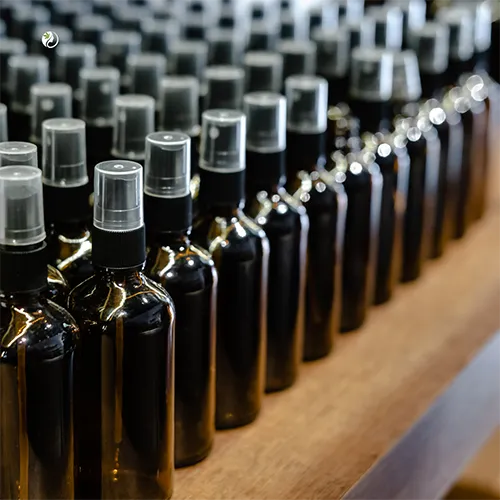
Packaging should not be an afterthought, either. Frosted glass bottles, metallic accents, airless pump bottles or sophisticated ampoule bottles can give a more professional and high value feel to the product.
PDRN with cica or panthenol is a good direction for brands positioned on sensitive skin.
Cica, centella asiatica, madecassoside, panthenol, beta-glucan and allantoin are often ingredients in products dedicated to skin comfort and soothing care. The serum formulated with PDRN can be developed into a mild repair-care product for consumers who want to hydrate and be comfortable.
This direction of the formula may be suitable for:
I would keep the formula clean and not overload it with too many strong actives for this type of serum. The texture should be fresh, mild and not heavy.
Packaging can be soft blue, white, light green, transparent or clinical inspired design. It helps communicate a soft and trustworthy product image.
Texture is one of the most important factors in the development of private label PDRN serums. Even if the story around the ingredients is compelling, if the texture feels sticky, heavy or uncomfortable, consumers may not buy the product again.
Several directions of texture development are possible for the PDRN serum:
| Texture Type | Skin Feel | Best For |
| Watery Essence Serum | Fresh, light, fast-absorbing | Oily skin, combination skin, humid markets |
| Gel Serum | Smooth, hydrating, slightly cooling | Daily PDRN hydrating serum |
| Viscous Ampoule | Richer, cushiony, premium | Skin booster-inspired serum |
| Milky Serum | Soft, nourishing, barrier-support feel | Dry skin and sensitive-looking skin |
| Cream Serum | Comforting, moisturizing, richer | Mature skin and repair-care lines |
Packaging: The bottle should be in line with the serum concept and price positioning.
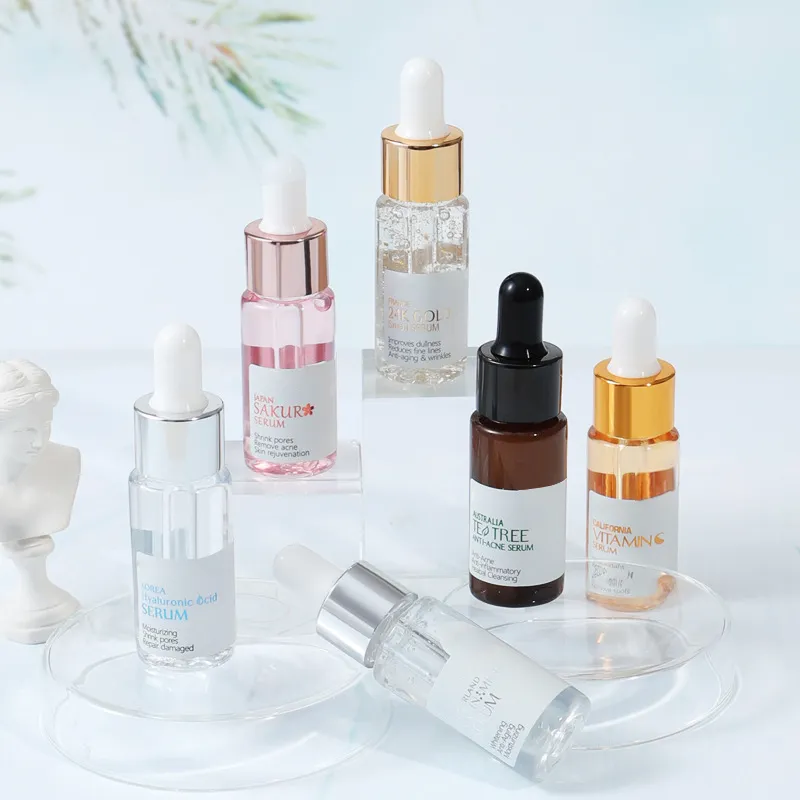
A glass dropper bottle is a great choice for a beauty PDRN hydrating serum. A pump bottle without air may be better for a sensitive skin or barrier support serum. Ampoule bottles are good for a skin booster inspired PDRN serum. Frosted glass and metallic accents help to create a more premium look.
The packaging match should not be regarded as a small detail for a PDRN serum manufacturer. The final product experience is affected by formula viscosity, filling method, dropper compatibility, pump performance, label design and outer carton presentation.
A successful OEM PDRN serum project should start with a clear product brief. Before asking a manufacturer for samples, the brand should define the target customer, formula direction, texture preference, packaging style, claim direction, target market, and launch plan.
In a practical OEM/ODM process, I would usually divide PDRN serum development into five steps.
The brand first confirms whether the serum is for hydration, repair care, anti-aging, glow care, barrier support, or sensitive-skin-positioned skincare.
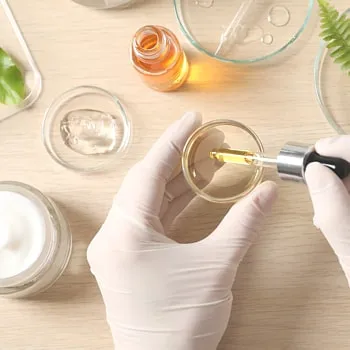
The manufacturer develops or adjusts the formula based on the selected direction. This includes PDRN, supporting ingredients, texture system, preservative system, fragrance direction, and skin feel.
The brand reviews the sample for texture, absorption, stickiness, appearance, fragrance, skin feel, and overall user experience.
The formula and packaging must work together. A thicker serum may need a pump bottle, while a clear gel serum may work better with a dropper bottle or ampoule bottle.
After the formula, packaging, and label are confirmed, the project moves into bulk production. Quality control should cover raw materials, filling, packaging, appearance, batch consistency, and final inspection.
This process helps brands move from a product idea to a finished private label PDRN serum with a clearer development path.
Creating a private label PDRN serum is not as simple as choosing a basic stock formula. For brands using PDRN, which is a premium and trend driven ingredient, formula positioning, supporting ingredients, texture, packaging, claim direction, market requirements and final user experience need to be considered.
That’s why working with an experienced PDRN serum manufacturer is important.
At Xiran Skincare, we help skincare brands in OEM/ODM PDRN serum development from concept to finished product. We can assist with formula guidance, ingredient pairing, sample development, match packaging, label support, bulk production, quality control and export documentation support.
Xiran Skincare has over 10 years of experience in skincare product development, and can create PDRN serums with different effects based on brand positioning, target market, product texture, and packaging requirements.
"We don't offer one-size-fits-all serum formulas. We help brands develop products that suit their customers, price points, and long-term skincare lines."
Private label PDRN serum is a strong product direction for skincare brands who want to create a premium hydrating repair. It has a modern ingredient story, fits current K-beauty and skin booster-inspired trends, and can be translated into different formula concepts.
The trick is to build the product with a plan in mind.
A PDRN serum should not only be based on the trend value. It should have the right supporting ingredients, the right texture, the right packaging, the right claims and a decent OEM/ODM development plan.
For brands that are just starting, I would usually recommend a PDRN + hyaluronic acid hydrating repair serum as your first hero product. “It’s easy to explain, easy to market and it works for a wide range of customers.”
For more advanced positioned brands, it is possible to create a stronger premium repair or anti-aging concept using PDRN + peptides, PDRN + ectoin or PDRN + ceramides.
At the end of the day, the best PDRN serum isn’t just the one with the longest list of ingredients. It is the one that fits the brand’s customer, market, texture preference, packaging style and long-term product line.
If your brand is going to develop a private label PDRN serum, first start with a clear product concept. Once positioning is decided, the formula, packaging, claims and OEM/ODM process can be aligned to that strategy.