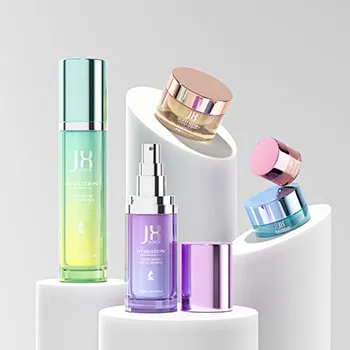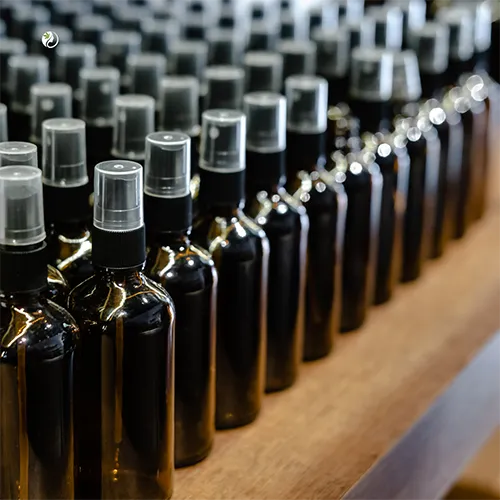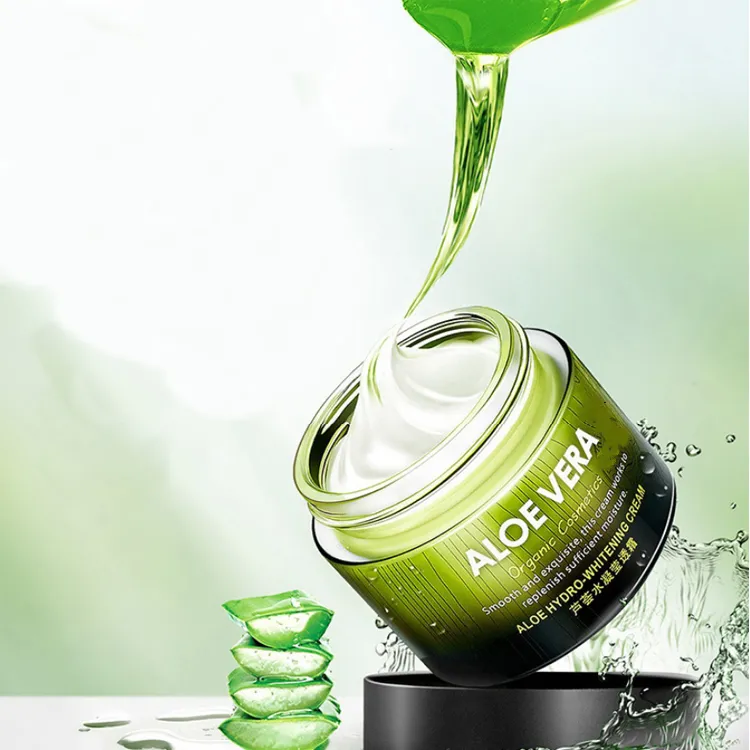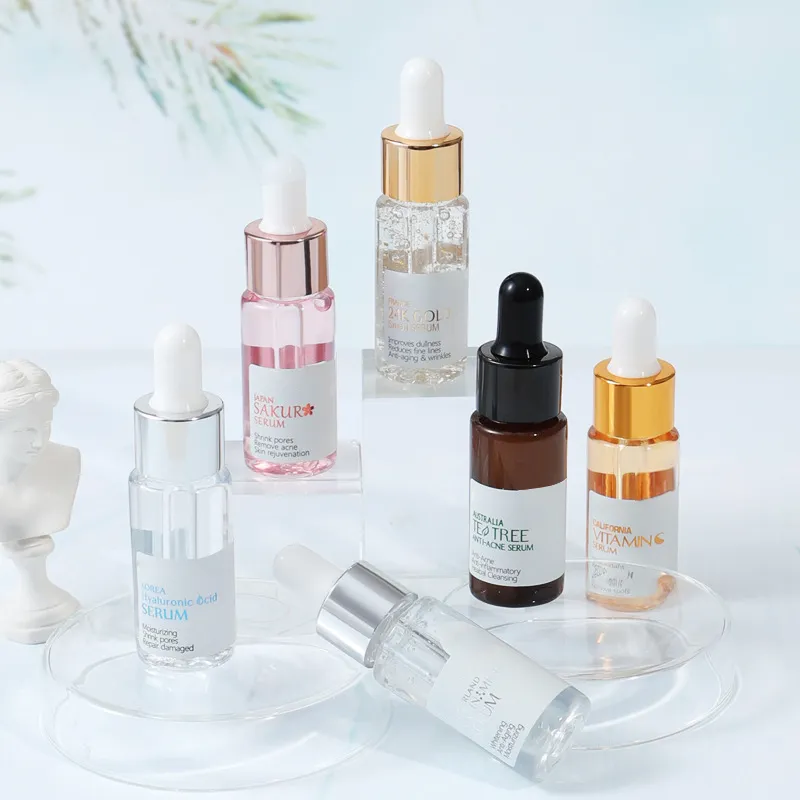
Moisturizers are still one of the most stable and in-demand types of skincare around the world. Almost every beauty brand, from indie startups to Amazon sellers to spa brands to dermatology lines, needs a reliable private label moisturizer manufacturer. These brands make everything from barrier repair creams to lightweight gel hydrators.
But picking the wrong partner can cause unstable formulations, delays in getting regulatory approval, quality that isn't always good, or expensive minimum order quantities (MOQs).
This guide for 2026 will help you:
✔ Know what to look for when choosing a manufacturer
✔ Compare the best global private label suppliers
✔ Stay away from common sourcing mistakes
✔ Make a list of the best partners for your brand stage

A private label manufacturer makes moisturizer formulas that are ready to use or can be changed a little to fit a brand's needs.
Common services include:
Private label does not mean low quality. Many labs offer bases that are clinically inspired and of dermatologist quality.
Here are the real standards that professionals use before looking at the list:
Look for skills in:
Very important for:
| Brand Stage | Ideal MOQ |
|---|---|
| Startup / test launch | 500 – 2,000 units |
| Growing brand | 2,000 – 10,000 |
| Established | 10,000+ |
Can they help with:
✔ Pumps without air
✔ Jars made of glass
✔ Eco-friendly packaging
✔ Personalized decoration
Some companies are really good at:


Strengths
✔ Advanced research and development skills
✔ Textures that are based on trends (gel-cream hybrids, microbiome care)
✔ A lot of experience with global regulations
Best For
Brands of medium to large size that want to lead in innovation.


Strengths
✔ High-end or luxury skin care
✔ Textures that are elegant and focus on the senses
✔ Strong EU compliance
Most Suitable For
Skincare brands that are high-end or prestigious.


✔ MOQs that can change for brands that are growing
✔ A lot of experience working with clients in the EU and US
✔ A large library of textures (cream, gel, gel-cream, and barrier repair)
✔ Help with packaging and customization
Best For
Brands that want to find the right balance between quality, flexibility, and low cost.


Good Points
✔ Formulations based on dermatology
✔ Focus on repairing barriers and sensitive skin
✔ Credibility at the clinical level
Best For
Brands of cosmeceuticals and derma.


Good points
✔ Manufacturing at the level of pharmaceuticals
✔ Large-scale capacity
✔ Strict quality systems
Best For
Brands that are well-known around the world.


Strengths
✔ Strong packaging and formulation integration
✔ Friendly to indie brands
✔ Design-driven approach
Best For
Beauty startups that focus on branding.


Strengths
✔ Positioning for clean beauty
✔ Lower minimum order quantities
✔ Knowledge of EU regulations
Best For
New brands and niche launches.


Strengths
✔ Australia-based cosmetic manufacturer
✔ Offers private label & contract manufacturing
✔ Supports custom skincare development
✔ One-stop solutions from formulation to packaging
Best For
Brands seeking authentic Australian-made positioning, particularly suitable for natural, clean, or premium skincare lines.


What are the good things about it?
✔ Prices that are competitive
✔ Formulations that are natural or herbal
✔ Lower minimum order quantities
Best For
Price-sensitive or test launches.


Strengths
✔ Skincare that works in the clinic and at home
✔ Good reputation in the EU for quality
✔ Formulas rich in actives
Best For
Brands that are based on science.
The market is changing to:
✔ Barrier repair creams (ceramides, cholesterol, and fatty acids)
✔ Lightweight gel moisturizers
✔ Hydrators that are good for the microbiome
✔ Multi-functional (hydrate + soothe + anti-aging)
--- ⚠ Things that brands often do wrong
❌ Choosing only based on price
❌ Not doing stability tests
❌ Committing too much to high MOQ
❌ Not checking regulatory documents
❌ Blindly copying popular formulas

These are the questions you should ask:
✔ Can you give me information about stability and compatibility?
✔ What markets do you support? (EU, US, GCC)
✔ What is your real MOQ compared to the one you gave?
✔ Can the textures be changed?
✔ How long does it take to sample and bulk?
A good moisturizer company is more than just a supplier; they are also a long-term partner in product development.
Your best choice depends on: