Many people want brighter-looking skin, but the goal should not be changing your natural skin color.
Dullness, dark spots, and uneven tone usually come from sun exposure, post-acne marks, irritation, slow skin turnover, or pigmentation concerns.
In this guide, I will explain how to brighten your skin safely, which ingredients may help, what routine to follow, and which risky skin-lightening methods you should avoid.
Brightening skin does not mean bleaching your skin or trying to change your natural skin tone.
A safer and healthier goal is to make the skin look clearer, more even, and more radiant.
When people say they want to “whiten” their skin, they often mean they want to improve:
These concerns are common, but they need a careful approach.
The goal should be even-looking skin, not lighter skin at any cost. A good brightening routine should protect the skin barrier, reduce new pigmentation triggers, and slowly improve the look of existing discoloration.

Before choosing products, it helps to understand why the skin looks dull or uneven.
Skin tone changes usually do not happen for only one reason. In many cases, several factors work together.
Sun exposure is one of the biggest causes of dark spots, uneven tone, and premature aging.
When the skin is exposed to UV rays, it may produce more melanin. Melanin is the pigment that gives skin its color. More melanin in certain areas can lead to dark spots, sun spots, or uneven patches.
This is why sunscreen is the most important step in any brightening routine.
Without sun protection, dark spots may become darker, and brightening ingredients may not work as well.
After a pimple heals, it may leave a dark mark behind.
This is called post-inflammatory hyperpigmentation. It is more common in deeper skin tones, but it can happen to anyone.
These marks are not the same as acne scars. They are usually flat discoloration left after inflammation.
A gentle brightening routine may help improve their appearance over time.
Irritation can make pigmentation worse.
Some people use harsh scrubs, strong acids, lemon juice, or unknown lightening creams because they want fast results. These methods can damage the skin barrier and trigger more discoloration.
If a product burns, stings, or makes your skin red for a long time, it may be too irritating for your skin.
Brightening should be gentle and gradual.
When dead skin cells build up on the surface, the skin may look dull, rough, or tired.
Gentle exfoliation can help the skin look smoother and brighter. But over-exfoliation can do the opposite. It can make the skin sensitive, dry, and more likely to develop dark marks.
The key is balance.
Some uneven patches are related to melasma.
Melasma can be linked to sun exposure, hormonal changes, pregnancy, birth control pills, or certain medications. It often appears as brown or gray-brown patches on the face.
Melasma can be stubborn. If you think you have melasma, it is better to see a dermatologist instead of trying strong lightening products on your own.
The safest way to brighten skin starts with sun protection.
If you only use brightening serum but skip sunscreen, your routine will not work well. Dark spots can become darker with sun exposure, and new discoloration can appear.
Choose a sunscreen that offers:
If you have dark spots, melasma, or deeper skin tone, a tinted sunscreen with iron oxides may be helpful because it can also protect against visible light.
Sunscreen should be reapplied when you are outdoors for a long time.
A good rule is to reapply every two hours when outside, and sooner after sweating, swimming, or wiping your face.
Sunscreen is important, but it is not the only protection.
You can also use:
Brightening is not only about what you apply at night. It is also about how well you protect your skin during the day.
There is no single best brightening ingredient for everyone.
The right ingredient depends on your skin type, pigmentation concern, sensitivity level, and current routine.
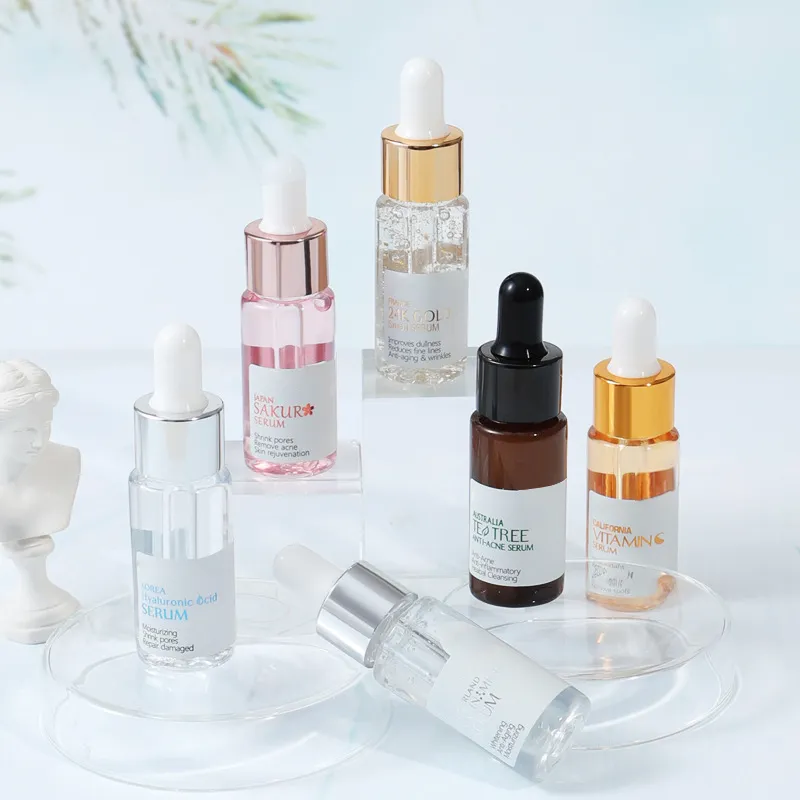
Here are some common skincare ingredients used for dullness, dark spots, and uneven tone.

| Ingredient | Best For | Notes |
| Vitamin C | Dullness, radiance, antioxidant support | Often used in morning routines with sunscreen |
| Niacinamide | Uneven tone, redness, barrier support | Gentle and suitable for many skin types |
| Azelaic Acid | Dark spots, redness, blemish-prone skin | Often suitable for acne-prone and sensitive skin |
| Kojic Acid | Dark spots and uneven tone | Can irritate some skin types |
| Alpha Arbutin | Uneven tone and dark spots | Common in brightening serums |
| Licorice Extract | Redness, uneven tone, soothing support | Good supporting ingredient |
| Glycolic Acid | Dullness, rough texture, dead skin buildup | Use carefully; may increase sun sensitivity |
| Lactic Acid | Mild exfoliation and dullness | Usually gentler than glycolic acid |
| Retinoids | Texture, post-acne marks, photoaging | Can irritate; start slowly |
| Tranexamic Acid | Uneven tone and discoloration appearance | Often used in tone-correcting products |
Vitamin C is popular for dullness and radiance.
It can help support a brighter-looking complexion and provides antioxidant care. Many people use vitamin C in the morning before moisturizer and sunscreen.
However, some vitamin C formulas can be irritating, especially if they use a strong form or low pH. If your skin is sensitive, start slowly or choose a gentler vitamin C derivative.
Niacinamide is one of the most useful ingredients for uneven tone.
It can support the skin barrier, help with redness, and improve the look of uneven skin tone. It is also easier to tolerate than many stronger brightening ingredients.
This makes it a good choice for beginners.
Azelaic acid can be helpful for uneven tone, post-acne marks, redness, and blemish-prone skin.
It is often a good option for people who want brightening support but cannot tolerate strong acids or harsh exfoliants.
Alpha arbutin is commonly used in brightening serums.
It is often chosen for products that target dark spots, uneven tone, and dullness. Like other brightening ingredients, it works best when combined with daily sunscreen.
Kojic acid is another ingredient used for dark spots and discoloration.
It can be effective in some formulas, but it may also irritate sensitive skin. If you use kojic acid, avoid combining it with too many strong actives at the same time.
Licorice extract is a gentle supporting ingredient.
It is often used in soothing and brightening formulas because it can help improve the look of redness and uneven tone.
It is not usually the strongest brightening ingredient alone, but it works well as part of a balanced formula.
Glycolic acid and lactic acid are alpha hydroxy acids, also called AHAs.
They help exfoliate the surface of the skin. This can make dull skin look smoother and brighter.
However, acids should be used carefully. Overuse can cause dryness, stinging, irritation, and sun sensitivity.
Retinoids can improve the look of texture, fine lines, post-acne marks, and photoaging.
But they can also cause dryness, peeling, and irritation, especially when used too often at the beginning.
If you are new to retinoids, start slowly and use sunscreen every day.

A brightening routine does not need to be complicated.
In fact, a simple and consistent routine is usually better than using too many products at once.
Start with a gentle cleanser that does not leave your skin tight or dry.
If your skin is dry or sensitive, you may only need to rinse with water in the morning.
Choose one serum based on your skin needs.
Good morning options include:
Do not use too many active serums at the same time. One well-chosen product is enough for many people.
A moisturizer helps support the skin barrier.
This is important because irritated skin can become more uneven over time.
Look for ingredients such as:
Sunscreen is the most important step.
Use broad-spectrum SPF 30 or higher every morning. If you have dark spots or melasma, consider tinted sunscreen with iron oxides.
Remove sunscreen, makeup, dirt, and oil at night.
If you wear heavy sunscreen or makeup, you may use a cleansing balm or oil cleanser first, followed by a gentle water-based cleanser.
At night, you can use a brightening product such as:
Do not use all of these together.
Choose one main treatment product and give it time to work.
Finish with a moisturizer to reduce dryness and support recovery.
This is especially important if you use acids, retinoids, or other active ingredients.
Exfoliation can help dull skin look smoother and more radiant.
But more exfoliation does not always mean better results.
If you exfoliate too often, your skin may become irritated. Irritation can make dark spots worse, especially for people prone to hyperpigmentation.
Start with exfoliation once a week.
Choose a gentle AHA or PHA product instead of a harsh physical scrub.
Some people with oily skin may tolerate BHA, such as salicylic acid.
BHA can help with clogged pores, blackheads, and oily skin. But it should still be used carefully.
Sensitive skin should be very cautious with exfoliation.
Start slowly, avoid strong acids, and do not combine exfoliants with retinoids on the same night at first.
You may be exfoliating too much if your skin feels:
If this happens, stop exfoliating for a while and focus on barrier repair.
Some skin-lightening methods can damage your skin or harm your health.
A safe brightening routine should avoid risky shortcuts.

Lemon juice is often recommended online as a natural skin brightener.
I do not recommend it.
Lemon juice is acidic and can irritate the skin. It may cause burning, dryness, sensitivity, and uneven patches. It can also make the skin more reactive to sunlight.
Natural does not always mean safe for your face.
Avoid creams that promise very fast whitening or dramatic skin lightening.
Be especially careful with products that:
These products may contain unsafe or illegal ingredients.
Some illegal skin-lightening products contain mercury.
Mercury can be harmful to the body, especially with repeated exposure. It can affect the kidneys, nervous system, and overall health.
Do not use any product suspected of containing mercury.
Hydroquinone can be used in dermatology, but it should be handled carefully.
In some countries, hydroquinone is prescription-only or restricted. Do not buy unknown hydroquinone creams online or from informal sellers.
If you need stronger treatment for dark spots or melasma, speak with a dermatologist.
Some illegal lightening creams may contain strong corticosteroids.
Using steroid creams on the face without medical supervision can cause skin thinning, acne-like breakouts, redness, sensitivity, and other side effects.
Do not use steroid creams to lighten your skin unless a doctor has prescribed them for a specific condition.
Brightening takes time.
There is no safe method that changes skin tone overnight.
For mild dullness, you may notice a fresher look in a few weeks if you use sunscreen, moisturize well, and avoid irritation.
For dark spots or post-acne marks, it may take 8 to 12 weeks or longer to see visible improvement.
For melasma or stubborn hyperpigmentation, improvement may take several months and often needs dermatologist guidance.
Results depend on:
If you want brighter-looking skin, consistency matters more than using the strongest product.
Many cases of dullness or post-acne marks can be managed with a gentle skincare routine.
But some pigmentation concerns need professional care.
You should consider seeing a dermatologist if:
A dermatologist can help you understand what type of pigmentation you have and what treatment is safest.
You cannot safely change your natural skin color, and you do not need to.
A better goal is to brighten dull skin, improve uneven tone, and reduce the appearance of dark spots in a safe and healthy way.
The most important step is daily sun protection. Without sunscreen, dark spots may keep returning or become darker.
After that, gentle brightening ingredients such as vitamin C, niacinamide, azelaic acid, alpha arbutin, licorice extract, and carefully used exfoliating acids may help improve the look of uneven skin tone.
Avoid risky shortcuts such as lemon juice, unknown bleaching creams, mercury-containing products, unregulated hydroquinone creams, and steroid creams for cosmetic lightening.
Brightening skincare should be gentle, consistent, and respectful of your natural skin tone.