If your face still feels dry, tight, dull, or rough after using moisturizer, your skin may not need more products. It may need a better hydration routine.
I see this problem often when people talk about skincare. They drink more water, apply face masks, use facial sprays, and try different creams. But their skin still feels uncomfortable a few hours later.
The reason is simple: hydrating your face is not only about adding water. It is also about helping your skin hold onto that water.
In this guide, I will explain how to hydrate your face step by step, what ingredients help dehydrated skin, and how to build a simple hydrating skincare routine with cleanser, toner, serum, moisturizer, and sunscreen.
I will also share a few product development ideas for skincare brands that want to create hydrating skincare products, such as hydrating toner, hyaluronic acid serum, moisturizing cream, and hydrating face mask.

Many people think dry skin only happens when they do not use enough cream. In reality, the problem can be more complex.
Your skin may feel dry because it lacks oil. It may feel dehydrated because it lacks water. It may also feel tight because the skin barrier is weak or irritated.
That is why applying a random cream may not solve the problem.
A good face hydration routine should do three things:
When these three parts work together, the skin usually feels more comfortable, soft, and balanced.
Dry skin and dehydrated skin are not exactly the same.
Dry skin is usually a skin type. It produces less natural oil, so it may feel rough, flaky, or tight. Dry skin often needs richer creams, barrier-support ingredients, and gentle cleansing.
Dehydrated skin is a skin condition. It can happen to any skin type, including oily skin. Dehydrated skin lacks water, so it may look dull, feel tight, or show fine lines more clearly.
This is why some people have oily skin but still feel dry after washing their face. Their skin may produce oil, but it may not hold enough water.
For dry skin, I usually focus on moisture and barrier repair. For dehydrated skin, I focus on water-binding ingredients and moisture retention.
Before building a better routine, it helps to understand what may be going wrong.
Drinking enough water is important for general health, but it does not automatically fix dehydrated facial skin.
Skin hydration depends on many factors, including the skin barrier, cleansing habits, climate, product texture, and moisturizing ingredients.
If the skin barrier is weak, water can evaporate quickly from the skin surface. That is why topical skincare still matters.
Hydrating face masks can be helpful, but using them too frequently may irritate the skin.
Some people use sheet masks every day because they want fast hydration. The skin may feel plump right after the mask, but that effect may not last if there is no moisturizer afterward.
For most routines, I prefer using hydrating masks one to three times per week, depending on skin condition.
If your skin feels red, itchy, or sensitive after masking, reduce the frequency.
A facial mist can feel refreshing, especially in summer or in an air-conditioned room. But a mist alone usually does not lock in moisture.
If you spray your face and let the water evaporate, your skin may feel even drier later.
I like using mist as a supporting step, not a complete hydration routine. After misting, apply serum or moisturizer to help seal hydration into the skin.
Cleansing is important, but too much cleansing can damage the skin barrier.
If your cleanser leaves your face feeling tight, squeaky, or uncomfortable, it may be too harsh for daily use.
A good cleanser should leave the skin clean but not stripped.
A good hydrating skincare routine depends heavily on ingredient selection.
Here are the ingredients I usually look for when choosing or developing hydrating skincare products.
Hyaluronic acid is one of the most common hydrating ingredients in skincare. It helps attract water to the skin and can make the skin feel plumper and smoother.
It works well in hydrating serums, toners, essences, masks, and gel creams.
For dehydrated skin, I prefer hyaluronic acid formulas that also include moisture-locking or barrier-support ingredients. Hyaluronic acid alone may not be enough in dry climates.
Sodium hyaluronate is a salt form of hyaluronic acid. It is widely used in skincare because it works well in lightweight formulas.
You may find it in hydrating toner, face serum, eye serum, sheet mask essence, and moisturizing cream.
Glycerin is one of my favorite practical hydrating ingredients.
It is not as trendy as some newer ingredients, but it is reliable, effective, and suitable for many skin types. It helps attract water and supports a comfortable skin feel.
Glycerin works especially well in daily-use moisturizers, cleansers, toners, and body care products.
Panthenol is a soothing and moisturizing ingredient. I like it for skin that feels dry, stressed, or sensitive.
It is also useful in after-sun products, barrier creams, hydrating serums, and calming masks.
Ceramides help support the skin barrier.
When the skin barrier is weak, water can escape more easily. That can leave the face feeling dry, tight, or rough.
Ceramides are useful in moisturizing creams, barrier repair creams, and products for dry or sensitive skin.
Beta-glucan is often used in calming and hydrating skincare. It can help the skin feel smoother and more comfortable.
I like it in hydrating toners, soothing serums, and masks designed for sensitive or stressed skin.
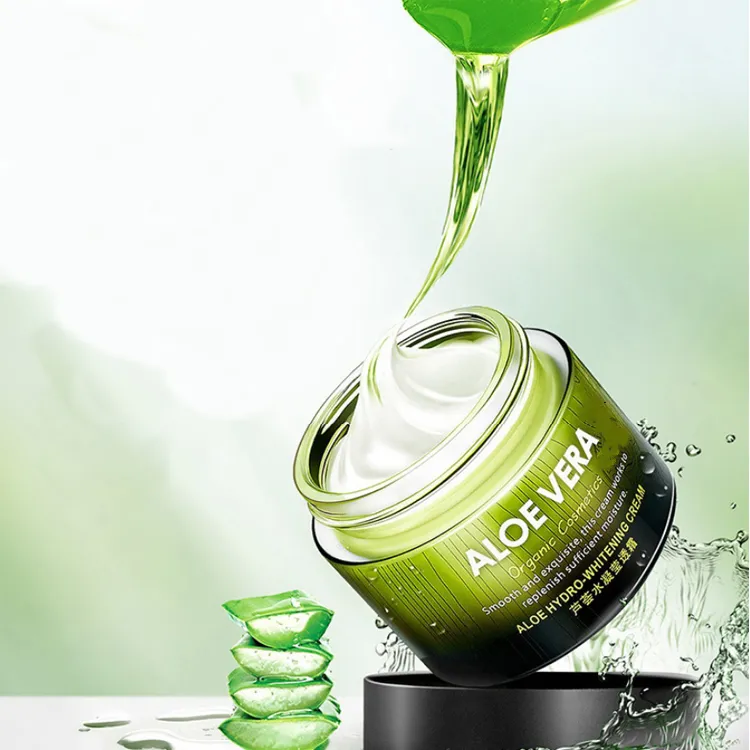
Aloe vera is often used in refreshing and soothing formulas. It gives a light, cooling feel, which makes it popular in summer skincare, after-sun products, and gel moisturizers.
A good routine does not need to be complicated.
For most people, I prefer a clear routine that includes cleansing, hydration, moisture, and protection.
Start with a gentle cleanser that removes oil, sweat, sunscreen, and daily buildup without damaging the skin barrier.
If your face feels tight right after washing, your cleanser may be too strong.
For dry or sensitive skin, I usually prefer cream cleansers, milk cleansers, or low-foam formulas.
For oily or combination skin, a mild gel cleanser can work well.
Avoid harsh scrubs, strong soap-based cleansers, and over-cleansing. These may make dehydration worse.
A hydrating toner or essence can help add water-based hydration to the skin.
This step is especially useful when the skin feels tight after cleansing or when you spend a lot of time in air-conditioned spaces.
Look for ingredients such as:
I usually apply toner with clean hands and gently press it into the skin. This method feels softer than rubbing with a cotton pad, especially for sensitive skin.
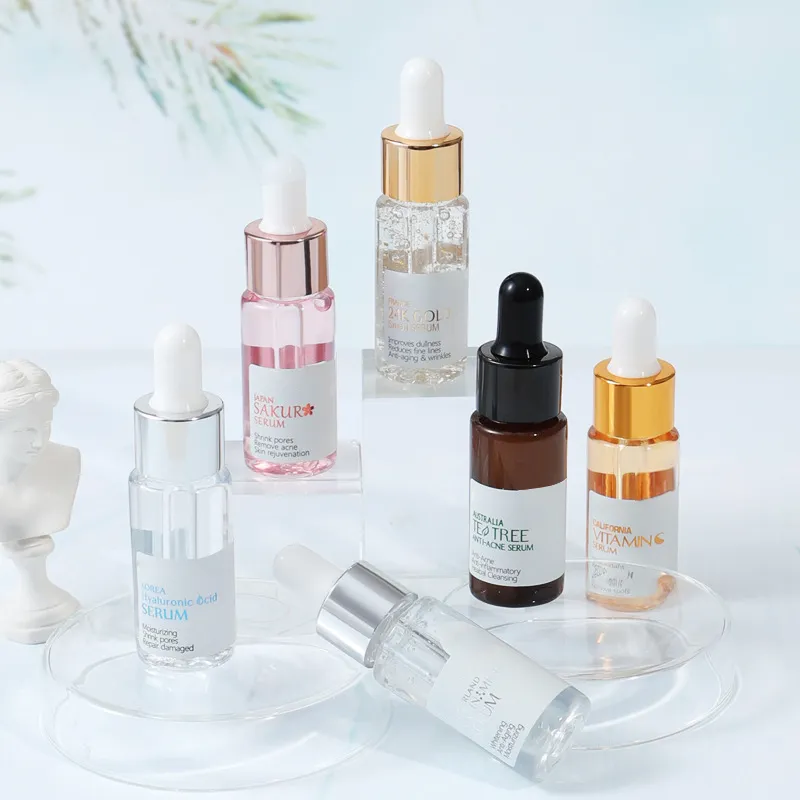
A hydrating serum gives the routine more targeted support.
If your skin is dehydrated, a serum with hyaluronic acid, sodium hyaluronate, glycerin, panthenol, or beta-glucan can help the skin feel more comfortable.
For oily dehydrated skin, choose a lightweight gel serum.
For dry dehydrated skin, choose a serum that combines humectants with barrier-support ingredients.
If your skin is sensitive, avoid using too many active ingredients at the same time. A simple hydrating serum may work better than a strong treatment serum.
This is the step many people miss.
Hydration adds water. Moisturizer helps keep that water in the skin.
If you only use toner or serum without moisturizer, hydration may evaporate quickly.
Choose moisturizer based on your skin type.
For oily skin, I prefer gel cream or lightweight lotion.
For dry skin, I prefer cream with ceramides, emollients, and barrier-support ingredients.
For combination skin, I often suggest using a lighter layer on the T-zone and a slightly richer layer on the cheeks.
For sensitive skin, keep the formula simple and avoid heavy fragrance.
In the morning, sunscreen should be the final step of your routine.
Sun exposure can make skin dryness, dullness, uneven tone, and premature aging look worse over time. That is why I always see sunscreen as part of a complete hydration routine, not a separate step.
Choose a broad-spectrum sunscreen with SPF 30 or higher for daily use.
If you spend time outdoors, sweat, swim, or towel-dry your face, reapply sunscreen as directed on the product label.
A good sunscreen should feel comfortable enough for daily use. If it feels too greasy, too white, or too heavy, try a different texture instead of skipping it.
Here is the simple morning routine I would recommend for most people:
If your skin is oily, you may use a very light moisturizer or choose a moisturizing sunscreen.
If your skin is dry, do not skip moisturizer before sunscreen.
At night, the goal is to remove buildup and help the skin recover.
A simple night routine can look like this:
If your skin feels irritated, skip exfoliating acids and retinol for a few nights. Focus on hydration and barrier support instead.
Different skin types need different textures.
The steps may be similar, but the formula choices should change.
Dry skin usually needs richer moisture support.
I recommend:
At night, dry skin may benefit from a richer cream, especially in winter or in dry climates.
Oily skin can still be dehydrated.
If your skin feels greasy but tight, it may need more water-based hydration, not more oil.
I recommend:
Avoid using harsh cleansers just to remove oil. They can make the skin feel more unbalanced.
Combination skin needs balance.
The T-zone may feel oily, while the cheeks may feel dry. In this case, I like using one routine but adjusting the amount of moisturizer by area.
Use a light layer on oily areas and a little more product on dry areas.
Sensitive skin needs a calm and simple routine.
I recommend:
Avoid changing too many products at once. If you introduce a new product, give your skin time to adjust.
Acne-prone skin needs hydration without heavy residue.
Look for lightweight, non-comedogenic textures when possible.
I recommend:
Do not skip moisturizer just because you have acne. Dry and irritated skin can make acne routines harder to tolerate.
Hydrating face masks can be useful, but they should support your routine, not replace it.
For most people, one to three times per week is enough.
Use a hydrating face mask when:
After using a face mask, apply moisturizer. This helps lock in the hydration from the mask essence.
If you use a mask and your skin becomes red, itchy, or bumpy, stop using it and simplify your routine.
Facial mists can be helpful, but they are not a full skincare routine.
I like facial mists for quick refreshment during the day, especially in hot weather or dry indoor air.
However, if your face feels dry all the time, a mist alone will not solve the problem. You need a moisturizer or cream to reduce water loss.
A better way to use mist is:
This works better than spraying repeatedly without sealing the moisture.
Skincare products are important, but lifestyle also affects how your skin feels.
Here are a few habits I find helpful.
Hot water can make the skin feel drier. Use lukewarm water when cleansing your face.
Air conditioning and heating can make indoor air dry.
If your skin feels tight in the office or bedroom, a humidifier may help.
Exfoliation can make the skin look smoother, but too much exfoliation can weaken the skin barrier.
If your skin feels dry, stinging, or sensitive, reduce exfoliation.
A balanced diet can support overall skin health. Foods such as fish, nuts, seeds, olive oil, and avocado can be part of a healthy routine.
Skincare cannot replace nutrition, and nutrition cannot replace skincare. Both matter.
Poor sleep and stress can make the skin look dull and tired.
A simple routine works best when your overall lifestyle supports it.
Hydration is not only a personal skincare concern. It is also a strong product development direction for skincare brands.
Many consumers want products that feel fresh, comfortable, and effective without being heavy or sticky. This is especially true in warm climates, humid markets, and daily-use skincare categories.
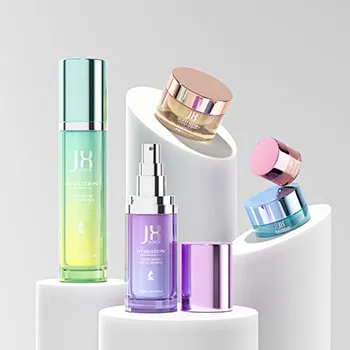
A complete hydrating skincare line can include:
When I work on hydrating skincare product ideas, I usually focus on three details: skin feel, ingredient combination, and moisture retention.
A formula may look good on paper, but if it feels sticky, pills under sunscreen, or leaves the skin greasy, consumers may not use it consistently.
For private label hydrating skincare products, I usually suggest combining fast hydration with long-lasting comfort.
For example:
The best hydrating skincare products should feel pleasant from the first application and still leave the skin comfortable hours later.
At Xiran Skincare, we support OEM and ODM hydrating skincare product development for private label brands.
This can include formula direction, ingredient selection, texture adjustment, sample testing, packaging matching, bulk production, and export support.
For brands planning a hydration-focused skincare line, we can help develop products such as hydrating toner, hyaluronic acid serum, moisturizing cream, soothing gel, hydrating face mask, and barrier repair products.
Different markets may need different textures. A brand selling in a humid climate may prefer lightweight gel cream and fast-absorbing serum. A brand targeting dry or sensitive skin may need richer cream, ceramide formulas, and fragrance-free options.
That is why I always recommend starting with the target customer, skin concern, climate, product texture, and price positioning before confirming the final formula.
Learning how to hydrate your face is not about using more products. It is about using the right steps in the right order.
Cleanse gently. Add water-based hydration. Use a serum if needed. Lock in moisture with lotion or cream. Protect your skin with sunscreen during the day.
If your skin still feels dry after moisturizing, look at your full routine. Your cleanser may be too harsh. Your serum may not be enough. Your mist may not be sealed with cream. Your skin barrier may need support.
A simple, consistent hydrating skincare routine can make the skin feel softer, calmer, and more comfortable over time.