GHK-Cu has become one of the most interesting ingredients in the world of premium skincare development.
For beauty brands, GHK-Cu is more than just another trendy active ingredient. It gives a product a more scientific, high-performance, and skin-repair-inspired positioning. Hence, GHK-Cu is now being widely considered for private label skincare products such as facial serum, anti-aging cream, eye patches, eye serum, and intensive care formulas.
But the development of a successful GHK-Cu skincare product is not just about adding copper peptide to a formula.
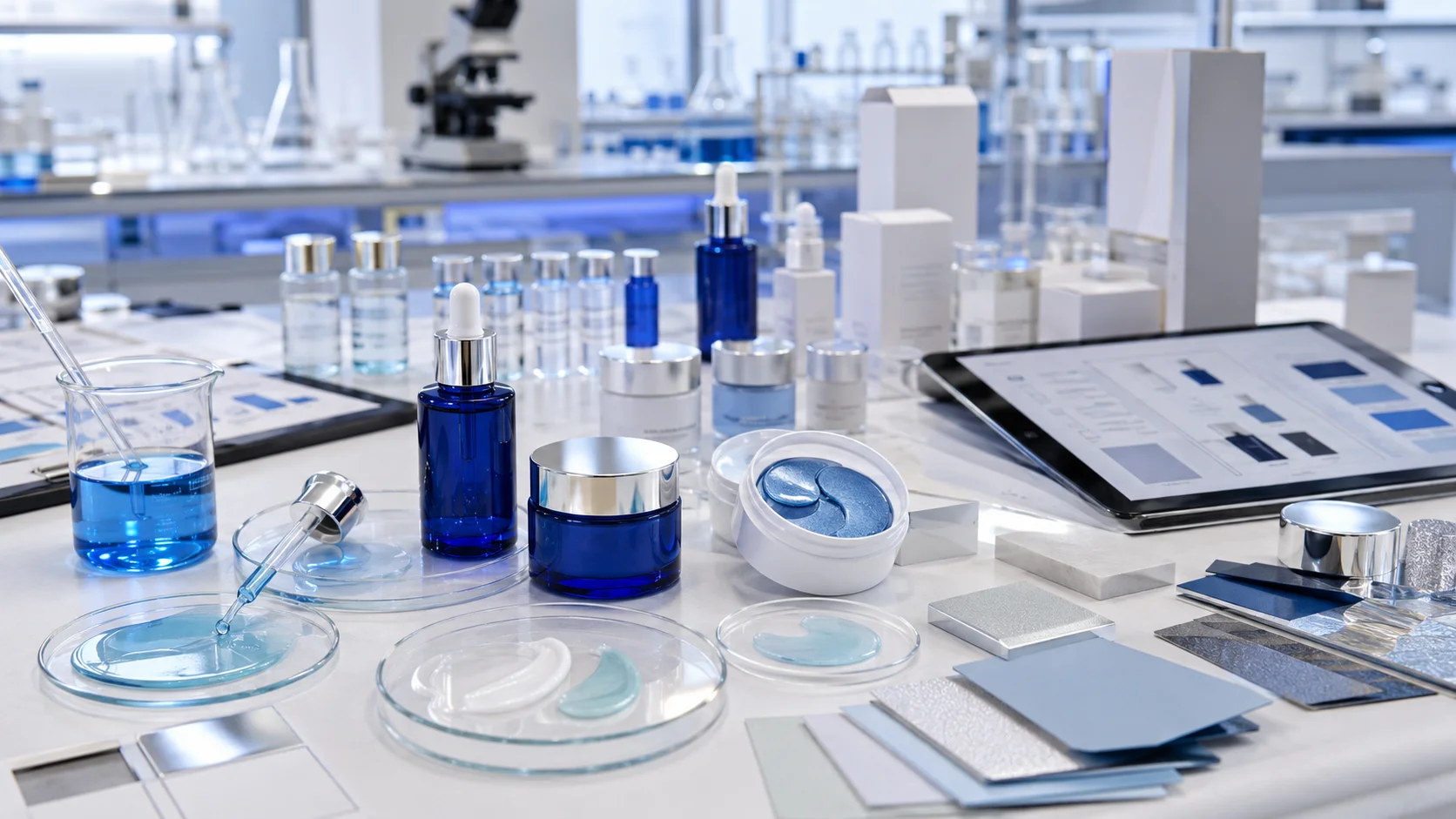
Brands need to think about the full product strategy:
This guide is for skincare brands, beauty startups, e-commerce sellers, salons, spas, distributors high-performance,distributors,and product developers who want to collaborate with professional OEM/ODMs to develop their own GHK-Cu skincare products.
GThe copper peptide, GHK-Cu, is used in skincare.GHK-Cu is a copper-binding peptide that is widely used in advanced skincare formulations. It is often found in cosmetic formulas that focus on skin repair, anti-aging support, firmness, elasticity, skin barrier care, and overall skin quality, all of which are inspired by GHK-Cu.
GHK-Cu is particularly interesting for product development as it aligns with a few modern skincare trends:
Private label brands can leverage GHK-Cu to tell a more premium product story. It is especially useful in formulations for hydration, firmness, elasticity, fine line treatment, dull-looking skin, tired-looking skin, and delicate care around the eyes.
However, brands should not position GHK-Cu products as a medical treatment. A better way to discuss cosmetic products is usually based on how the skin looks and feels.
GHK-Cu is useful for brands that want to move beyond basic moisturizing products.
It can help a product feel more advanced, more scientific, and more premium. This is important for brands selling through DTC websites, Amazon, salons, spas, distributors, dermatology-inspired beauty channels, or high-end retail.
From a brand positioning perspective, GHK-Cu can support product concepts such as:
The ingredient also works well for product bundles. For example, a brand can launch a GHK-Cu skincare collection with a serum, cream, and eye patch. This creates a stronger product line instead of selling only one single item.
GHK-Cu can be used in different product formats, but not every format has the same positioning value.
For most brands, the best product types are:
These three products are easy for consumers to understand, suitable for premium positioning, and practical for private label development.
A GHK-Cu serum is usually the most direct and marketable product format.
Serums are associated with high active ingredient concentration, fast absorption, and targeted skincare benefits. For this reason, they are often used as hero products in peptide skincare lines.
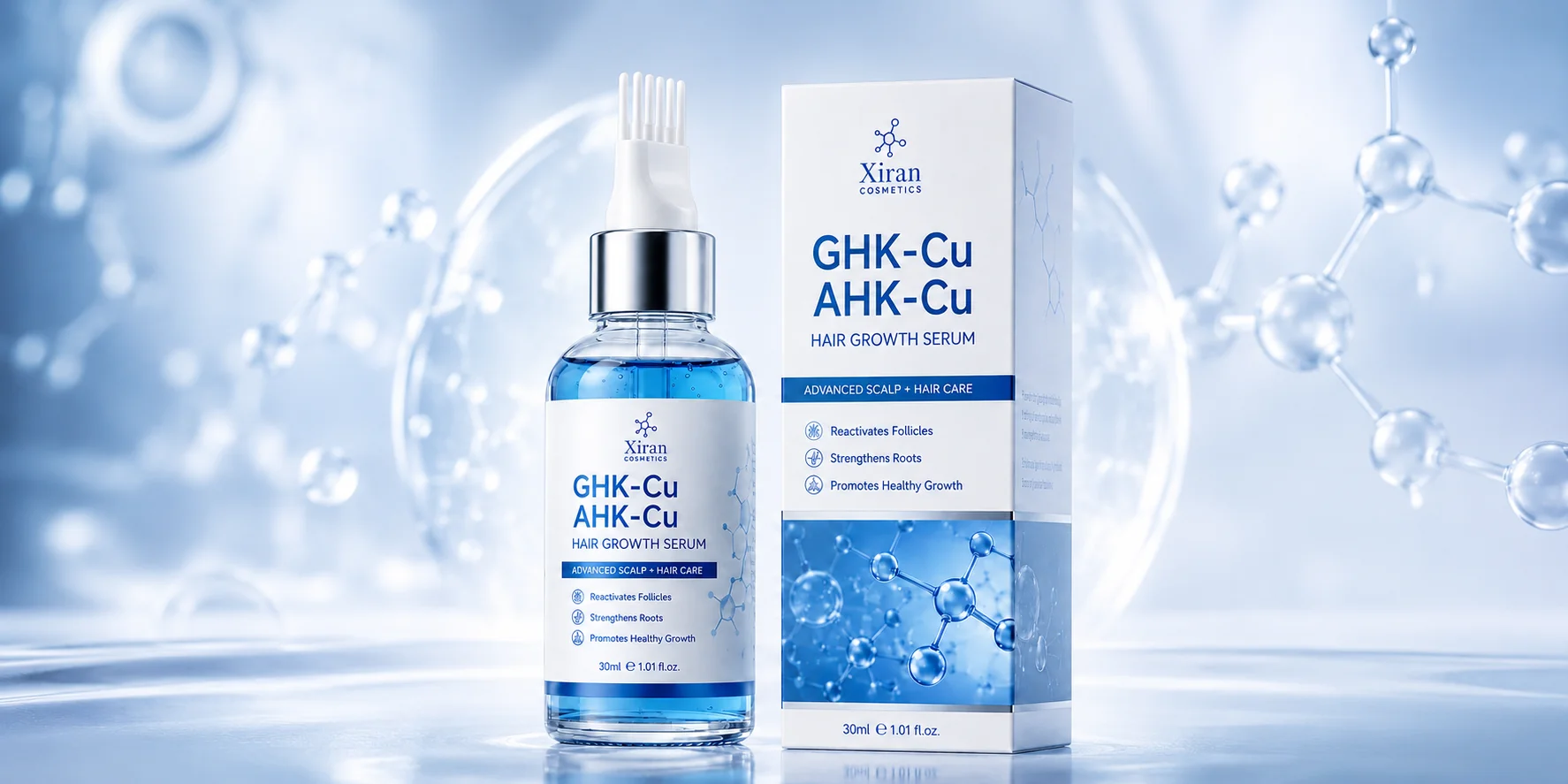
A private label GHK-Cu serum can be positioned as:
This product type is suitable for brands that want a high-performance product with a premium active ingredient story.
A GHK-Cu serum should usually be lightweight, smooth, and easy to layer with other skincare products.
Possible formula directions include:
Supporting ingredients may include:
The formula should be designed carefully to support stability, skin feel, and brand claims.
Texture is very important for a serum because it affects customer satisfaction and repeat purchase.
Common texture options include:
| Texture Type | Best For | Product Feel |
| Watery serum | Oily or combination skin | Light, fast-absorbing, fresh |
| Gel serum | All skin types | Smooth, hydrating, non-sticky |
| Essence serum | Asian-style skincare lines | Fluid, layerable, refreshing |
| Silky serum | Premium anti-aging products | Elegant, soft, smooth |
| Ampoule texture | Intensive treatment positioning | Concentrated, premium, professional |
For GHK-Cu serums, many brands prefer a light blue or transparent gel texture because it visually connects with copper peptide positioning. However, the final color should be evaluated based on formula stability and brand preference.
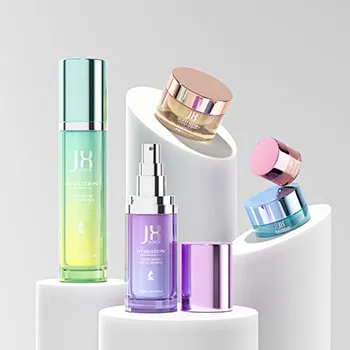
GHK-Cu serum packaging should look premium and protect the product.
Common options include:
For premium products, blue glass or frosted glass can help strengthen the copper peptide identity. Airless packaging can be a good choice for brands that want a cleaner, more professional, and more protective presentation.
A GHK-Cu face cream is ideal for brands that want to create a more nourishing, repair-inspired, and anti-aging skincare product.
Compared with serum, cream gives a richer skin feel and can support barrier care positioning more naturally.
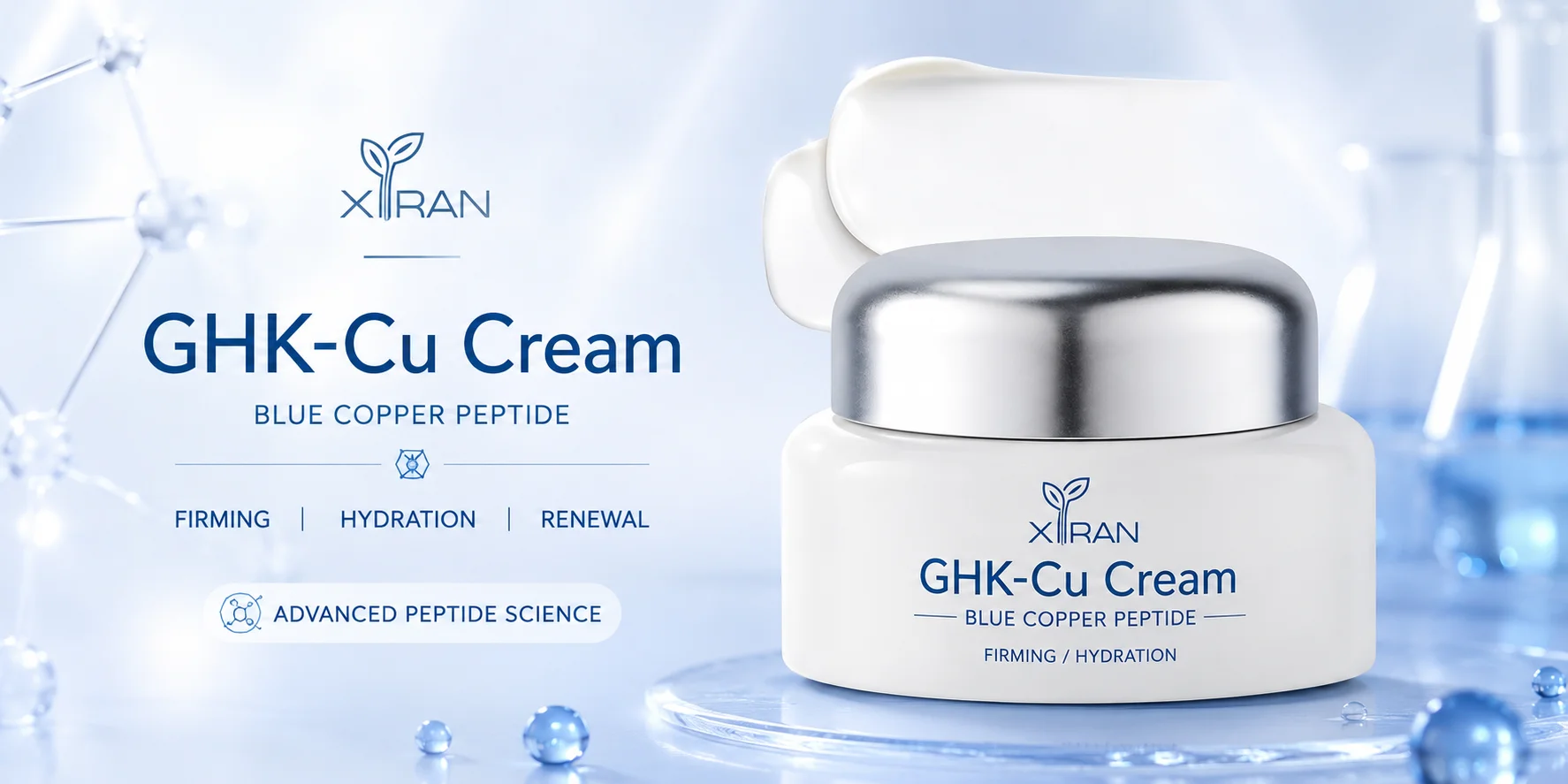
A private label GHK-Cu cream can be positioned as:
This product is suitable for brands targeting mature skin, dry skin, barrier-damaged-looking skin, sensitive-looking skin, and customers who prefer richer skincare textures.
A GHK-Cu cream can be designed around hydration, comfort, firmness, elasticity, and barrier support.
Suggested supporting ingredients include:
The formula can be developed as a daily moisturizer, night cream, intensive cream, or post-procedure inspired recovery cream.
Different textures can target different customers and price levels.
| Texture Type | Best For | Product Feel |
| Lightweight cream | Combination skin, daily use | Soft, fresh, non-greasy |
| Rich cream | Dry or mature skin | Nourishing, protective, premium |
| Gel cream | Younger customers, oily skin | Cooling, light, hydrating |
| Balm cream | Very dry skin positioning | Dense, comforting, occlusive |
| Sleeping cream | Night repair-inspired products | Smooth, cushiony, intensive |
For a premium GHK-Cu cream, a silky cream or gel-cream texture often works well. It feels advanced without being too heavy.
Packaging should match the product positioning.
Common options include:
For higher-end brands, an airless pump or premium glass jar can improve perceived value. For e-commerce brands, durable packaging and shipping protection should also be considered.
GHK-Cu eye patches are a strong product idea for brands that want a visual, premium, and easy-to-market skincare item.
Eye patches are popular because they are simple to use, photogenic, and suitable for social media content. They also work well in gift sets, spa products, travel skincare, and anti-aging eye care collections.
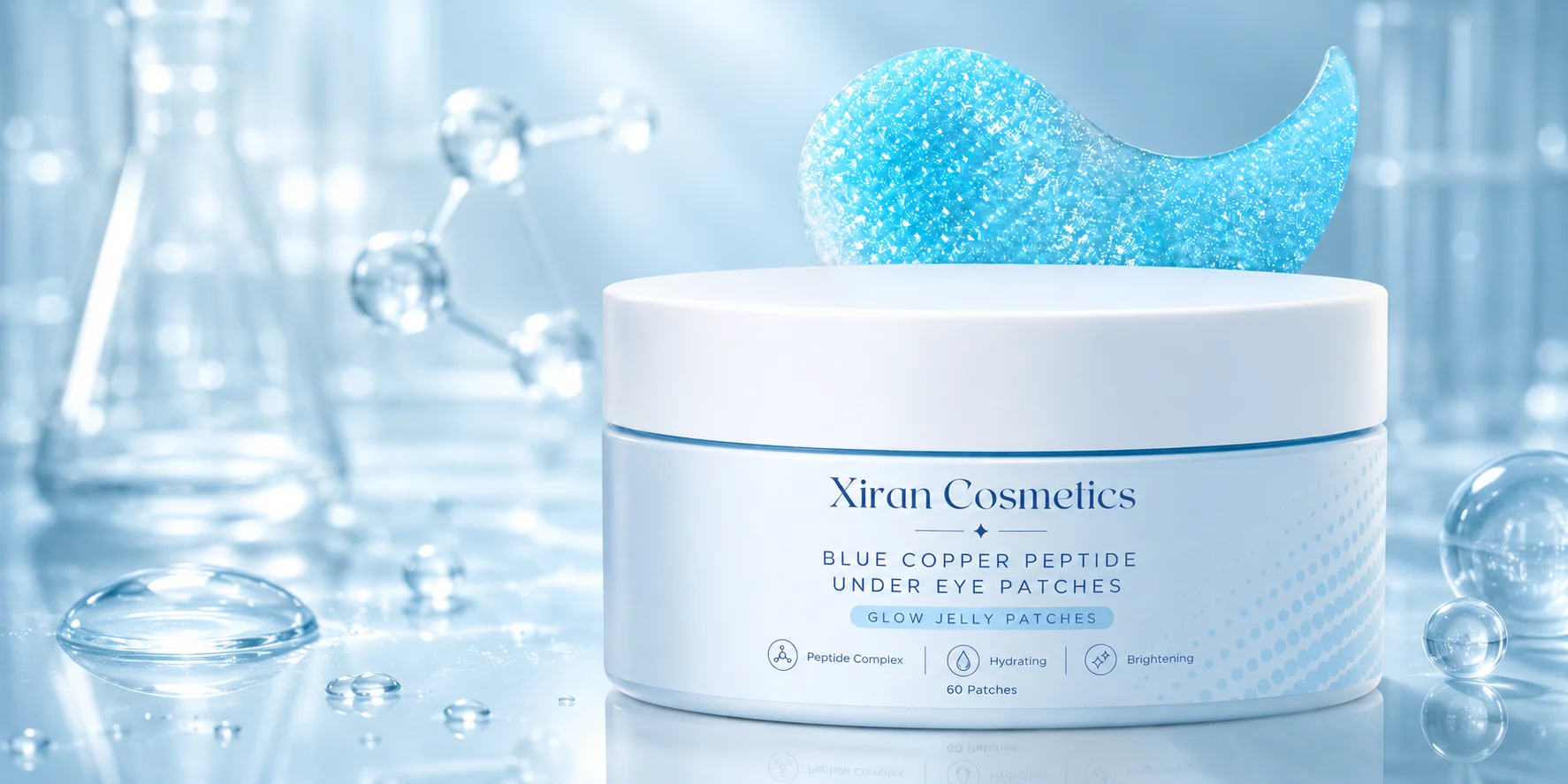
Private label GHK-Cu eye patches can be positioned as:
This format is especially suitable for brands targeting fine lines, dryness, dull-looking under-eye skin, tired-looking eyes, and premium self-care routines.
GHK-Cu eye patches should focus on hydration, comfort, smoothing, and firming appearance.
Suggested supporting ingredients include:
The formula can be designed as a hydrogel patch, bio-cellulose patch, or essence-soaked eye mask, depending on brand positioning and target cost.
The patch material affects product experience.
| Eye Patch Type | Best For | Product Feel |
| Hydrogel eye patches | Premium eye care | Cooling, elastic, smooth |
| Bio-cellulose eye patches | Advanced skincare positioning | Thin, close-fitting, high-end |
| Non-woven eye patches | Cost-effective product lines | Soft, simple, accessible |
| Gel essence patches | Spa and salon care | Moist, cooling, comfortable |
For GHK-Cu eye patches, hydrogel is often a strong choice because it looks premium and works well with blue peptide concepts.
Common packaging choices include:
For retail and e-commerce, jar packaging can create a strong visual effect. For salons, spas, and travel sets, individual sachets may be more practical.
Here are several product concepts that brands can develop with an OEM/ODM manufacturer.
| Product Concept | Main Product Type | Best Market Positioning |
| Blue Copper Peptide Serum | Serum | Premium anti-aging, firming, skin repair-inspired care |
| GHK-Cu Barrier Cream | Cream | Dry skin, sensitive-looking skin, barrier support |
| Copper Peptide Eye Patches | Eye patches | Hydrating, smoothing, tired-eye care |
| GHK-Cu Night Cream | Cream | Overnight repair-inspired anti-aging care |
| Peptide Repair Set | Serum + cream + eye patches | Premium skincare routine set |
| Post-Treatment Inspired Care | Serum + cream | Calming, barrier care, after-beauty-treatment routines |
| Luxury Eye Care Set | Eye patches + eye serum | Firming, hydrating, delicate eye-area care |
For many brands, the best strategy is to build a small product system instead of launching only one product.
For example:
This creates a complete copper peptide skincare routine and improves average order value.
Before developing a private label GHK-Cu product, brands should define the product concept clearly.
Important questions include:
The formula direction should match the target customer.
For example, a GHK-Cu serum for mature skin may focus on firmness, elasticity, and fine-line appearance. A GHK-Cu cream for dry skin may focus on barrier care, comfort, and nourishment. A GHK-Cu eye patch may focus on hydration, smoothing, and tired-eye care.
A good manufacturer should help the brand connect the ingredient story with texture, packaging, claims, and price point.
GHK-Cu is often connected with advanced skin care, but brands should use responsible cosmetic language.
Suitable cosmetic positioning may include:
Brands should be careful with strong medical-style claims such as:
The best strategy is to build a strong cosmetic product story without crossing into drug-style claims.
Packaging is very important for GHK-Cu skincare because the ingredient already has a premium image.
The packaging should communicate science, performance, and elegance.
For GHK-Cu serum:
For GHK-Cu cream:
For GHK-Cu eye patches:
GHK-Cu products can use a color direction such as:
This creates a strong visual connection with copper peptide, science, and premium skincare.
For brands targeting high-end customers, minimal packaging with clean typography often works better than overly busy designs.
Sample testing is one of the most important steps in private label GHK-Cu skincare development.
A brand should not approve bulk production based only on the ingredient list. The actual user experience matters.
Before the lab starts development, the brand should confirm:
A clear brief reduces development time and avoids repeated sample changes.
The manufacturer creates the first sample based on the product brief.
For GHK-Cu products, the lab should consider:
The brand should test the sample carefully.
For serum, check:
For cream, check:
For eye patches, check:
If needed, the manufacturer adjusts the formula.
Common adjustments include:
Before bulk production, the formula should be tested based on the project requirements.
Possible tests include:
Testing requirements depend on the product type, target market, and brand standards.
After the sample is approved, the brand confirms:
Only after these details are confirmed should bulk production begin.
A professional OEM/ODM manufacturer should provide a clear process from product idea to finished goods.
A typical process includes:
For brands, this process reduces development risk and makes the project easier to manage.
MOQ and lead time can vary depending on formula type, packaging choice, and customization level.
In general, mature formulas with existing packaging may have lower MOQ and shorter lead time. Fully customized formulas, custom molds, special packaging, or advanced testing may need longer development time.
Brands should discuss these details early:
For new brands, it may be better to start with a focused product line rather than too many SKUs at once.
A practical first launch could be:
This gives the brand a complete copper peptide skincare concept without making the project too complicated.
A strong product line should have a clear routine.
For example:
This type of set is suitable for e-commerce, holiday sales, salon retail, spa channels, and premium beauty brands.
GHK-Cu is important, but texture, packaging, stability, and user experience are just as important.
Brands should avoid medical-style claims and use suitable cosmetic language.
Packaging should also match formula stability, filling method, transport, and customer use habits.
For new brands, a focused product line is easier to test and market.
Sample testing helps identify texture, scent, packaging, and user experience problems before bulk production.
Developing private label GHK-Cu skin care products is more than a formula.
Brands require a manufacturing partner that can support formula development, active ingredient selection, texture customization, packaging sourcing, sample testing, quality inspection packaging,inspection,and export-ready production.

Xiran SkinCare offers OEM/ODM private label skincare development for skincare brands, including GHK-Cu serum, copper peptide cream, hydrogel eye patches, eye serum, facial cream, ampoules,inspection, mask aampoules,masks,nd complete skincare sets.
We can help with:
Whether your brand is looking to create a premium GHK-Cu serum, rich cingredientsa richopper peptide face cream a richcream,or blue copper peptide eye patches, we can help turn your concept into a market-ready private label product.
GHK-Cu skincare products are a great opportunity for brands that want to build a premium, science-driven cream,science-driven,and anti-aging skincare line.
Most private label projects begin with the GHK-Cu serum, GHK-Cu face cream, and GHK-Cu eye patches as the initial products. These formats are customer-friendly,cream, premium-positioning, and OEM / ODM development-friendly.
The success of the GHK-Cu product should not be based on one active ingredient. And finally, it must have the right formulation direction, a comfortable feel, appropriate packaging, responsible claims, meticulous sample testing, and reliable manufacturing.
For brands considering entering the copper peptide skincare category, working with an experienced private label manufacturer can ease the development process and eliminate unnecessary trial-and-error.