The halal cosmetics market is no longer a small part of the whole.
In the past ten years, there has been a huge rise in demand for halal-certified beauty products in North America, Europe, Southeast Asia, and the Middle East.
Halal certification is no longer just a religious requirement for many brands. It now means safe ingredients, clear production, and ethical manufacturing.
So, choosing the right halal cosmetics maker is now one of the most important things for private label brands, distributors, and beauty business owners who want to expand their businesses around the world.
This article lists 10 trustworthy halal cosmetics manufacturers from around the world and gives brands useful tips on how to choose the best long-term OEM partner.

A halal cosmetics manufacturer who is qualified does a lot more than just give out a certificate.
To make halal products, you need to have complete control over the whole supply chain, which includes:
Halal certification is often needed to register a product and sell it in places like Saudi Arabia, the UAE, Malaysia, Indonesia, and parts of Africa.
At the same time, halal cosmetics have become more popular with non-Muslim customers because they are linked to:
For a lot of international brands, getting halal certification has become both a marketing tool and a way to follow the rules.

When comparing halal cosmetics manufacturers, I would first distinguish between a factory that already holds valid halal certification for the relevant products and one that can develop halal-ready formulations and assist with certification. These are not necessarily the same service.
An OEM supplier may be experienced in sourcing suitable ingredients and maintaining controlled production procedures, but your finished skincare product may still require separate review before it can be marketed as halal-certified.
Before choosing a manufacturer, ask which certification body is involved, what products and production sites are covered, and whether that certification is recognized in your intended market. GMP or ISO 22716 compliance is valuable for cosmetic production quality, but it does not replace halal certification.
| Company | Country | Main Product Focus | OEM / Private Label |
|---|---|---|---|
| Sky Resources | Malaysia | Skincare, Personal Care, Makeup | OEM Manufacturing |
| Xiran Skincare | China | Skincare, Body Care | OEM/ODM, Certification Support |
| Dermascience Sdn Bhd | Malaysia | Skincare, Body Care, Hair Care | OEM/ODM |
| Amara Cosmetics | USA | Halal Makeup | Not Verified |
| BIOFIN Cosmetics | Turkey | Hair Care, Skincare | Private Label |
| DermoHalal Cosmetics | Turkey | Skincare, Body Care | Not Verified |
| Ivy Beauty Corporation | Malaysia | Body Care, Skincare, Hair Care | OEM/ODM |
| VNI Scientific Sdn Bhd | Malaysia | Skincare, Personal Care | OEM Manufacturing |
| Bo International | India | Herbal Skincare, Personal Care | Private Label |
| Everyday Herbal Beauty Care | India | Herbal Skincare, Hair Care | Contract Manufacturing |
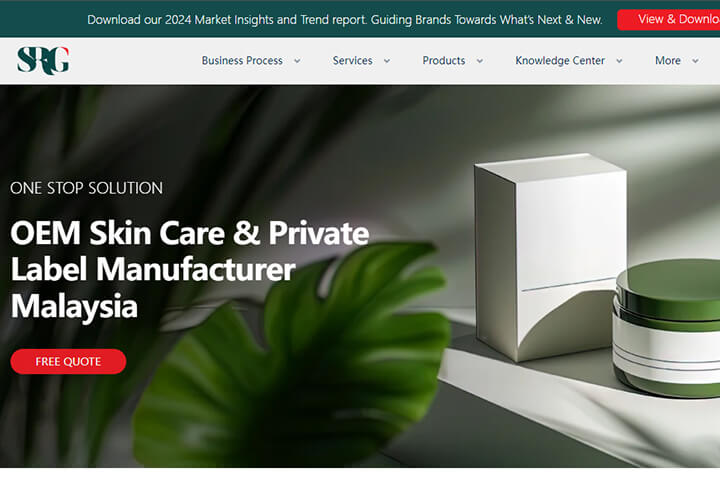
One of the Most Established Halal OEM Manufacturers in Malaysia
Sky Resources is a big player in Southeast Asia's halal cosmetics industry. The company has been making things for more than 30 years.
The company is based in Malaysia, which is known around the world as a center for halal certification. It makes skincare, personal care, and color cosmetics that are both GMP- and halal-certified.
It has strong export capabilities to Middle Eastern and ASEAN markets, as well as knowledge of regulations and natural formulations.
OEM/ODM Skincare Manufacturer with Halal Certification Support
Xiran Skincare is a China-based OEM and ODM manufacturer specializing in private label skincare, body care and personal care products. For brands developing halal-oriented product lines, the company supports custom formulation, ingredient sourcing, production documentation and coordination of certification requirements.
One practical advantage is its integrated laboratory and manufacturing operation. Brands can develop products around their target market, texture, ingredient preferences and packaging requirements without managing separate formulation and production suppliers.
Xiran's standard private label MOQ starts at approximately 1,000 units per SKU, with sampling typically taking 7–10 days and bulk production around 25–45 days after approvals. Halal certification, where required, involves separate verification and may extend the project timeline.

Halal-Certified Skin Care & Personal Care Manufacturer
Dermascience SDN BHD is a Malaysian OEM cosmetics and skin care products manufacturer with a GMP and Halal certified production plant. Established in 2015, the company offers customized OEM/ODM services for halal skincare, body care, hair care and related personal care products, focusing on natural ingredients and quality control for global brand partners.

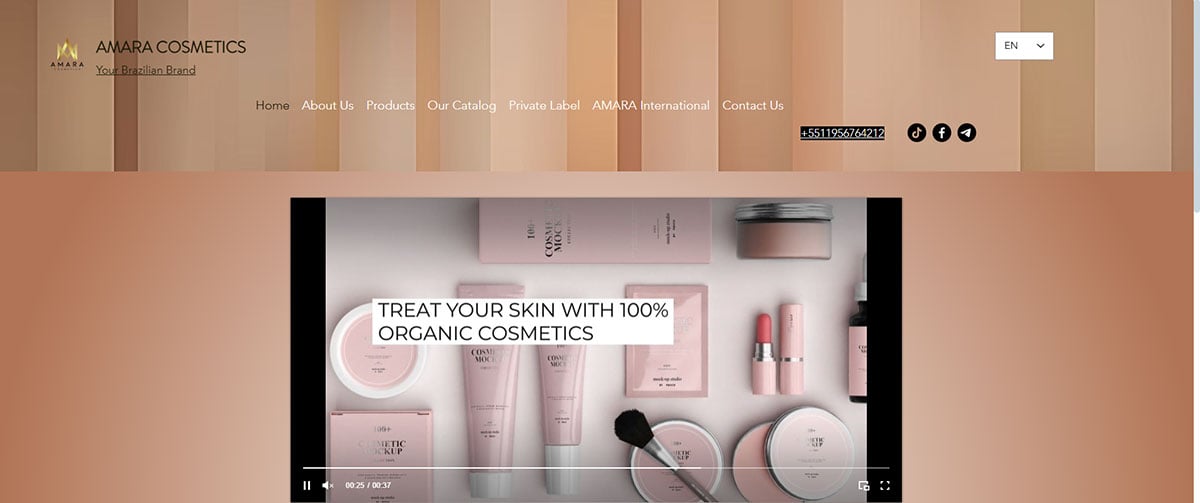
North American Cosmetics Manufacturer with Halal Certification
Amara Cosmetics is one of the most well-known halal-certified companies in the US.
It has foundations, lip products, eye makeup, and some skincare items in its product line, all made under strict quality management systems.
Amara is a good fit for brands that want to reach North American consumers who are multicultural and care about halal.
OEM Personal Care & Halal-Friendly Manufacturer
BIOFIN Cosmetics is an Istanbul-based cosmetics producer established in 1984, offering professional hair care, skin care, men’s grooming, baby care and body care products. The company supports private label production for international distribution, including markets in the Middle East and Europe, and aligns with halal manufacturing readiness

Halal-Focused Cosmetics Brand with Turkey Presence
DermoHalal Cosmetics is a Turkish halal cosmetics brand offering skin and body care products formulated to meet halal standards. Its products are positioned for Muslim consumers seeking rigorously certified personal care items, and the brand markets products internationally. (Industry listings show real operations with online presence.)

OEM Manufacturer of Halal Skincare and Personal Care
Ivy Beauty Corporation makes skincare, body care, and hair care products that are halal-compliant.
It is a trustworthy partner for brands that want to enter markets with a lot of Muslims because it knows how to handle export paperwork and follow halal rules.

GMP & Halal Certified Cosmetic OEM Manufacturer
VNI Scientific SDN BHD is a Malaysian cosmetic OEM manufacturer providing halal-certified personal care and skincare solutions. The company supports formulation, production, and packaging of halal-compliant products, including hair care, body care, and daily personal care items, under stringent GMP and JAKIM halal standards. VNI combines sustainability and quality to serve global brand partners.

Private Label Manufacturer of Natural and Herbal Halal
Bo International is an Indian cosmetics company that makes herbal and plant-based products.
The company supports halal-friendly production, low minimum order quantities (MOQs), and shipping to more than 50 countries around the world.

Halal-Friendly Herbal Cosmetics OEM
Everyday Herbal Care makes hair and skin care products from plants. They also help with international documentation and make private label products.

Brands should think about the following things before choosing a halal cosmetics maker:
A good halal partner should help with more than just making things. They should also help with coordinating certification, making sure labels are correct, and keeping supplies stable over the long term.
For halal skincare OEM projects, the most important questions often concern ingredients that can come from different sources. Glycerin, stearic acid, collagen, gelatin, certain colorants and fragrance components may require additional documentation. An INCI name alone does not always establish whether its source meets halal requirements.
I would ask the manufacturer for ingredient-origin statements, relevant supplier documentation and details of its batch traceability and cleaning controls. This makes it easier to identify potential formulation changes before samples and packaging are approved.
Certification requirements also depend on where the finished products will be sold. In Malaysia, brands can review certification information through the official JAKIM Halal Portal and consider the applicable MS 2634:2019 requirements for halal cosmetics.
Indonesia's BPJPH has announced mandatory halal certification requirements covering cosmetics from October 18, 2026. Brands preparing to enter Indonesia should therefore confirm the applicable certification procedures, ingredient documentation and labeling requirements before starting commercial production.
For an international private label project, I recommend checking destination-market recognition of the certifying body rather than assuming that a certificate issued in one country will automatically be accepted elsewhere.
Halal cosmetics are no longer just for a small group of people.
They are at the crossroads of ethical manufacturing, clean beauty, and following all the rules around the world.
For private label brands that want to grow in the Middle East, Southeast Asia, or multicultural Western markets, working with a halal-certified manufacturer who has been in business for a long time is usually the best way to go.
A good partner doesn't just help you make things; it also gives you the confidence to enter new markets.