Exosomes have rapidly emerged as one of the most discussed biotechnology-driven ingredients in the global skincare and regenerative aesthetics industry. Positioned at the intersection of cell biology, dermatology, and non-invasive aesthetic treatments, exosomes are increasingly viewed as a next-generation solution for skin rejuvenation, repair, and advanced delivery systems.
This article translates the key insights from an industry presentation into a structured, readable report, focusing on market trends, scientific background, functional benefits, and application technologies, rather than product promotion.
Exosome,as an emerging biotechnology ingredient, are rapidly rising in the field of skincare. It originates from nanoscale vesicles derived from stem cells or plants, which can promote cell
regeneration, repair, and anti-aging.
Industry data indicates that the global exosome skincare and regenerative aesthetics market is experiencing accelerated growth. Current projections estimate the market will reach approximately USD 1.2 billion by 2025, with further expansion to nearly USD 3.9 billion by 2032, reflecting a compound annual growth rate (CAGR) of around 9.9%.
More optimistic forecasts focused on regenerative aesthetics suggest even faster momentum. In this segment, the exosome product market is projected to grow from USD 0.81 billion in 2024 to USD 1.69 billion by 2034, with CAGR estimates reaching 35% or higher, driven by clinical adoption and premium skincare demand.

Several factors are contributing to this growth:
Social and web-based trend analysis suggests that discussions around exosome skincare are expected to intensify, particularly around themes such as skin regeneration, pore refinement, and microneedle-like effects without traditional injections.
Market observations show that the most commercially successful exosome-based products are concentrated in serum and essence formats. These formats allow for higher perceived efficacy, faster absorption, and easier integration into professional or at-home routines.
Across global markets, exosome products are positioned in both premium and mass segments, with strong traction in:
The common positioning emphasizes regeneration, skin repair, and advanced delivery, rather than basic hydration or surface-level benefits.
Exosomes are nanoscale extracellular vesicles, typically ranging from 40–100 nanometers in diameter. First identified in the 1980s, they were later recognized as a key mechanism for cell-to-cell communication.

These vesicles carry a variety of biologically active components, including:
Exosomes are secreted by many cell types, such as immune cells, epithelial cells, mesenchymal stem cells, and plant cells. Their ability to transmit biological signals makes them relevant not only in diagnostics and drug delivery, but also in medical aesthetics and skin regeneration.
Research suggests that exosome-derived signaling can influence pathways related to collagen synthesis. By regulating oxidative stress and inflammatory mediators, exosomes may support increased production of type I collagen and improved skin elasticity, contributing to visible anti-aging effects.
Exosomes are widely discussed for their role in supporting skin repair processes. Their protein and lipid components may help improve skin hydration, smoothness, and overall texture, making them relevant for post-treatment recovery and barrier support.
Through their bioactive signaling components, exosomes may assist in regulating responses to environmental stress, helping reduce uneven tone and the appearance of discoloration over time.

Beyond cosmetic improvement, exosomes have gained attention for their role in skin recovery and barrier repair. Studies indicate that exosome-based solutions may help:
In conditions such as atopic dermatitis, exosome signaling has been associated with improved hydration and reduced inflammatory cytokine expression, highlighting their broader dermatological relevance.
One of the most significant trends in exosome applications is the integration with enhanced delivery technologies. Among these, hydrolyzed sponge-based microstructures have attracted attention as a non-invasive alternative to traditional microneedling.
These micro-scale structures can create temporary microchannels on the skin surface, allowing active ingredients to reach deeper layers more efficiently. When combined with exosome-based formulations, this approach aims to:
Clinical observations suggest that combination approaches outperform single-method treatments in improving wrinkles, elasticity, hydration, and pigmentation balance over time.
Comparative evaluations using imaging and measurement tools have shown that treatments combining exosomes with enhanced delivery techniques demonstrate superior outcomes in:
These improvements tend to become more pronounced after several weeks, aligning with natural skin regeneration cycles rather than immediate cosmetic effects.
The exosome sector is transitioning from early-stage innovation to structured commercialization. Rather than standalone miracle ingredients, exosomes are increasingly positioned as core components within integrated regenerative systems, combined with delivery technologies and formulation science.
Looking ahead, industry experts expect continued expansion in:
As regulatory frameworks and standardization evolve, exosomes are likely to become a defining element of next-generation skincare and regenerative beauty solutions.
Exosomes represent a fundamental shift in how skincare and aesthetic treatments approach regeneration and repair. Supported by growing market demand, advancing delivery technologies, and expanding scientific understanding, exosomes are no longer a niche concept but a central topic in the future of skin health innovation.
This industry report highlights how market forces, biology, and technology are converging to shape the next phase of regenerative aesthetics.
Exosomes have gained popularity due to their role in cell signaling and regeneration support. Brands and clinics are increasingly interested in exosomes as advanced functional ingredients that align with non-invasive, science-driven skincare trends.
Recent industry trends show that exosomes are most commonly adopted in professional skincare and aesthetic applications, with growing expansion into high-performance at-home products through controlled formulations.
Over the past six months, demand has focused on plant-derived and cell-culture-derived exosomes, as these sources offer better formulation stability and broader regulatory acceptance across global markets.
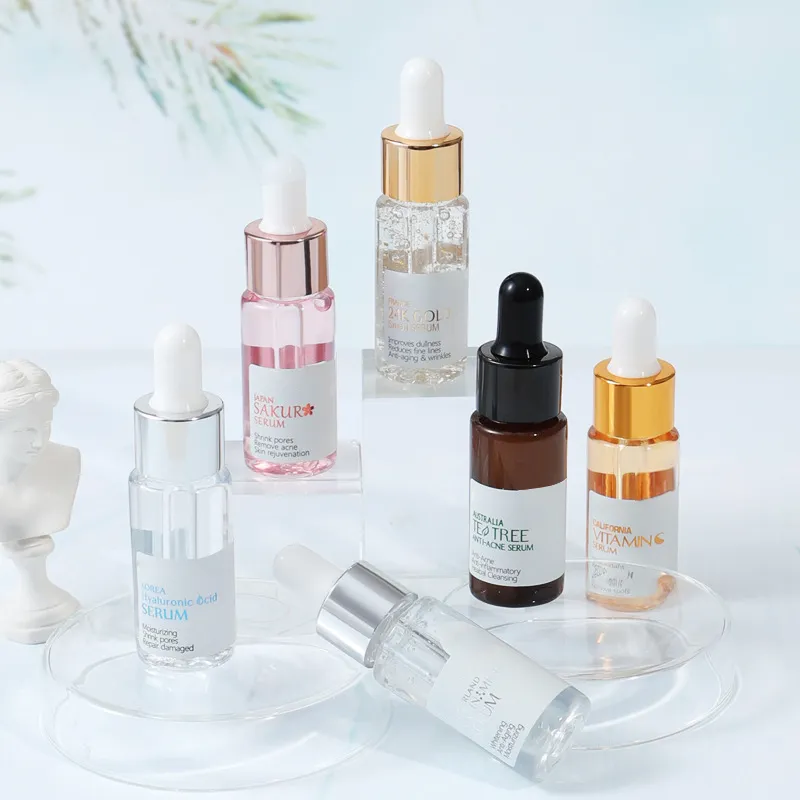
Serums, ampoules, and essence-type products remain the most popular formats, as they allow better control of concentration, absorption, and perceived efficacy in both professional and retail channels.
Over the past six months, demand has focused on plant-derived and cell-culture-derived exosomes, as these sources offer better formulation stability and broader regulatory acceptance across global markets.