Finding the best organic skin care brands is not as simple as picking the prettiest bottle on the shelf.
I have seen many skincare products use words like natural, clean, botanical, green, organic, plant-based, and eco-friendly. Some brands use these terms carefully. Others use them mostly for marketing.
That is why I always suggest looking deeper before choosing an organic skin care brand.
A good organic skincare brand should not only use plant-based ingredients. It should also care about ingredient sourcing, formula safety, product texture, certification transparency, packaging, and long-term skin comfort.
In this guide, I will share 8 organic and natural-focused skin care brands worth knowing. Some are strongly connected with certified organic formulas. Others are more natural, farm-sourced, or clean beauty brands that many organic skincare shoppers also compare when building a more conscious skincare routine.
My goal is not to say every brand is perfect. Instead, I want to help you understand what each brand is known for, who it may suit, and what to check before buying.

Before looking at the brands, I think it is important to understand one thing: organic skin care is not the same as natural skin care.
Natural skincare usually means a formula includes ingredients from natural sources, such as plant oils, botanical extracts, clays, waxes, or essential oils. But the word “natural” can be broad.
Organic skincare usually refers to ingredients grown under organic farming standards. In many markets, certified organic products must follow stricter rules related to ingredient origin, farming, processing, and labeling.
This is why I do not judge a skincare product only by the word “organic” on the front label.
I prefer to check:
Organic skincare should still feel good, work well, and suit your skin type.
Organic and natural skincare are often discussed together, but they are not identical.
Natural skincare focuses on ingredients from natural sources. Organic skincare focuses more specifically on how those ingredients are grown and certified.
For example, a facial oil may use natural plant oils, but those plant oils may not be organically grown. Another cream may include organic aloe vera or organic chamomile, but the full formula may not be certified organic.
This is why I recommend reading beyond the brand name.
A product can be natural but not organic. A product can contain organic ingredients but not be fully certified organic. A product can also be certified organic but still not be suitable for every skin type.
Organic does not automatically mean better for everyone. Sensitive skin can still react to essential oils, botanical extracts, or natural fragrance. Acne-prone skin may not like some rich plant oils. Dry skin may need more barrier support than a lightweight botanical gel can provide.
The best choice depends on your skin, your climate, and your expectations.
Organic: Raw materials approved by professional organizations, meeting organic cultivation requirements.
Certified Organic: Highest level; undergoes strict testing to determine the percentage of organic ingredients (10-95%).
My country has no specialized standards for organic cosmetics from authoritative certification bodies.
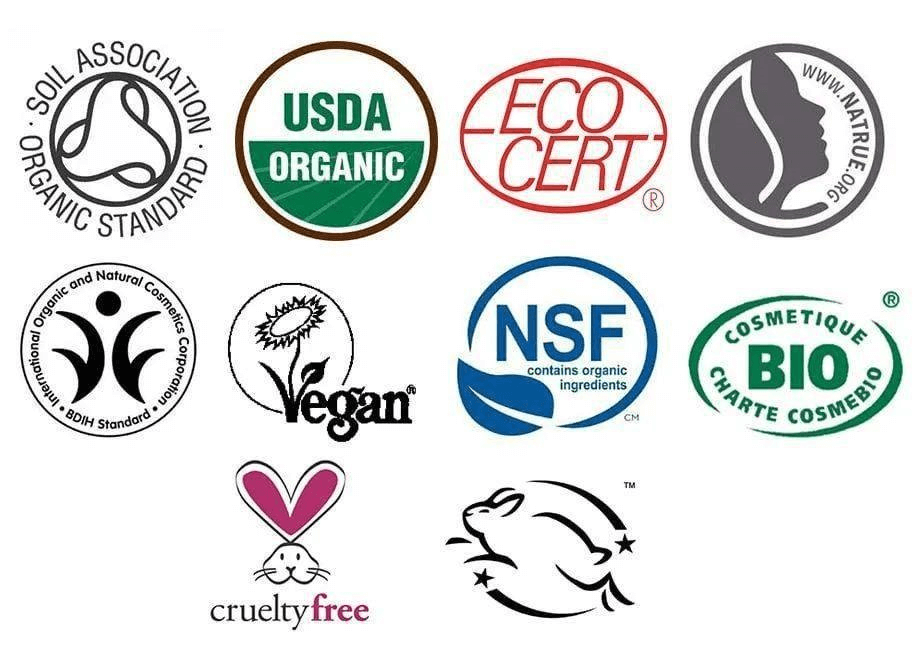
① USDA certification: the most authoritative organic certification in the United States. Products with the USDA logo printed on the product packaging are officially certified to use 100% organic ingredients and are pure natural skin care products.
② ECO-CERT certification: It enjoys a good reputation internationally, with businesses in more than 70 countries, and consumers and the organic industry generally recognize its certification mark. It is also a green channel for foreign organic products to enter the Chinese organic market.
③ OTCO certification: an internationally recognized symbol of organic integrity certification.
④ NSF certification: US National Sanitation Foundation certification.
These represent the highest level of organic products globally.
| Brand | Best For | Brand Style |
| Farmacy | Clean beauty and farm-sourced skincare | Modern, fresh, ingredient-led |
| NEOM | Body care and wellbeing rituals | Aromatherapy, bath and body, mood-focused |
| Pai | Sensitive skin | Gentle, certified natural, skin-kind formulas |
| Jurlique | Botanical skincare | Farm-grown actives, seed-to-skin philosophy |
| Mádara | Nordic organic skincare | ECOCERT/COSMOS-focused, science and botanicals |
| Naobay | Sustainable natural skincare | Eco packaging, natural and organic positioning |
| Korres | Greek natural skincare | Pharmacy heritage, Greek botanicals |
| PHYT’S | Certified organic professional skincare | French organic spa and salon care |
Farmacy is one of the better-known clean beauty brands for people who like botanical skincare with a modern, results-focused feel.
What I like about Farmacy is that the brand does not feel old-fashioned. Many organic or natural skincare brands can feel too heavy, too oily, or too strongly scented. Farmacy has a fresher style. Its products often focus on honey, botanicals, hydration, cleansing, and glow.

The brand is often associated with a “farm-to-face” skincare idea. That makes it attractive to consumers who want ingredients that feel closer to nature but still want a polished product experience.
Farmacy may suit you if you want natural-inspired skincare that still feels modern and easy to use.
Best For: Farmacy is a good option for people who want clean beauty, gentle daily skincare, cleansing balms, honey-based hydration, and botanical formulas with a more contemporary texture.
What to Check Before Buying: Not every Farmacy product should be treated as a certified organic product. I would check individual ingredient lists, product claims, and certification details before buying if organic certification is your top priority.
NEOM is more than a traditional facial skincare brand. I see it as a wellbeing and body care brand built around natural fragrance, essential oils, bath products, body care, and mood-related rituals.
If you are looking for a full organic facial routine, NEOM may not be the first brand I would choose. But if you care about relaxing self-care, bath rituals, body moisturizers, candles, essential oil blends, and sensorial wellness products, NEOM is worth knowing.

The brand has a strong aromatherapy identity. Its products are often built around sleep, stress, energy, and mood.
This makes NEOM different from many organic skincare brands that focus mainly on facial creams and serums.
Best For: NEOM is best for people who want natural fragrance, body care, bath products, and a more emotional self-care experience.
What to Check Before Buying: If your skin is sensitive to essential oils or fragrance, check the ingredients carefully. Natural fragrance can still irritate some skin types.
Pai is one of the brands I would seriously consider for sensitive skin.
The brand has built a strong reputation around gentle formulas, skin compatibility, and natural skincare for people who do not want aggressive products. I like that Pai does not feel like a trend-only brand. It has a clear purpose: making skincare that feels kind to reactive or easily irritated skin.
Pai is especially known for face oils, calming products, cleansers, and sensitive-skin routines.

For people who want organic or natural skincare but worry about irritation, Pai is one of the more thoughtful brands to explore.
Best For: Pai is best for sensitive, reactive, dry, or easily irritated skin. It may also appeal to people who prefer gentler routines instead of strong actives.
What to Check Before Buying: Even gentle natural products can cause reactions in some people. If your skin is very reactive, patch test first and introduce one product at a time.
Jurlique has a strong botanical identity and a long-standing “seed to skin” philosophy.
What makes Jurlique interesting is its connection to farm-grown plant actives. The brand has a calm, premium, nature-driven image. It does not feel like a fast trend brand. It feels more like a slow beauty brand built around botanical cultivation, extraction, and skincare rituals.

Jurlique is especially well known for rose-based products, face mists, hand creams, oils, and moisturizers.
If you like skincare that feels elegant, botanical, and sensorial, Jurlique may be a good fit.
Best For: Jurlique is best for people who enjoy botanical skincare, soft textures, floral ingredients, and a more premium natural beauty experience.
What to Check Before Buying: Some Jurlique products may include fragrance or aromatic plant ingredients. If your skin is sensitive, check the formula before using it on your face.
Mádara is one of the strongest brands on this list if you are looking for certified natural and organic positioning.
The brand comes from Latvia and has a Nordic skincare identity. I like Mádara because it combines natural ingredients with a more scientific and modern product style. It does not only rely on “plants are good” messaging. It also focuses on performance, skin feel, and product development.
Mádara offers facial skincare, body care, sunscreen, makeup, and targeted products. The brand is often associated with ECOCERT and COSMOS standards, which makes it attractive to shoppers who care about certification.

Best For: Mádara is best for people who want certified natural or organic skincare with a modern European feel. It may suit consumers who want both botanical ingredients and visible skincare benefits.
What to Check Before Buying: As always, check each product individually. Certification and organic content may vary by product type and formula.
Naobay is a Spanish natural and organic beauty brand with a strong focus on sustainability and packaging.
The brand name stands for “Natural And Organic Beauty And You,” which clearly shows its positioning. Naobay is often recognized for its eco-conscious packaging style, including the use of wood details, recycled materials, and recyclable packaging elements.
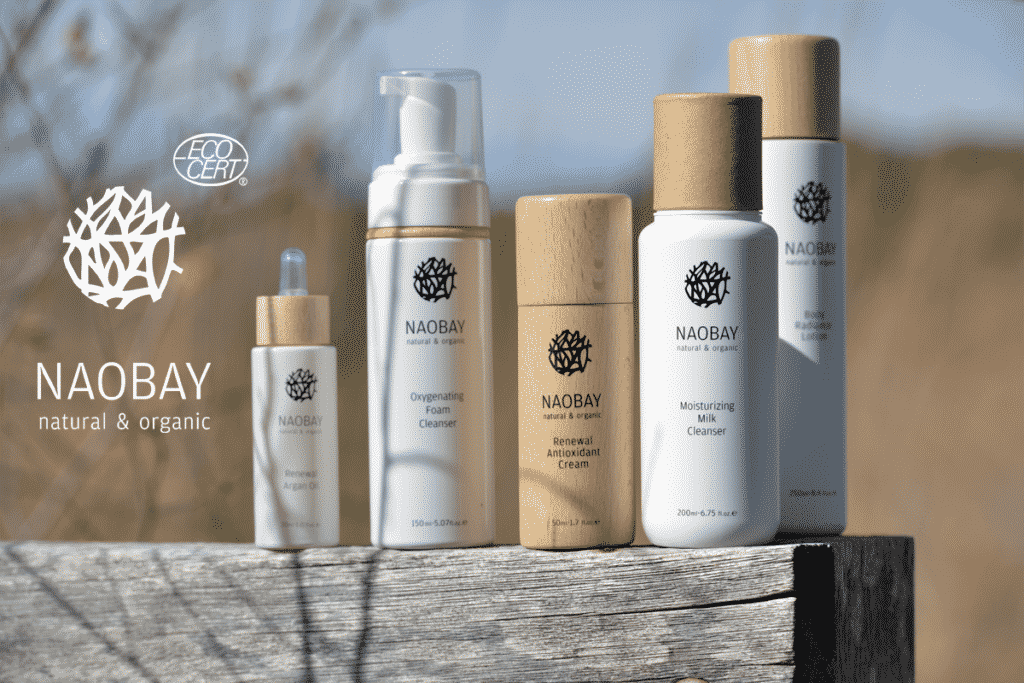
I think Naobay is a good brand to know if you care about both formula and packaging. Many organic skincare shoppers also care about environmental impact, so packaging becomes part of the purchasing decision.
Naobay’s style is clean, simple, and approachable.
Best For: Naobay is best for people who want natural and organic skincare with sustainable packaging and a softer, minimalist brand feel.
What to Check Before Buying: If certification matters to you, check the certification details on each product. Do not rely only on the brand name or packaging style.
Korres is a Greek natural skincare brand with pharmacy roots and a strong connection to Greek botanicals.
I see Korres as a good option for people who want natural-inspired skincare but still care about product performance and texture. The brand is known for ingredients such as Greek yoghurt, wild rose, black pine, pomegranate, and olive.

Korres does not feel like a small niche organic brand. It feels more like a well-developed beauty brand with natural ingredient storytelling, product research, and broad consumer appeal.
If you like Mediterranean skincare, Greek ingredients, and rich product stories, Korres is worth exploring.
Best For: Korres is best for people who want Greek natural skincare, body care, moisturizers, cleansers, and ingredient-led beauty products.
What to Check Before Buying: Korres is more of a natural and clean beauty brand than a simple “fully organic” brand. If you want certified organic skincare, review the specific product claims carefully.
PHYT’S is one of the most organic-focused brands on this list.
The brand has a long history in French organic skincare and professional beauty care. It is often connected with spa, salon, and certified organic cosmetic standards.
What I like about PHYT’S is that it feels serious. It is not only about pretty packaging or trendy plant extracts. The brand has a professional skincare identity and a strong connection to certified organic beauty.
PHYT’S may not be as mainstream as some modern clean beauty brands, but it is highly relevant for people who specifically want certified organic skincare.

Best For: PHYT’S is best for people who want French certified organic skincare, professional spa-style products, and a more traditional organic beauty approach.
What to Check Before Buying: PHYT’S may be easier to find in certain markets than others. Availability can depend on your country, distributor, or professional beauty channel.
Not always.
Organic skincare can be a good choice for people who care about plant-based ingredients, farming standards, ingredient sourcing, and sustainability. But it is not automatically better for every skin concern.
Some conventional skincare products are very well formulated, stable, safe, and effective. Some organic skincare products may not suit sensitive or acne-prone skin because of essential oils, rich plant oils, or natural fragrance.
The best approach is balanced.
I like organic skincare when the formula is well designed, transparent, safe, stable, and pleasant to use. I do not choose a product only because it says “organic.”
If you are new to organic skincare, I would start with simple products.
Do not replace your entire routine at once.
Good starter products include:
I would be more careful with strong exfoliants, essential oil blends, and active treatment products. These should match your skin tolerance.
For skincare brands, the organic beauty market offers many useful lessons.
Consumers are not only buying a cream or serum. They are buying a story, a value system, and a product experience.
The best organic skin care brands usually have a clear position:
This matters for private label skincare brands.
If you want to create an organic or natural skincare line, do not start with “I want an organic product.” Start with a clearer concept.
For example:
A clear concept makes formula development, packaging, price positioning, and marketing much easier.
At Xiran Skincare, we support private label skincare brands with OEM and ODM product development, including natural-inspired and organic-positioned skincare concepts.

For brands planning an organic or natural skincare line, we can help with formula direction, ingredient selection, texture adjustment, packaging matching, sample testing, bulk production, and export support.
Common product directions include:
For organic-positioned products, I always suggest discussing the target market first. The requirements for the U.S., EU, UK, Middle East, and other markets may be different.
A product that works for one market may need different documentation, claims, packaging language, or certification support in another market.
That is why product planning should include formula, packaging, compliance, marketing claims, and customer expectations from the beginning.
The best organic skin care brands are not only brands that use plant ingredients. They are brands that combine ingredient transparency, responsible sourcing, product safety, good texture, and a clear skincare philosophy.
Farmacy, NEOM, Pai, Jurlique, Mádara, Naobay, Korres, and PHYT’S each show a different side of organic and natural beauty.
Some focus on certification. Some focus on sensitive skin. Some focus on farm-grown botanicals. Some focus on wellbeing, sustainability, or professional organic care.
If you are choosing products for yourself, look beyond the front label. Read the ingredient list, check certifications, understand your skin type, and choose products you will use consistently.
If you are building a skincare brand, study what these brands do well. A strong organic skincare line needs more than natural ingredients. It needs a clear concept, stable formulas, suitable packaging, honest claims, and a product experience that customers want to repeat.