Madagascar is one of those places where the ingredient story is real, not manufactured by a marketing team. When a brand tells me it wants “botanical actives,” “traceable sourcing,” or a truly differentiated origin story, Madagascar often comes up—because the country is known for high-value natural inputs like essential oils and plant oils that fit clean beauty positioning.
But here’s the practical reality: in Madagascar, you’ll meet two very different kinds of “cosmetics manufacturers”:
This guide is written like I’d build a real RFQ shortlist: I’ll tell you what each company seems best at publicly, what I’d verify during RFQ, and how I’d match them to your product plan.

| Company | Based in | What they are (in plain terms) | Best fit for |
|---|---|---|---|
| RENALA | Madagascar | Botanical ingredients + natural/organic cosmetics | Certified/traceable oils & actives; clean beauty sourcing |
| MIHANTA COSMÉTIQUES | Madagascar | Luxury natural cosmetics brand | Premium soaps/oils; boutique/spa storytelling |
| Les Joyaux de Madagascar | Madagascar | Certified organic/natural brand | Ecocert/COSMOS Organic + spa/wellness lines |
| SOMAPRO | Madagascar | Local manufacturer + distributor (multi-category) | Everyday cosmetics/hygiene; haircare lines; mass/local retail |
Renala is the Madagascar partner I look at when I need traceable botanical ingredients and natural/organic positioning, especially if my brand is building an “origin + sustainability” story. They present themselves around natural and organic cosmetics and also show a deep ingredient view tied to Madagascar biodiversity.

Renala is strongest as an ingredient partner (vegetable oils, botanicals) and also presents finished natural cosmetics. In RFQ, I would clarify: are you sourcing ingredients only, or do you want finished products / private label?
If I were building a Madagascar-sourced clean line, I’d explore:
They position around sustainable supply chains and certified production. In RFQ, I’d ask for: traceability documents, certificate scope, spec sheets, allergen/fragrance disclosures where relevant, and export-ready paperwork.
Best for: clean beauty brands that want Madagascar-origin botanicals with certification/traceability signals and a strong sourcing narrative.
Mihanta Cosmétiques is the Madagascar brand I look at when I want luxury natural positioning with a founder-led story. Their public messaging leans heavily into tradition + science, and they frame the line as natural luxury without colorants or preservatives (as stated on their main page).
Their public product pages show a range that includes soaps and treatment-style natural cosmetics using Malagasy ingredients (e.g., baobab oil references).

If I were approaching them as a manufacturing/partner option, I’d explore:
They present primarily as a brand. If you want OEM/ODM, I would directly verify whether they offer private label / contract manufacturing, what batch sizes look like, and what their testing/documentation pack includes.
Best for: premium natural brands and boutiques that want a Madagascar luxury story—especially if soaps/oils are your core hero products.
Les Joyaux de Madagascar is the one I look at when the brand brief is “certified organic luxury”—the kind of range that can sit in organic shops, spas, and premium wellness retail. They publicly highlight Ecocert/COSMOS and Cosmébio labeling, plus a long-running professional ecosystem (Cosmébio directory mentions support since 2004).
They present as a certified brand with therapeutic-style products and professional distribution.

If I were building a Madagascar-certified organic line, I’d explore:
They clearly support distribution/wholesale. For OEM/ODM, I’d verify whether they accept private label projects or if they’re brand-only (and what documentation they provide to professional resellers).
Best for: organic retailers, spas, and wellness brands that want Ecocert/COSMOS + Cosmébio signals attached to a Madagascar plant-synergy story.
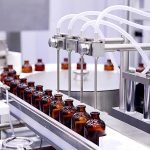
SOMAPRO is the Madagascar manufacturer I look at when I want real local production capacity across everyday categories—not just “a beautiful natural story.” They state they were established in 2017 and describe formulation, production, and distribution across hygiene products, cosmetics, and parapharmaceutical products, with specific beauty brands under their umbrella (VAO SHAMPOOING, MAGNEVA, etc.).
They publicly state their beauty products are developed under brands including VAO SHAMPOOING and MAGNEVA, and TSARA for para-pharmacy range products made largely with Madagascar natural products.

This is where SOMAPRO becomes very “RFQ friendly” because the product pages are concrete:
They position as a manufacturer and distributor. If you want private label/contract manufacturing, I’d ask directly: which categories they accept for OEM, packaging/filling capabilities, batch sizes, and what their documentation pack looks like for export.
Best for: brands and distributors that want a Madagascar-based, operationally real manufacturer capable of everyday cosmetics/hygiene ranges (especially haircare).
Madagascar is becoming a more interesting place for beauty sourcing because brands are leaning harder into natural origin stories, traceable botanicals, and certification-backed supply chains—and Madagascar’s essential oil export profile supports that role in the global ecosystem.
The companies on this shortlist have very different strengths: Renala reads strongest as a certified/traceable botanical partner, Les Joyaux and Mihanta lean into premium natural brand storytelling (with varying degrees of private label suitability), and SOMAPRO looks like the most “factory-like” option with real consumer-category breadth, especially in haircare.
If you match your product plan to the right partner type (ingredients vs finished goods), then pressure-test everything through samples, packaging fit, and a clean paperwork pack, you can build Madagascar-linked cosmetics that launch smoothly and scale credibly in Western markets.
Madagascar is especially strong for ingredients (essential oils, botanical oils). Export data supports that essential oils are a meaningful category for the country.
Finished cosmetics manufacturing exists (e.g., SOMAPRO), but your best path depends on whether you want local consumer products or export-grade private label.
Treating it as one thing. In practice you need to decide:
Or do you want a local factory making finished goods (Somapro-type partner)?
Do you want certified/traceable ingredients (Renala-type partner)?
If you’re selling into EU/UK clean retailers, COSMOS/Ecocert and fair-trade style programs can be meaningful trust signals—just confirm the scope (site/product coverage)
I’d ask for:
Export experience + lead times
For SOMAPRO specifically, I’d also ask which beauty categories they accept for OEM beyond their in-house brands
MOQ (by SKU and packaging format)
Stability + micro testing plan (what’s included vs extra)
Documentation pack (COA/specs/traceability/certificates scope)