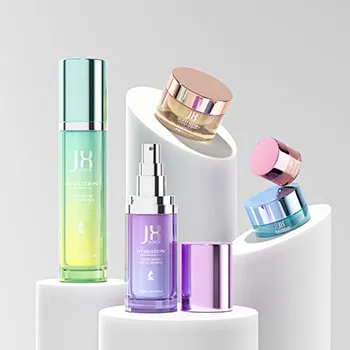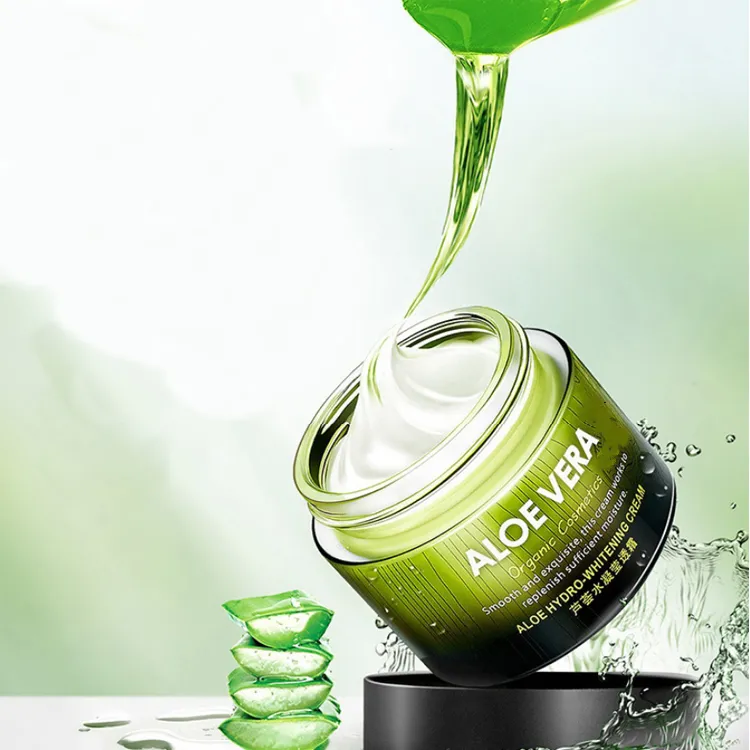
When I initially thought about starting a cosmetics brand for the European market, I knew I wanted more than just a label. I wanted a production partner that could turn my ideas into goods that were totally compliant and ready for the market. Spain caught my eye right away. Its base for making cosmetics has decades of experience, follows EU rules, and offers private-label and OEM services that can be changed.
Over time, I've looked into a lot of labs, contacted a few, and made a list of what I think are the Top 10 Cosmetic Manufacturers in Spain. These are the ones I would suggest to any startup without hesitation. In the sections below, I'll tell you who they are, what they can make, and why you should think about each one.

Fortune Business Insights say that the European cosmetics business as a whole will keep growing over the next several years. One analysis says that the European cosmetics market would grow at a rate of about 6.7% per year from 2024 to 2032. This is because people want goods that are natural, sustainable, and of high quality.
My conclusion is that Spain is a good place to begin a brand between 2025 and 2030 if you focus on clean beauty, natural and organic products, and selling them online first.
Choosing a partner from the many excellent Cosmetic Manufacturers in Spain can be overwhelming. To simplify your decision, I have compiled a detailed breakdown of the ten companies you listed, focusing on their unique selling propositions, manufacturing capabilities, and the services they offer to private label brands like yours.
| Company Name | Specialty | Key Services | MOQ/Scale |
| COSMEWAX | Skincare, Hair Removal | Full-service, Speed-to-market, Sustainability | High (10,000+ units) |
| Natural Solter S.L. | Natural, Organic, Bio Cosmetics & Makeup | Full-service, ECOCERT/NATRUE Certifications | 2000+ units |
| MS LAB Cosmetics | Skincare, Haircare, Fragrance, Petcare | Two-tier service (Scale/Creative Lab), Custom Formulas | Low (1,000+ units) |
| LABESP | GMP Private Label, Visual Effect Products | Full-service, Price-setting model, Low MOQ (100kg) | Very Low (1u stock, 100kg custom) |
| Private Label BSN | Cosmetics & Hair Salon Products | Customization, Fast Turnaround (21 days) | Not specified (Implied low/medium) |
| Laboratorios Klein Cosmética s.l. | Personalized Cosmetics, High-Efficacy Formulas | 360º Service, Legal Advice, Design, Suncare | Low (500+ units) |
| CarasaLab | Hair Dyes (Specialty), Hair, Body, Face | 90+ years experience, Natural/Organic focus, Export | High (5,000+ units) |
| Laboratorios Chantelet S.A. | Skincare, Turnkey Projects | Personalized development, Full-service | Low (1,500+ units) |
| Laboratorios Ximart S.A. | Cosmetics, Hairdressing, Personal Hygiene (Liquid & Powder) | Turnkey, Image Development, Legal Advice | Low (2,000+ units) |
| PERSEIDA BELLEZA SL | Perfumery, Cosmetics, Hygiene | 30 years experience, 3 production plants, Strategic Ally | High (10,000+ units) |
COSMEWAX is generally the first name I think of when I chat to founders who are searching for a private-label partner who is ready to launch. They do more than just waxing or removing hair. They make all kinds of cosmetics and personal care products for skin, body, hair, and hygiene.

What they make:
Why I like them:
They offer a whole service, from coming up with the idea and recipe to filling, packaging, labeling, and even paperwork for exporting. COSMEWAX seems like a one-stop shop for small and medium-sized brands that don't want to deal with a lot of different suppliers.
Natural Solter S.L. is the best choice if you want your business to look "clean," "natural," or "eco-conscious." is different. They know a lot about natural and organic cosmetics, and they know that people want gentler formulas and safer chemicals.
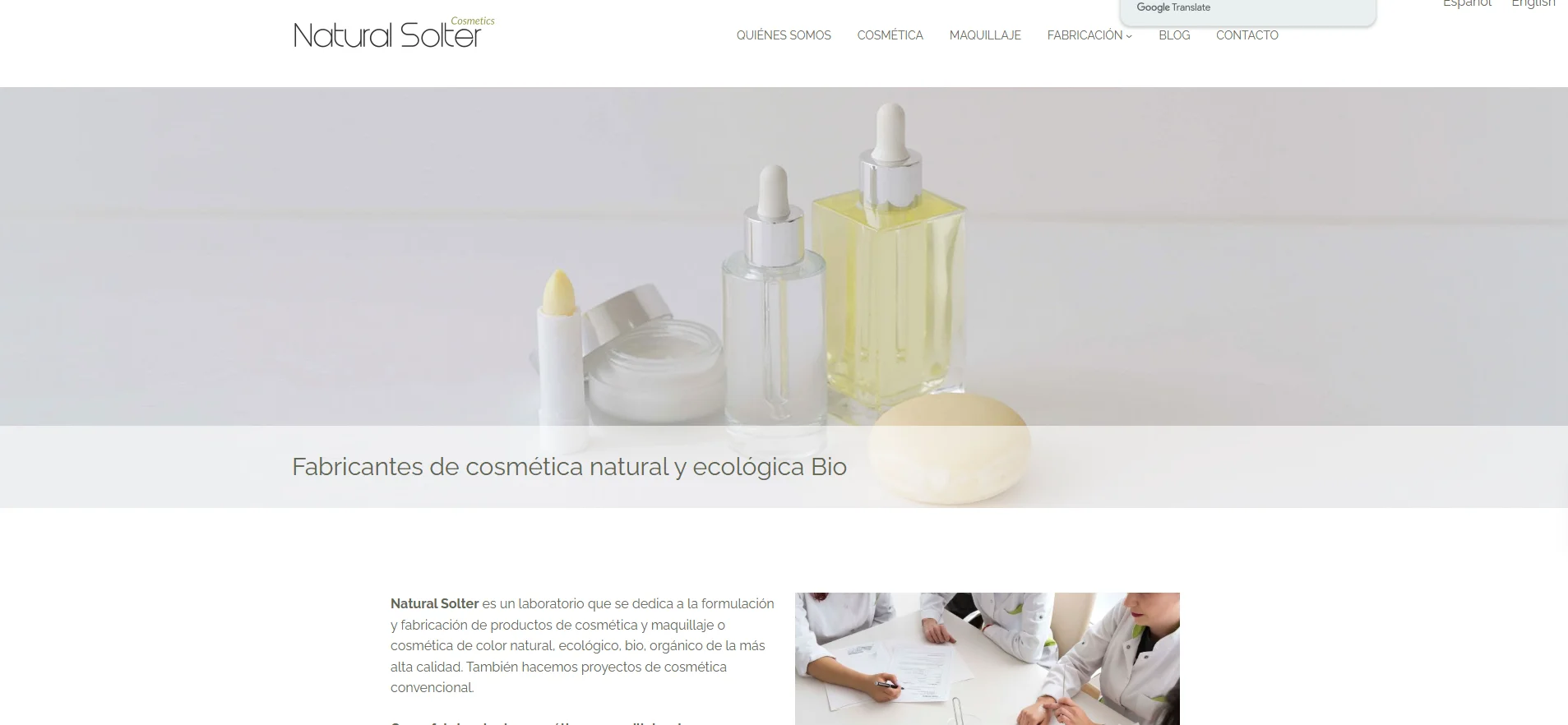
What they make:
Why I like them:
They offer the freedom of private labels together with formulas that match the rising European demand for organic and "clean beauty" products. Natural Solter gives creators a believable tale about "natural origin + European made" for customers who care about the environment or are sensitive to certain ingredients.
MS LAB Cosmetics has amazed me with how well it balances. It's not too huge to be a boutique, but it's also not too small to have industrial-grade techniques.

What they make:
Why I like them:
They can help you with bespoke formulation, packaging design, regulatory issues, and minimum order quantities that are not too strict. MS LAB seems like a safe bet for new firms that want to test the market without committing to large volumes.
LABESP should be at the top of the list for brands that care about following EU rules and doing things the right way. They are good for both mass-market and highly specialist items because they do lab-based cosmetic research and contract manufacture.

What they make:
Why I like them:
They are good at making formulas, testing them, making sure they are stable, and following the rules. If you're thinking about making a line with dermatological claims or for those with sensitive skin, LABESP has the technical know-how that many other private-label companies don't.
Private Label BSN distinguishes out when quickness, low entry cost, and convenience of use are important. I typically tell founders who are trying out their initial product line to use them.

What they make:
Why I like them:
They usually have lower minimum order quantities (MOQs), quicker turnaround times, and easier procedures. Private Label BSN is a low-risk way for someone to try out a new range of skin or hair care products without spending a lot of money up front.
I like Laboratorios Klein because they are reliable and have a lot of experience. They are one of Spain's more established cosmetic companies with a good size.

What they make:
Why I like them:
Laboratorios Klein offers consistency and capacity for brands who expect to grow quickly or need a partner that can handle larger volumes. They might not be small-boutique, but it can be a good thing when you need a lot of the same thing.
CarasaLab generally works with specialized businesses, like a hair care line for a specific type of hair or a body care line for a specific type of body. They are fascinating since they are willing to work on different recipes and packaging that can be changed.

What they make:
Why I like them:
They may be changed to fit your needs, and they are helpful when you want to try out niche or small-volume products. CarasaLab can help brands try out new concepts.
Laboratorios Chantelet has decades of experience in legacy manufacturing. They are a strong candidate if you want a manufacturer with a long history and a solid track record.

What they make:
Why I like them:
Their experience provides you confidence, especially if you want to start a company that is in the middle to high range. They know how to follow the rules, keep quality high, and make cosmetics to a high degree. This makes them a solid source of stable, long-term supply.
Laboratorios Ximart S.A. is a good choice if you want to get the best quality at the lowest price. can be a helpful friend. They are one of the oldest cosmetic companies in Spain and have a wide range of skills.
What they make:
Why I like them:
They aren't too small or too big; they're just about in the middle. Ximart is a good solution for a brand that wants flexibility but also needs a consistent cost structure.
Lastly, PERSEIDA BELLEZA SL may not have the most interesting name, but I like that they are reliable and willing to work on specific projects.

What they make:
Why I like them:
Perseida Belleza makes it easy for a lean startup company or a niche line: you provide them the idea, and they take care of the formulation, filling, and packaging. They might not be experts in ultra-premium cosmetics, but if you want a product line that works without making things too complicated, you should check them out.
While I was looking for suppliers, I saw a lot of new businesses attracted by very cheap "as-is" Asian manufacturing deals. But picking a Spanish or European manufacturer, like some of the ones listed above, has genuine benefits, especially if you want to sell in Europe:
Pros:
EU compliance: All of these producers are already following EU rules about ingredient safety, labeling, and documentation. That means reduced chance of breaking the law, easier access into the market, and fewer paperwork for sales or imports.
Quality control and dependability: European labs frequently have tight quality standards. Stability tests, safety evaluations, and traceability are all good things to have if you want to sell to mid- to high-end customers or develop brand confidence.
Less complicated logistics and shorter communication cycles: no long shipping times from other countries, easier communication (language and time zones), and faster sampling and iteration.
More flexible for small to medium brands: Many Spanish manufacturers accept lower MOQs, which makes them more flexible and good for new brands to test the waters.
Not enough / Things to keep in mind (Cons / Challenges):
Based on all of this, I suggest that you weigh the pros and cons of outsourcing to Spain/Europe and Asia based on your target market, brand positioning, and budget.
Ultimately, the choice between overseas and domestic manufacturing partners largely depends on the overall budget of your brand project. While Spain is known for its European quality and familiarity with EU regulations, if you prioritize cost-effectiveness or extremely low entry barriers, you might consider cosmetic manufacturers in Asian regions such as China, India, and the Philippines.
Yes — many, like Private Label BSN, MS LAB Cosmetics, or CarasaLab, accept small to mid‑size orders and offer relatively flexible minimum order quantities (MOQs), which suits startups and indie brands.
Yes. All the manufacturers listed operate under EU regulation frameworks (e.g. EC No 1223/2009). Many also provide required documentation, safety assessments, and labeling support for EU distribution.
Typically yes. European manufacturing tends to have higher labor and compliance costs. But the trade‑off is easier regulatory compliance, “Made in EU” label, shorter shipping times, and potentially higher perceived quality.
Between them, they cover a wide range: skincare (creams, serums, masks, lotions), body care, hair care, basic hygiene products, sometimes even simpler cosmetic or hair‑removal lines.
Yes — as long as you ensure compliance: EU cosmetic regulation, correct labeling, safety documentation, ingredients transparency. Many overseas OEMs (like Xiran Cosmetics) offer export‑ready documentation to support compliant EU entry.