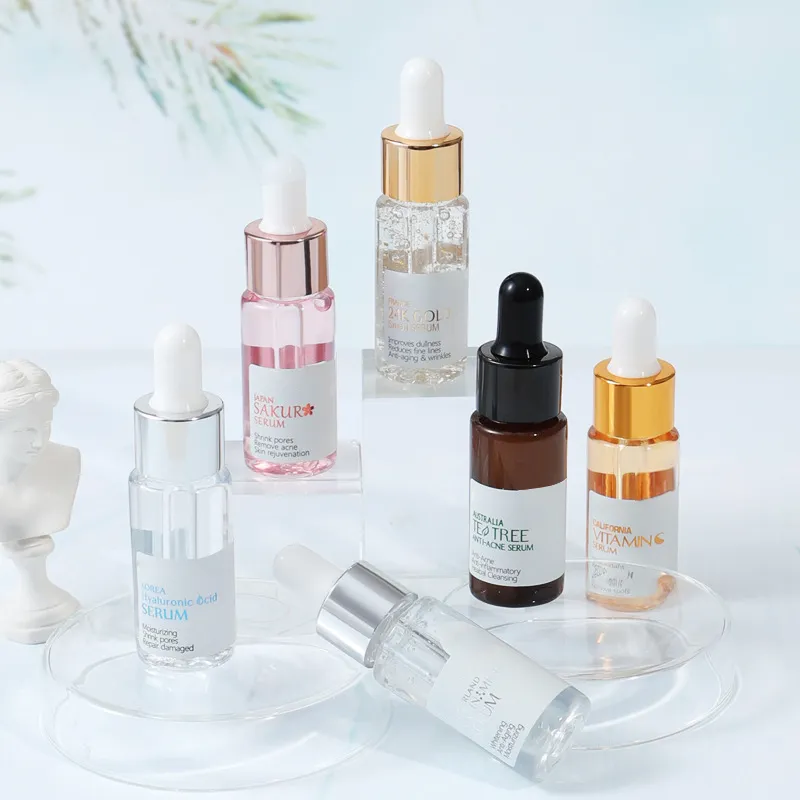
If your skin looks dull, uneven, tired, or marked by post-acne spots, a skin brightening serum can be a useful step in your routine.
But I do not think the best skin brightening serum is simply the strongest product on the shelf.
A good brightening serum should match your skin type, target concern, ingredient tolerance, daily sunscreen habits, and long-term skincare goals.
Some people want to improve dull skin. Some want to fade the look of acne marks. Some want a more even skin tone. Some are dealing with dark spots caused by sun exposure, irritation, or past breakouts.
These concerns may look similar, but they do not always need the same formula.
In this guide, I will explain how to choose a skin brightening serum for dark spots, dullness, acne marks, and uneven skin tone. I will also break down key ingredients such as vitamin C, niacinamide, alpha arbutin, tranexamic acid, licorice root extract, AHAs, hyaluronic acid, and panthenol.
If you are a skincare brand owner, I will also share product development ideas for creating a private label brightening serum with a clear formula direction and realistic claims.

A skin brightening serum is designed to help the skin look more radiant, even, and fresh.
It does not change who you are. It should not be about bleaching the skin or promoting an unrealistic skin tone. I prefer the word “brightening” because it focuses on radiance, clarity, and uneven tone instead of changing natural skin color.
A good brightening serum may help with:
Different ingredients work in different ways.
Some help protect the skin from environmental stress. Some support a more even-looking tone. Some gently exfoliate dead skin cells. Some calm the skin and reduce the look of irritation-related discoloration.
That is why choosing the right serum depends on the cause of your dullness or dark spots.
In many markets, people still search for “skin whitening serum” or “whitening skincare.” But in the U.S., Europe, and many other Western markets, this wording can feel outdated, sensitive, or medically risky.
I usually recommend using safer and more consumer-friendly language, such as:
This wording is more aligned with how modern skincare brands communicate.
For beauty brands, it also helps avoid overpromising. A cosmetic brightening serum can improve the look of dullness and uneven tone, but it should not claim to permanently remove pigmentation or treat medical skin conditions.
If someone has melasma, severe hyperpigmentation, sudden dark patches, or irritation that does not improve, I would always suggest speaking with a dermatologist.
Before choosing a brightening serum, I like to understand why the skin looks dull or uneven.
Here are the most common reasons.
Sun exposure is one of the biggest reasons dark spots and uneven skin tone become more visible.
Even the best brightening serum cannot work well if the skin is exposed to UV rays every day without protection.
That is why sunscreen is not optional in a brightening skincare routine. It is the foundation.
If you use vitamin C, AHAs, retinoids, or other tone-focused ingredients, daily sunscreen becomes even more important.
After a breakout heals, it may leave a red, brown, or dark mark. This is common, especially for people with deeper skin tones or skin that gets inflamed easily.
A brightening serum for acne marks should be gentle enough for regular use. I usually look for ingredients such as niacinamide, tranexamic acid, alpha arbutin, licorice root extract, panthenol, and hyaluronic acid.
Harsh formulas may make irritation worse, which can make discoloration look more obvious.
Sometimes skin looks dull because the surface is dry, rough, or full of dead skin buildup.
In this case, a serum with gentle exfoliating ingredients may help. AHAs such as lactic acid or glycolic acid can improve the look of rough texture and dullness.
But I do not recommend over-exfoliating. Too much exfoliation can weaken the skin barrier and make the skin more sensitive.
Skin that becomes red, irritated, or inflamed can sometimes develop uneven tone afterward.
For this type of skin, I prefer a soothing brightening serum instead of a very strong acid or high-strength active formula.
Ingredients such as panthenol, centella asiatica, beta-glucan, licorice root extract, and niacinamide can be useful in a gentler routine.
Lack of sleep, pollution, stress, smoking, poor cleansing habits, and dehydration can all make skin look dull.
A serum can help, but it works best when the full routine supports the skin.
That means gentle cleansing, hydration, moisturizer, sunscreen, and consistent use.
A good brightening serum is not only about one popular ingredient.
I prefer formulas that combine brightening support with hydration and skin barrier comfort.
Here are the ingredients I would consider.

Vitamin C is one of the most popular ingredients in brightening serums.
It is often used for dull skin, uneven tone, and antioxidant support. Many people choose vitamin C serum in the morning because it pairs well with sunscreen in a daily routine.
However, vitamin C can be tricky in formulation.
Some forms of vitamin C are unstable. Some may irritate sensitive skin. Some need special packaging to protect the formula from light and air.
If your skin is sensitive, start slowly. If you are developing a vitamin C serum for a brand, pay attention to formula stability, packaging, pH, texture, and user tolerance.
Niacinamide is one of my favorite ingredients for uneven skin tone because it is versatile.
It can work well for oily skin, combination skin, dull skin, and skin that needs barrier support. It is also easier to use than many stronger brightening ingredients.
A niacinamide serum can be positioned for:
For many consumers, niacinamide feels more comfortable than strong acid-based brightening products.
Alpha arbutin is often used in dark spot serums and tone-correcting formulas.
It is popular in products designed for hyperpigmentation, acne marks, and uneven-looking skin tone.
I like alpha arbutin when the product direction is clear: targeted brightening support without an overly aggressive skin-lightening message.
For brands, alpha arbutin can pair well with niacinamide, hyaluronic acid, panthenol, or licorice root extract.
Tranexamic acid has become a popular ingredient in modern brightening skincare.
It is often used in formulas for uneven skin tone, dark spots, dullness, and post-acne discoloration.
I like tranexamic acid because it can fit into a more sophisticated brightening serum concept. It also works well in formulas that aim to be gentler than harsh peeling or bleaching-style products.
A serum with tranexamic acid, niacinamide, panthenol, and hyaluronic acid can be positioned as a modern brightening serum for uneven skin tone.
Licorice root extract is often used in brightening and soothing skincare.
It is a good option when a formula needs to feel more botanical, gentle, or sensitive-skin friendly.
I like licorice root extract in formulas for dull skin, uneven tone, redness-prone skin, and calming brightening care.
It can also support a more natural-inspired product story for brands that want botanical brightening skincare.
AHAs, such as glycolic acid, lactic acid, and mandelic acid, can help improve dullness and rough texture by exfoliating the skin surface.
They are useful when dull skin is caused by dead skin buildup.
However, AHAs should be used carefully. They may increase sensitivity, especially if the product is used too often or without sunscreen.
For sensitive skin, mandelic acid or lactic acid may feel gentler than stronger exfoliating acids.
Hyaluronic acid does not directly brighten dark spots, but it plays an important supporting role.
Dehydrated skin often looks dull. When the skin is hydrated, it can look smoother, fresher, and more radiant.
That is why many brightening serums include hyaluronic acid or sodium hyaluronate.
A brightening serum should not only target tone. It should also feel comfortable enough for daily use.
Panthenol is useful in brightening serums because it helps support skin comfort.
If a formula contains vitamin C, acids, or other active ingredients, panthenol can help make the product feel more soothing.
I like panthenol in formulas for sensitive skin, post-acne marks, and barrier-friendly brightening routines.
The best brightening serum depends on your skin type and concern.
Here is how I would choose.
If your main concern is dullness, I would look for a serum with vitamin C, niacinamide, gentle AHAs, hyaluronic acid, or botanical antioxidants.
Dull skin often needs a mix of hydration, antioxidant support, and gentle texture refinement.
A good routine for dull skin may include:
Avoid using too many strong actives at once. That can make dull skin become irritated skin.
If your main concern is dark spots, I would look for ingredients such as alpha arbutin, tranexamic acid, niacinamide, vitamin C, and licorice root extract.
Sunscreen is essential. Without sunscreen, dark spots may become more visible again.
For deeper or stubborn pigmentation, a cosmetic serum may not be enough. A dermatologist can provide a more specific treatment plan.
For post-acne marks, I prefer a gentle brightening serum that does not irritate the skin.
Good ingredient options include:
If you still have active acne, be careful with heavy oils, thick creams, or strong exfoliating products. They may not suit your skin.
Sensitive skin needs a slower approach.
I would avoid very strong acids, high-strength vitamin C, heavy fragrance, and too many active ingredients at the same time.
A gentle brightening serum for sensitive skin may include:
Start with a few times per week, then increase if your skin feels comfortable.
Oily skin often does well with lightweight textures.
I would look for a water-based serum, gel serum, or fast-absorbing formula.
Niacinamide is a strong option for oily skin because it can support uneven tone while also fitting oil-control and pore-care product positioning.
Avoid thick, sticky, or greasy formulas if your skin clogs easily.
Dry skin may look dull because it lacks moisture and barrier support.
A brightening serum for dry skin should include hydrating and soothing ingredients, not only tone-focused actives.
Look for:
For dry skin, always follow serum with moisturizer.
I cannot talk about brightening serums without talking about sunscreen.
If dark spots, acne marks, dullness, or uneven skin tone are your main concerns, sunscreen should be part of your daily routine.
A brightening serum can support a more even-looking complexion, but it cannot protect your skin from UV exposure. Without sunscreen, discoloration can become more visible, and progress may be slower.
I usually recommend a broad-spectrum sunscreen with SPF 30 or higher during the day.
If you spend time outdoors, sweat, swim, or wipe your face, reapply sunscreen according to the product directions.
For people with dark spots or deeper skin tones, tinted sunscreen with iron oxides may also be worth considering because visible light can contribute to pigmentation concerns in some skin types.
Instead of copying popular brightening products, I prefer to study what they do well.
Some successful brightening serums focus on vitamin C and antioxidant protection. Some use niacinamide for uneven tone and oil balance. Some use exfoliating acids to improve dullness and texture. Others focus on tranexamic acid, alpha arbutin, or botanical brightening ingredients.
For skincare brands, these products show that a successful brightening serum usually needs four things:
A product does not need to include every brightening ingredient. It needs a clear direction.
For example, a brand can develop:
Each direction can work, but the formula should match the target customer.
For skincare brands, a brightening serum is not only about adding one popular active ingredient.
A successful formula should consider the target market, skin tone concern, ingredient stability, irritation risk, texture, packaging, and claim direction.
Here are a few product development directions I would consider.

This direction is good for brands that want a classic glow and antioxidant story.
Key development points:
Suggested positioning:
Vitamin C serum for dull skin, radiance, daily glow, and antioxidant support.
This is a versatile direction for many skin types.
Key development points:
Suggested positioning:
Niacinamide serum for uneven skin tone, oily skin, combination skin, and daily brightening care.
This is a more targeted modern brightening direction.
Key development points:
Suggested positioning:
Dark spot serum for uneven tone, post-acne marks, and discoloration-prone skin.
This direction works well for natural-inspired skincare brands.
Key development points:
Suggested positioning:
Botanical brightening serum for sensitive skin, dullness, and daily radiance.
This is a good option for dry or dehydrated skin.
Key development points:
Suggested positioning:
Hydrating brightening serum for dull, dry, and tired-looking skin.
Packaging matters, especially for brightening formulas.
Some brightening ingredients are sensitive to light, oxygen, or formula instability.
For vitamin C serums, I usually suggest considering:
For lightweight brightening serums, droppers can look premium, but they may not always be the best choice for formula stability.
For mass-market products, pump bottles or airless bottles may be more practical.
For sensitive-skin products, clean and minimal packaging helps support a gentle brand image.
At Xiran Skincare, we support private label skin brightening serum development for brands that want to build a clear, market-ready product line.
Our OEM and ODM support can include formula direction, ingredient selection, texture adjustment, sample testing, packaging matching, bulk production, and export documentation support.
For brightening serum projects, we can help brands develop different formula directions, such as:
Before starting a project, I usually suggest confirming a few details:
For example, a serum for the U.S. market may need different wording from a serum for Southeast Asia or the Middle East. A product for sensitive skin may need a different fragrance strategy from a product for young oily skin.
Good product development starts with clear positioning.
The best skin brightening serum is not the one with the longest ingredient list. It is the one that matches your skin concern, skin type, and daily routine.
If your main concern is dullness, vitamin C, niacinamide, gentle exfoliation, and hydration may help.
If your concern is dark spots or post-acne marks, ingredients such as alpha arbutin, tranexamic acid, niacinamide, licorice root extract, and sunscreen support may be more relevant.
If your skin is sensitive, choose a gentler serum and avoid aggressive formulas.
Most importantly, do not forget sunscreen. A brightening serum can support a more even-looking complexion, but daily sun protection is what helps maintain results.
For brands, brightening serum remains a strong product development direction. But the formula needs more than a popular ingredient. It needs the right texture, packaging, claim strategy, stability, and customer fit.
When a brightening serum is developed with both skin needs and market expectations in mind, it can become a valuable product in a skincare line.