Starting a private label deodorant business requires more than a good product idea. You need to understand your target customers, choose the right formula, find suitable packaging, and work with a manufacturer who can support your initial production needs.
The good news is that you do not need to manufacture products yourself or invest in a large production facility to start your own deodorant brand. Private label manufacturing allows you to work with an established manufacturer, select or customize a formula, and develop finished products under your own brand name.
Whether you are launching your first personal care product or expanding an existing beauty brand, this guide walks you through each step—from defining your brand concept and choosing a formula to understanding MOQs, estimating product costs, and preparing for launch.

Before thinking about ingredients, packaging, or production, get clear on your brand. Who are you selling to? What type of deodorant do you want to offer? And why would customers choose your product over existing brands?
Your answers will guide every decision that follows, including formulation, fragrance, packaging, and pricing.
Start by deciding who your deodorant is designed for. You could target men's grooming, women's personal care, sensitive-skin consumers, natural beauty enthusiasts, or people looking for convenient everyday hygiene products.
Each audience has different expectations. A premium deodorant brand may focus on fragrance, packaging, and application experience, while a sensitive-skin concept may prioritize fragrance-free options and carefully selected skin-conditioning ingredients.
Try not to develop a product for everyone. A more focused audience makes it easier to create a clear product concept and communicate its value to potential customers.
Once you understand your audience, decide how you want your brand to be perceived.
For example, your deodorant brand could focus on:
You do not need a complicated product range at this stage. A clear brand direction and one well-developed hero product are often enough to get started.
Once your brand concept is established, decide what type of deodorant you want to develop. The product format and formulation will influence the customer experience, packaging requirements, and manufacturing process.
Deodorants are available in several formats, each offering a different application experience.
| Product Format | Texture | Application | Suitable Positioning |
|---|---|---|---|
| Stick Deodorant | Solid | Direct application | Everyday personal care |
| Roll-On Deodorant | Liquid or gel | Roller-ball application | Daily hygiene |
| Cream Deodorant | Creamy | Direct skin application | Premium or natural-inspired care |
| Spray Deodorant | Liquid mist | Spray application | Convenient daily freshness |
Stick deodorants are a practical choice for brands looking for portable, easy-to-use products. Roll-on formats offer a familiar application experience, while cream deodorants provide more flexibility in texture and formulation design.
Spray deodorants are another option for consumers who prefer quick application. However, pump sprays and aerosol products have different packaging and manufacturing requirements, so you should confirm the intended format with your manufacturer early in the process.
Pro tip: If this is your first deodorant product, start with one format that matches your target audience. You can introduce additional formats after understanding customer demand.
Once you have chosen a product format, decide how much formulation customization your brand needs.
Most deodorant manufacturers offer one of the following three options:
The right option depends on your budget, product positioning, and development requirements. For many startups, an existing or semi-custom formula is a practical way to reduce initial development complexity.
Ingredient selection should also match the intended product concept. Depending on the formulation, manufacturers may consider zinc ricinoleate, triethyl citrate, magnesium hydroxide, or sodium bicarbonate in different odor-control systems. Ingredients such as glycerin, panthenol, aloe vera, and allantoin may also be considered to complement the skin feel.
If you want to develop an aluminum-free deodorant, communicate this requirement at the beginning of the project. Your manufacturer can then evaluate suitable formulation options and assess their performance and compatibility.
One important distinction: deodorants are designed to control or mask body odor, while antiperspirants are intended to reduce perspiration. If your product is intended to perform both functions, additional regulatory requirements may apply.
For a new deodorant brand, the initial production investment is one of the most important decisions. You want enough inventory to launch and test the market without committing to more products than you can realistically sell.
This is why choosing a manufacturer with a manageable minimum order quantity can make a significant difference.
At Xiran Skincare, the typical starting MOQ for private label deodorant projects is approximately 500–1,000 units per product, depending mainly on the selected packaging and project specifications.
For initial budgeting, the estimated product cost is approximately $3 per unit for a 500-unit order and around $2.50 per unit for a 1,000-unit order.Therefore, the initial cost of the product falls within the range of approximately $1500 to $2500.
| Initial Order Quantity | Estimated Cost per Unit | Estimated Total Product Cost |
|---|---|---|
| 500 units | $3.00 | $1,500 |
| 1,000 units | $2.50 | $2,500 |
These figures provide a starting point for estimating your initial product investment. The final quotation depends on the formula, fragrance requirements, packaging components, and other project specifications.
The figures refer to the estimated cost of the initial product order, not a separate one-time formulation development fee. Shipping, customs, branding, marketing, and other business expenses should be budgeted separately.
If you are starting with a limited budget, using existing packaging is often a practical option. It allows you to focus on developing the formula and brand presentation without immediately committing to a fully customized packaging project.
You can still create a recognizable product through your logo, label design, color scheme, and fragrance selection.
It is also worth starting with one product rather than launching several fragrances and formats simultaneously. Fewer initial SKUs make inventory management easier and allow you to concentrate your marketing budget on one clear product concept.
Pro tip: Before requesting a quotation, prepare your preferred deodorant format, estimated order quantity, fragrance direction, and packaging preferences. This helps the manufacturer provide a more relevant cost estimate.
Once you understand your product concept and initial budget, it is time to find a manufacturing partner.
The right manufacturer should do more than fill containers. It should be able to help you evaluate formula options, select suitable packaging, prepare samples, and maintain consistent product quality during production.
When comparing manufacturers, pay attention to the following:
Do not choose a supplier based on the lowest quotation alone. A manufacturer that understands small-brand requirements and can communicate clearly throughout development may be a much better long-term partner.
Before placing your first production order, confirm how samples are prepared, how revisions are handled, and what approvals are required before bulk manufacturing.
You should also ask whether the manufacturer can maintain the approved formulation and packaging specifications for repeat orders. This becomes increasingly important once your product starts generating consistent sales.
At Xiran Skincare, we support private label, OEM, and ODM personal care projects, including formulation selection, customization, packaging sourcing, sampling, production, and quality control.
For startups, the goal is to establish a manageable development process that allows you to launch your first product and build from there.
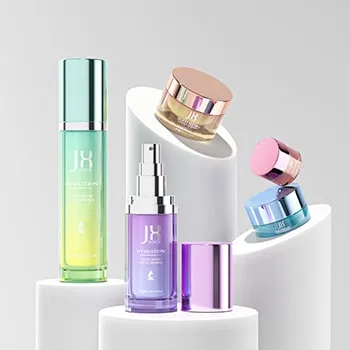
Packaging is one of the first things customers notice when they see a new deodorant brand. It should reflect your brand identity while remaining practical for the selected formula and application method.
Common packaging options include plastic twist-up sticks, roll-on bottles, squeeze tubes, jars, and spray bottles.
The packaging needs to match the physical properties of your formula. For example, a solid deodorant stick requires a suitable dispensing mechanism, while a liquid roll-on formula needs an appropriate bottle and roller-ball assembly.
Many manufacturers offer existing packaging options, which can help startups control initial costs. If you want a more distinctive appearance, you can explore customized materials, shapes, colors, and decorative finishes.
Keep in mind that custom packaging may involve higher MOQs and longer preparation times. Always confirm packaging availability and minimum requirements before finalizing your product budget.
Your label should communicate your brand clearly and make the product easy to understand.
Consider your logo, product name, fragrance, product format, packaging color, and overall visual style. A clean and consistent design can help your deodorant stand out without making the packaging unnecessarily complicated.
You should also prepare the required product information, including ingredient declarations, net quantity, business identification, and applicable warnings or directions for your target market.
Before approving the final packaging, make sure it works with the selected formula.
Ask your manufacturer to evaluate relevant factors such as material compatibility, leakage, dispensing performance, closure quality, and product stability.
A package that looks attractive but does not dispense the product properly can create avoidable problems after launch. It is better to identify these issues during development than after your products have been manufactured.
Never move directly from a product concept to bulk production without evaluating samples first.
Sampling allows you to review the actual formulation, fragrance, texture, application experience, and packaging before committing to your initial order.
When reviewing your deodorant sample, pay attention to:
You should also discuss appropriate stability, microbiological, and packaging compatibility evaluations with your manufacturer. Product safety should be supported by suitable evidence rather than relying only on a short sample trial.
At Xiran Skincare, sample preparation typically takes around 7–10 days for projects using an established formula and available packaging, depending on the project requirements.
Take the time to review the sample carefully. If adjustments are needed, communicate specific feedback to your manufacturer before approving the final version.
Once the formula and packaging are approved, you can start preparing for bulk manufacturing and your product launch.
Before production begins, confirm all important project details with your manufacturer:
Having these details confirmed helps reduce misunderstandings and avoid unnecessary changes during manufacturing.
If you plan to sell in the United States, ordinary deodorants intended to control body odor are generally regulated as cosmetics. Antiperspirants intended to reduce perspiration are regulated as OTC drugs, while products marketed for both functions must meet the applicable requirements for both categories.
Under MoCRA, applicable cosmetic facility registration, product listing, and safety substantiation requirements must also be considered. Certain small-business exemptions exist, but eligibility depends on the business and product type.
Before launching, review the FDA's official resources:
Remember that FDA cosmetic facility registration and product listing do not mean that the FDA has approved your product. Determine the applicable responsibilities for your brand and manufacturing arrangement before entering the market.
Many new deodorant brands begin with their own e-commerce website, using platforms such as Shopify or WooCommerce.
Your product page should include clear product photography, fragrance descriptions, ingredient information, packaging details, and an explanation of what makes your deodorant different.
Social media can also help introduce your product to potential customers. Instagram and TikTok are useful for showing product application, texture, packaging, and everyday use. You can also work with relevant micro-influencers to reach customers who already follow personal care and beauty content.
Start with a manageable marketing plan, collect customer feedback, and pay attention to repeat purchases. These insights will help you decide whether to introduce additional fragrances, formats, or complementary body care products.
Starting a deodorant brand does not mean you need to develop everything from scratch or invest in a large production order.
For many startups, the practical approach is to begin with one product, select an established or semi-custom formula, use suitable existing packaging, and place an initial order that matches their budget.
At Xiran Skincare, we work with brands looking to develop their own deodorant and personal care products through private label, OEM, and ODM manufacturing.
Our support covers formula selection, customization, packaging sourcing, sampling, bulk production, and quality control. Whether you already have a detailed product brief or are still exploring your first deodorant concept, we can help you evaluate the available development options.
If you are planning to launch your own private label deodorant, share your preferred product format, formulation direction, packaging requirements, and estimated order quantity with our team. We can then discuss a suitable development and production plan for your brand.
Taking deodorant products with an MOQ of 500–1,000 units as an example, the initial product cost is approximately $1,500–$2,500; costs will be higher if you require custom packaging.
The minimum order quantity (MOQ) for each product is typically around 500 to 1,000 units, depending on the chosen packaging and project requirements. For brands with smaller order volumes, opting for existing packaging is often a practical solution.
For projects using an established formula and available packaging, sample preparation typically takes around 7–10 days. Bulk manufacturing generally takes approximately 25–45 days after sample, packaging, artwork, and order details have been approved. More complex custom projects may require additional time.
Yes. Depending on your project requirements, you can choose an existing formula, customize selected formulation characteristics, or develop a fully customized product. Fragrance, texture, ingredient selection, and other product characteristics can be discussed during development.
Deodorants are designed to control or mask body odor, while antiperspirants are intended to reduce perspiration. In the United States, ordinary deodorants are generally regulated as cosmetics, whereas antiperspirants are regulated as OTC drugs. Products marketed for both purposes must meet the applicable requirements for both categories.
Common options include stick containers, roll-on bottles, squeeze tubes, jars, and spray bottles. The right packaging depends on your formulation, application method, brand positioning, and production requirements. Existing packaging can be a practical starting point for smaller projects.