After beauty treatments, creating a line of skin repair care is not the same as launching a normal moisturizing skincare range. Customers using this product have typically had laser, microneedling, chemical peels, or other professional beauty treatments that leave the skin feeling dry, tight, fragile, warm, and easily irritated.
This is a sensitive but valuable product category from a brand development perspective. Consumers are spending more on aesthetic treatments, and many want gentle aftercare products to support comfort, hydration, and the skin barrier at home.
That’s a no-brainer for skincare brands and startup founders. A well-developed line of skin repair products can serve retail customers, med spas, beauty clinics, dermatology channels, and professional skin care distributors.
But this category requires careful planning. It shouldn't seem aggressive. The claims must not sound like medicine. The packaging should appear clean and dependable. Most importantly, the product line needs to be simple enough for customers to understand.
In this article, I will describe how I would go about creating a line of skin repair products after aesthetic treatments, from the product planning stage to selecting a manufacturer.

I believe that pro-aesthetic skincare is gaining importance as beauty consumers are no longer just buying products for their daily skincare routines. Today, many people combine home skin care with professional treatments.
When people come in after laser, peels, microneedling, or any energy-based procedures, they are often seeking products that feel more professional than a basic cream. They want gentle, fragrance-free, hydrating, and sensitive-feeling skin formulas.
This is a real business opportunity for brands.
A skin repair care line can help a brand to build trust as it meets a clear customer need. It also performs well with professional channels such as med spas, aesthetic clinics, beauty salons, and distributors. The product story is easy to understand, so it can become a strong category for online brands.
"The customer knows when to use it.” They know what they want it for. They also know which skin feeling they want to improve, like dryness or tightness or discomfort and visible redness.
This makes skin repair care a very appropriate direction for private-label skin care development.
I believe that pro-aesthetic skincare is gaining importance as beauty consumers are no longer just buying products for their daily skincare routines. Today, many people combine home skin care with professional treatments.
“When people come in after laser, peels, microneedling, or any energy-based procedures, they are often seeking products that feel more professional than a basic cream. They want gentle, fragrance-free, hydrating, and sensitive-feeling skin formulas.
This is a real business opportunity for brands.
A skin repair care line can help a brand to build trust as it meets a clear customer need. It also performs well with professional channels such as med spas, aesthetic clinics, beauty salons, and distributors. The product story is easy to understand, so it can become a strong category for online brands.
"The customer knows when to use it.” They know what they want it for. They also know which skin feeling they want to improve, like dryness or tightness or discomfort and visible redness.
This makes skin repair care a very appropriate direction for private-label skin care development.
When I develop a concept for skin repair care, I don’t just pick random trendy ingredients. The first thing I write about is what the skin goes through after aesthetic treatments.
Often the skin feels dry, tight, warm, rough, or more sensitive than normal. Some customers may also experience temporary visible redness or a weakened skin barrier.
This is not to imply that the product should be making medical claims. A cosmetic product for skin repair should focus on support, comfort, hydration, and barrier care.
For a startup brand, I would suggest a wider positioning like “post-treatment skin barrier care,” “sensitive skin repair support,” or “after-aesthetic skincare routine.” You can communicate these directions more easily and flexibly than a product that is too specific to one treatment.
A common mistake is creating too many products to start with. When skin is sensitive after aesthetic treatments, a complicated routine isn’t always better.
I’d generally start with three to five products. A gentle cleanser prepares the skin without drying it out. A soothing mist provides a light and refreshing feel for the skin. A hydrating serum can be the line’s hero product. A barrier repair cream can assist with locking in moisture and comfort. For a stronger professional aftercare concept, a mask can be added if the brand wants.
It's a simple structure for customers to get their heads around. It also makes it easier for a new brand to produce, test, and market.
If the brand is still in its infancy, I would avoid launching ten products simultaneously. I would rather build a more focused routine with clear product roles.
In this category, the formula should feel gentle and deliberate. I would base the ingredient direction on three core functions: hydration, soothing support, and barrier care.
Hydrating ingredients like glycerin, sodium hyaluronate, betaine, trehalose, and tremella polysaccharide can help promote soft and moisturized skin. Ingredients like panthenol, allantoin, beta-glucan, bisabolol, centella asiatica extract, and madecassoside can make the product feel more suitable for sensitive-feeling skin.
Support for the barrier is particularly important. Adding ceramides, cholesterol, fatty acids, squalane, jojoba oil, phytosphingosine, etc. makes the product story more solid and professional.
I’d be careful with strong exfoliating acids, high-level retinoids, strong fragrances, and aggressive active systems in the core aftercare products. “Ingredients that can be excellent in other skincare categories may not be right for post-treatment positioning.
The formula should be effective but not aggressive. That is a crucial balance.
The texture of a product can determine whether customers continue to use it.
Clients may be more sensitive to stickiness, heaviness, stinging, or a greasy finish after cosmetic procedures. That's why I would test the feel of the skin cautiously.
For a repair serum, I would usually opt for a lightweight gel serum or a watery serum texture. It should absorb well and layer easily underneath cream. For barrier creams, I'd go for a soft cream, gel-cream, or balm-cream consistency depending on the skin type and market positioning.
The post-treatment mask should be cooling, hydrating, and comfortable. Hydrogel masks, biocellulose masks, cream masks—all are possible options, but the final decision is dependent on brand image and sales channel.
Good texture feels better not only from the product itself. It also makes the brand feel more premium and professional.
Packaging is crucial in this category. Customers must perceive the product as clean, safe, and professional.
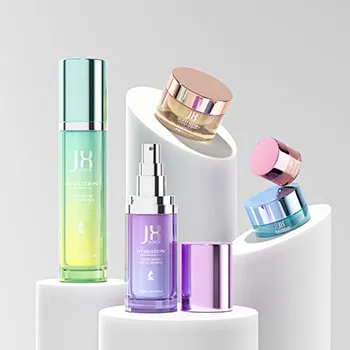
“I would stay away from packaging that is too playful or too decorative for skin repair care. Often better are clean clinical designs, soft colors, airless bottles, tubes, mist bottles, and simple cartons.
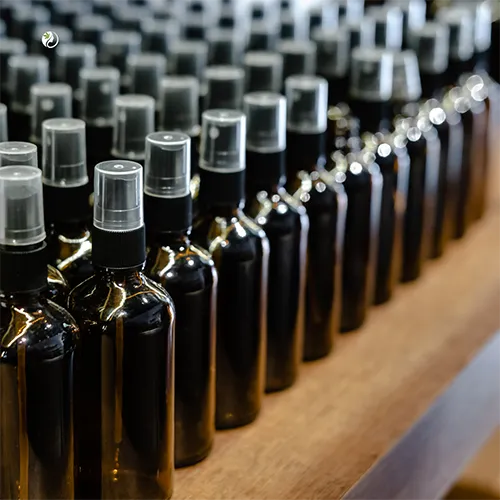
Airless pump bottles are a nice choice for serums and creams because they give a premium and hygienic impression. Tubes are excellent for barrier creams. Mist bottles are ideal for calming sprays. Single-use masks can be a beneficial option for clinics or aftercare kits.
I would also consider a small post-treatment kit if the brand wants to sell through med spas or beauty clinics. A kit could include a travel-size cleanser, repair serum, barrier cream, and mask. Clinics find it easy to recommend, and customers find it easy to use after treatments.
This is one of the most important steps in developing a line of skin repair products.
The product should not sound like it treats wounds, heals burns, repairs medical damage, prevents infection, or cures inflammation. Many markets face compliance risks due to those claims.
I would use cosmetically friendly words instead. The product may claim to support the skin barrier, help relieve the feeling of dryness and tightness, comfort sensitive-feeling skin, provide hydration, or improve the look of stressed skin.
Use professional language but not medical. A reputable brand for skin repair does not have to make exaggerated claims. In this category, calm, credible language often works better.
Testing should be considered at the outset, not when the packaging is complete.
My focus for a line of skin repair products would be on formula stability, microbial testing, preservative challenge testing, packaging compatibility, and skin feel testing. For added market credibility, the brand can also consider patch testing, sensitive skin use testing, or dermatologist-tested support.
The testing plan is dependent on target market, product type, and claim direction. Different documents and compliance support may be required if you are selling a brand in the EU, UK, US, Middle East, or Southeast Asia.
That’s why it’s important to partner with the right manufacturer. A good manufacturer should help the brand to understand what can be tested in-house, what needs third-party support, and what documents may be required for export.
A successful product line should be simple to use.
For a morning routine, the customer could choose a gentle cleanser, soothing mist, repair serum, barrier cream, and sunscreen. In the evening, the customer can do a gentle cleanse, apply a repair serum, and finish with a barrier cream or recovery mask.
The routine should be explained in simple terms on the product page. The customer should know exactly when to use each product and how the products work together.
This routine also helps with marketing a brand. The brand can sell a complete system for repairing skin instead of one product.
Once the product direction is clear, the next step is to find a manufacturer who understands repair-focused skincare. In this category, I would not choose a factory simply because the price is low. Skin repair care after aesthetic treatments requires the development of a gentle formula, stable production, texture adjustment, packaging support, and careful control of the claims.
I would look for an OEM/ODM that has experience in barrier repair creams, soothing serums, sensitive skin products, ceramide formulas, panthenol products, post-treatment masks, and fragrance-free skincare. Such experience is important as the skin care manufacturer is usually able to give better advice on formula structure, texture, ingredients, and packaging.
ODM support can be helpful for startup brands, as the manufacturer may already have mature repair-focused formula bases that can be modified. OEM support might be better for more mature brands that already have a clear direction for formulas. In either case I would go with a manufacturer who can support sampling, formula adjustment, packaging sourcing, quality control, and export documents.
Before starting cooperation, I would prepare a simple product brief with target market, product list, texture direction, key ingredients, packaging style, expected MOQ, and claim direction. This makes communication much easier and helps the manufacturer to draw up a more accurate development plan.

Working with an experienced OEM/ODM can greatly simplify the process for brands looking to launch a skin repair care line post-aesthetic treatments.
Rather than reinventing the wheel for every product, a brand can collaborate with a manufacturer to tweak tried-and-true repair-focused formulas, tailor textures, choose packaging, produce samples, and oversee mass production.
Xiran Skincare provides private label skin repair care product development for brands that want to create barrier repair creams, soothing serums, hydrating masks, post-treatment mists, and sensitive skin care routines.
We can assist with formula advice, texture adjustment, packaging sourcing, sample assessment, production control, and export documentation assistance. This can help startup brands alleviate the pressure of development. For established skincare brands, it can help grow a professional repair care category more effectively.
Creating a line of skin repair products after aesthetic treatments is a strong opportunity for skincare brands, med spa brands, and beauty entrepreneurs.
The best thing is to not have a complex routine. I would create the line around gentle cleansing, deep hydration, soothing care, barrier support, and clear usage instructions.
I'd be fussy about the manufacturer as well. The right OEM/ODM partner should understand sensitive skin positioning, repair-focused formulas, texture development, packaging, quality control, and export support.
A good line of skin repair products doesn’t have to promise the moon. Products that feel delicate, professional, and useful when the skin needs that little extra care.
And this is where a new brand starts to build real trust.