Developing a skin whitening product line is not as simple as picking a brightening ingredient and putting it in a cream or serum. In my experience, a successful whitening skincare line needs clear product direction, suitable formula concept, stable active ingredient direction, comfortable texture options, market-ready packaging selection, proper sample testing, and reliable bulk production support.
This segment can be very profitable for skincare brands, beauty startups, importers, and private label sellers. Many customers are seeking products that help improve the appearance of dullness, uneven skin tone, dark spots, sun damage, and tired-looking skin. But “whitening” means different things in different markets.
In some markets, customers prefer the term “skin whitening.” Some others might refer to it as 'tone-evening,' 'brightening,' 'radiance,' or ‘dark spot care.' That’s why I would never start this project from ingredients alone. I would start with the target market, customer expectation, product positioning, and claim direction.
A successful OEM/ODM can help you turn a basic whitening idea into a complete product line that is easier to produce, test, package, and sell.

Before developing formulas, I would first define the product direction. There are myriad ways to position a whitening product line. Some brands are looking for a gentle daily brightening routine. Some want a dark spot treatment line. Some target sun-exposed skin. Some want a premium brightening and anti-aging concept.
The product direction will inform almost every future decision. It affects the formula concept, active ingredient direction, texture options, packaging choice, price range, MOQ, testing requirements, and even the language on the product page.
For example, a Southeast Asia product line might emphasize brightening, sun care, and lightweight textures. The Middle East may want premium packaging, richer textures, and even tone care. For instance, European or American readers might require a more subdued approach to radiance care, dullness care, or uneven tone support.
Here’s where a manufacturer can help. Instead of simply asking, “What whitening cream can you make?” a brand can work with the factory to first define the direction of the product. Once the direction is clear, product development is much more precise.
When I help plan a skin-whitening product line, I usually prefer a simple and complete routine instead of too many unrelated products. A strong line should be understandable to customers.
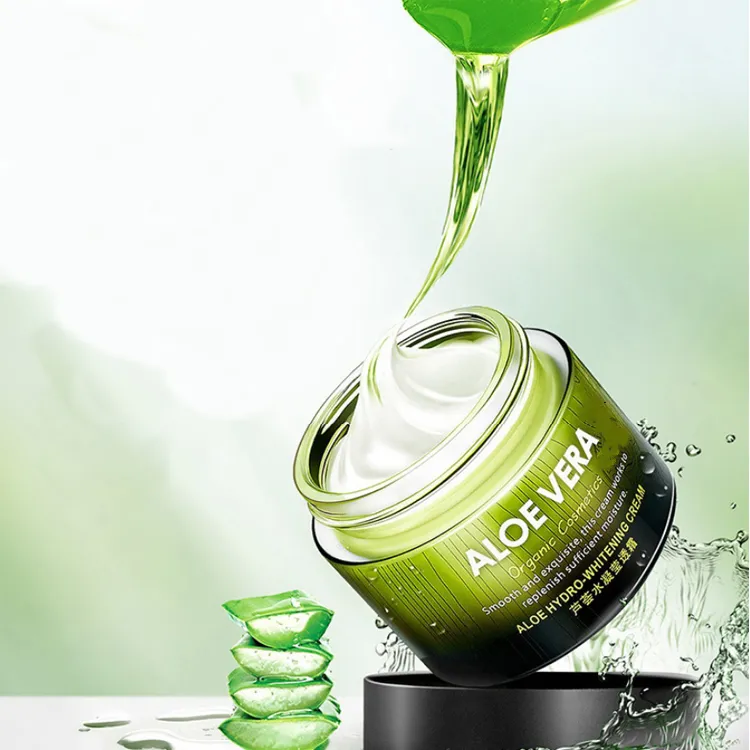
A basic whitening skincare line can include a cleanser, toner or essence, serum, cream, mask, and a sunscreen-related product. Usually, the serum is the star of the show, because customers tend to want their brightening products to feel more concentrated. The cream helps to support moisture and daily wear. A mask can boost visual and retail value, in particular for e-commerce and beauty salon channels.
I wouldn’t recommend launching too many SKUs for a start-up brand in the beginning. It’s easier to manage three to five products. A brightening cleanser, whitening serum, tone-evening cream, and hydrating brightening mask can already tell a complete story.
A supplier can advise the brand on which products to launch first based on MOQ, formula difficulty, packaging cost, and market need.
The heart of the product line is the formula concept. It describes what the product is supposed to do and how it benefits customers.
For a skin whitening product line, the formula concept could be based on brightening, reducing the appearance of dullness, correcting uneven skin tone, promoting radiance, or making the skin look clearer and fresher. For some brands, the idea might be a blend of whitening and hydration, barrier repair, anti-aging, or post-sun care.
I would rather not run the formula thing into the ground. A quality whitening strip should not feel uncomfortable or rough. “Many customers want brighter-looking skin, but they also want hydration, comfort, and a healthy skin feel.
This is why the balance of the formula is important. They can help fine-tune the formula so it doesn’t just sound good in marketing but feels good in the hands of the customer. The texture, pH, ingredient compatibility, stability, and skin feel all have to work together.
The active ingredient direction is one of the most important parts in developing a whitening product line. “Different ingredients can tell different product stories.”
Common brightening ingredients may be listed as niacinamide, vitamin C derivatives, alpha arbutin, tranexamic acid, licorice extract, glutathione, resveratrol, ferulic acid, kojic acid derivatives, pearl extract, rice extract, or botanical brightening complexes.
But I wouldn’t choose ingredients according to their popularity. The brand needs to consider the target market, type of product, direction of the claim, stability of the formula, and customer skin tolerance.
Vitamin C derivatives can be beneficial for radiance and antioxidant positioning but need careful formula design. Niacinamide is popular for brightening and barrier support, but the usage level and formula feel like they still need to be controlled. Botanical extracts can contribute to a more gentle natural brightening story but should be used with a stable base formula.
An excellent OEM/ODM can assist the brand in selecting an active ingredient direction that aligns with the product concept and production reality. This process is even more important when the brand needs a private label whitening serum, brightening cream, tone-evening mask, or full skin whitening set.
Texture can have a powerful impact on the repurchase of the product by customers. In the whitening skin care category, consumers prefer products that feel clean, smooth, and effortless to absorb.
Lightweight gel cream, watery serum, fast-absorbing emulsion, and non-sticky lotion might be more suitable in hot and humid markets. In dry climates or for premium skincare positioning, richer creams, soft emulsions, and nourishing masks may be more suitable.
I always paired texture options with the target customer. A whitening serum for oily skin should not be too heavy. A brightening cream for dry skin shouldn’t disappear too quickly. A spa or salon mask should feel more luxurious and professional.
The manufacturer can prepare different texture options to compare during development. That gives the brand flexibility to choose the version that best fits its market, price point, and brand image.
It’s not just about packaging selection and how it looks. It affects the following: product stability, customer trust, MOQ, filling process, and final cost.
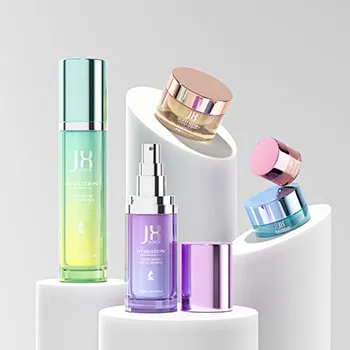
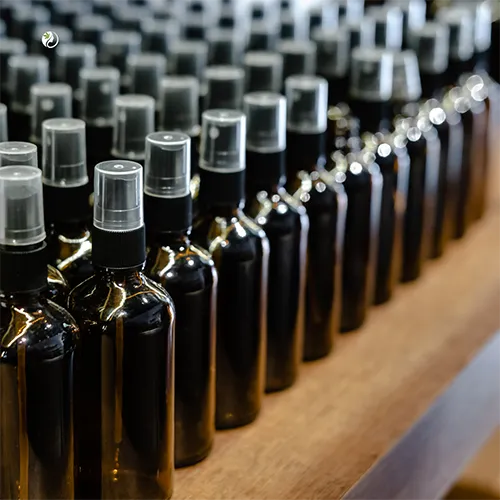
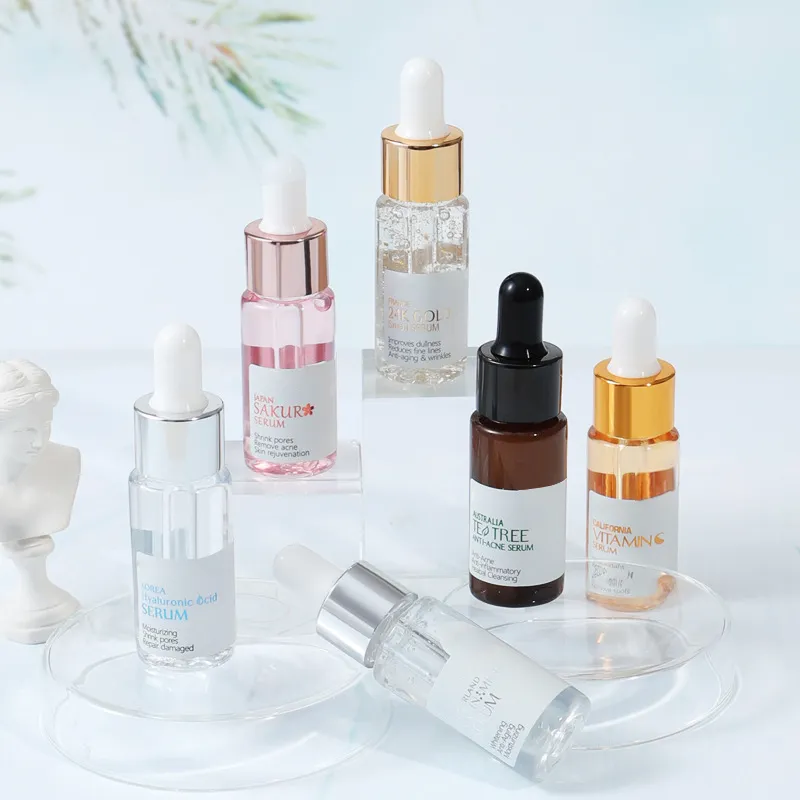
Dropper bottles, airless pump bottles, and small essence bottles are the common choices for whitening serum. For creams, airless jars and tubes all work well depending on formula texture. The sales channel can be used to select masks, sachets, jars, tubes, or sheet mask pouches.
If the product contains light-sensitive ingredients, packaging protection is even more important. The manufacturer can assist the brand in selecting the right bottles, pumps, tubes, caps, cartons, and label materials according to the formula and positioning.
I would go with packaging that is clean, bright, and professional for a premium whitening line. Sometimes a more subtle color palette and botanical design elements work better for a natural brightening line. Simple, minimal packaging of a clinical-style dark spot care line can foster more trust.
The last packaging should communicate the completeness of the product line rather than separate products from different vendors.
Sample testing is where the product gets real. Brands must do a thorough test of the formula before going into production.
I’d check texture, color, smell, absorption, stickiness, after-feel, packaging match, and layering with other products. And for whitening products, appearance counts as well, because customers tend to seek a clean and elegant presentation of the formula.
Feedback should be concrete. Sample: The brand should decide if it wants the serum to absorb faster, the cream to feel lighter, the fragrance to be subtler, the mask to be more hydrating, or the color to be more premium, instead of saying, "I want it better."
A manufacturer can then modify the sample based on clear feedback. This step is very important to avoid problems before bulk production.
The MOQ and lead time should be discussed early in the process. They affect the launch budget, packaging choice, production plan, and inventory risk.
For a private label skin-whitening product line, MOQ may vary depending on formula type, packaging, level of customization, and if the brand is using a mature formula or a fully custom formula. Established formula projects usually run faster; custom formulas might need more sample rounds and testing time.
Lead time also depends on the project. You may need to allocate time for sample development to adjust and verify the formula. For bulk production, raw material preparation, packaging preparation, filling, quality control, packing, and shipment preparation are required.
My typical advice for startup brands is to keep your product line narrow and start with a manageable MOQ. This gives the brand a chance to test the market before expanding to more SKUs.
A reputable manufacturer of skincare products should clearly explain the MOQ and lead time, not just give a simple price.
Document support is crucial for export skincare brands. Different markets may require different documents, and the brand should discuss it with the manufacturer prior to production.
Depending on the product and market, documents may include COA, MSDS, ingredient lists, product specifications, formula-related documents, free sale certificate support, CPNP support, CPSR support, PIF-related support, or other export materials.
If the brand wants to sell in the EU, UK, US, Middle East, or Southeast Asia, the documents and standards required for claims might be different. The manufacturer cannot stand in for the brand’s legal responsibility in the target market, but he can assist in preparing product information and production documents.
This support is very helpful for brands new to private-label skincare products. It makes it easier to move a project from product idea to market launch.
A good manufacturer does more than manufacture the product. It helps the brand to connect every step.
First, the manufacturer helps validate the direction of the product. The manufacturer then develops or modifies the formula concept. Then there are texture options, active ingredient direction, and package selection. Once the sample is approved, the manufacturer arranges for mass production, quality control, final packing, and shipment support.
This process is important because a whitening product line consists of many details. The formula must be good for the brand, the packaging must match the concept, the MOQ must be realistic, the lead time must fit the launch plan, and the document support must match the target market.
Following these steps together will make the end product line look more professional and easier to sell.
Working with an experienced OEM/ODM manufacturer will help solve a lot of the development problems for brands wanting to create a skin whitening product line.

Xiran Skincare offers private-label skin-whitening and brightening product development to brands looking to develop whitening serums, brightening creams, tone-evening masks, radiant-skin sets, and customized skincare routines.
We can assist with product direction, formulating concepts, selecting active ingredients, choosing texture options, packaging selection, sample testing, bulk production, planning for minimum order quantities (MOQ), communicating lead times, and providing supporting documents.
This can make it easier for startup brands to launch. It can assist in the development and production of a new whitening skincare category for well-known brands with added support more efficiently.
Having a popular ingredient or appealing packaging is not enough to create a skin-whitening product line for your market. It needs clear product direction, a suitable formula concept, stable active ingredient direction, comfortable texture options, and packaging selection that matches the brand image.
It also requires sample testing, realistic MOQ planning, clear lead time management, bulk production control, and document support for the target market.
The right manufacturer can make this process much easier for brands and startups. An experienced OEM/ODM partner can help develop a more complete, stable, and market-ready product line, rather than a risky project of turning a whitening product idea into reality.
A good whitening skincare line should feel clean, professional, and easy for the customer to understand. When the product direction, formula, texture, packaging, and production plan all come together, the brand has a much better chance of building trust in its market.