Copper peptide hair serum is becoming an attractive product direction for beauty brands entering the scalp care category.
Hair care is no longer only about shampoo, conditioner, and hair mask. More consumers now treat the scalp like facial skin. They want lightweight scalp serums, targeted root care products, hair density support formulas, and leave-on treatments that fit into daily routines.
This shift creates a strong opportunity for brands.
A private label copper peptide hair serum can help a brand build a more advanced, science-inspired, and premium scalp care line. It can be positioned for healthy scalp care, stronger-looking hair, fuller-looking hair, root care, and daily scalp maintenance.
For brands planning to develop scalp serum, scalp ampoules, or hair root care products, copper peptide can be used as a hero ingredient or as part of a broader multi-active formula.

This guide explains how hair care brands can develop private label copper peptide hair serum products, including formula ideas, texture choices, packaging options, claim direction, sample testing, and OEM/ODM production planning.
Copper peptide hair serum is a leave-on scalp care product that uses copper peptide, often GHK-Cu, as a key active ingredient.
In skincare, copper peptide is commonly associated with premium peptide care, skin repair-inspired formulas, firmness, elasticity, and barrier support. In hair care, it is often used in scalp-focused products because the scalp is also skin.
For private label hair care brands, copper peptide can support a product story around:
A copper peptide hair serum is not the same as a medical hair loss treatment. It should be positioned as a cosmetic scalp care product that helps improve the look and feel of the scalp and hair.
Copper peptide works well for brands because it has a strong ingredient story.
Many common hair care products still focus on cleansing, smoothing, or repairing damaged hair lengths. Copper peptide allows a brand to build a more targeted scalp care product.
It fits several market directions:
For brands, this is useful because copper peptide hair serum can become a hero product. It can also be extended into a complete line with scalp ampoules, scalp tonic, shampoo, conditioner, hair mask, and hair treatment products.
Copper peptide can be used in different hair care products, but the strongest private label formats are usually leave-on products.
This is the most direct product format.
A scalp serum is easy for consumers to understand. It can be used after cleansing or before styling. It can be applied directly to the scalp and massaged into the roots.
Best for:
Hair ampoules are suitable for more intensive product positioning.
They feel professional, concentrated, and high-value. A hair ampoule can be sold as a treatment program, such as a 7-day, 14-day, or 30-day scalp care routine.
Best for:
Root care serum focuses more directly on the hair root and scalp area.
This product can be positioned for weak-looking roots, thin-looking hair, or customers who want more targeted care at the scalp.
Best for:
A scalp tonic is usually lighter and more refreshing than serum.
It can be developed as a spray, mist, or nozzle-applicator product. This format is suitable for daily use and can be easier for oily scalp customers.
Best for:
A good copper peptide hair serum should not rely on one ingredient alone.
The formula should match the product positioning, target customer, texture, packaging, and price level.

Below are several formula directions that brands can consider.
This formula direction uses GHK-Cu as the hero ingredient.
It is suitable for brands that want a premium, science-inspired, and peptide-based scalp care product.
A lightweight gel serum or watery serum usually works well.
The texture should be easy to apply, fast-absorbing, non-greasy, and suitable for leave-on scalp use. A slightly blue-toned serum can also support the copper peptide concept visually, if the formula allows it.
This formula is suitable for brands that want a premium hero product.
This direction combines copper peptide with caffeine.
Caffeine is already familiar to many hair care customers. When paired with copper peptide, it can create a stronger root care and scalp energizing story.
This formula works well as a watery serum, essence serum, or sprayable tonic.
It should feel fresh and light. This is important because many customers do not want a scalp serum that makes the hair look oily.
This formula direction is suitable for both men’s and women’s scalp care products.
This direction is suitable for brands that want a more performance-driven product.
Redensyl is often used in hair density and thinning-looking hair care products. When combined with copper peptide, the formula can have both a peptide scalp care story and a stronger hair density positioning.
A light gel serum or watery serum is usually the best choice.
This type of product should be comfortable for daily use. It should absorb without leaving a heavy film on the scalp.
This is a strong option for brands that want a commercial hair density serum product.
This formula direction is suitable for brands that want a natural-meets-science product story.
Capixyl is often associated with peptide and botanical scalp care positioning. When combined with copper peptide, it can create a more premium active formula while still feeling approachable.
A lightweight serum or tonic texture is suitable.
For natural-inspired brands, a clear or lightly tinted serum can work well. The fragrance should be soft and not too strong, especially for scalp use.
This direction works well for clean beauty, botanical hair care, and salon scalp care brands.
Rosemary has become popular in hair care because many consumers associate it with scalp care and natural hair routines.
A copper peptide + rosemary formula can combine a scientific peptide story with a plant-based scalp care image.
This formula can be developed as a scalp tonic, serum, or spray.
Brands should be careful with rosemary essential oil levels because scalp sensitivity can be a concern. A manufacturer can help choose between rosemary extract, rosemary water, rosemary oil, or fragrance-based positioning.
This product is suitable for brands that want to target natural hair care consumers while keeping a modern formula story.
Hair ampoules are excellent for premium treatment programs.
They can create a more professional and intensive product experience. Brands can sell them as a weekly or monthly scalp care set.
Ampoules should feel concentrated but not sticky.
A clear watery ampoule or light essence texture works best. The formula should be easy to apply directly to the scalp.
This format works well for premium retail, salons, spas, and professional scalp care programs.
Men’s hair care is another useful product direction.
Many male consumers prefer simple, functional, and non-greasy scalp products. A copper peptide men’s scalp serum can be positioned around root care, scalp freshness, and stronger-looking hair.
A watery serum, cooling tonic, or fast-absorbing spray is usually better than a rich gel.
The product should not leave residue or make hair look flat.
This direction is suitable for grooming brands, barber channel products, and DTC men’s care brands.
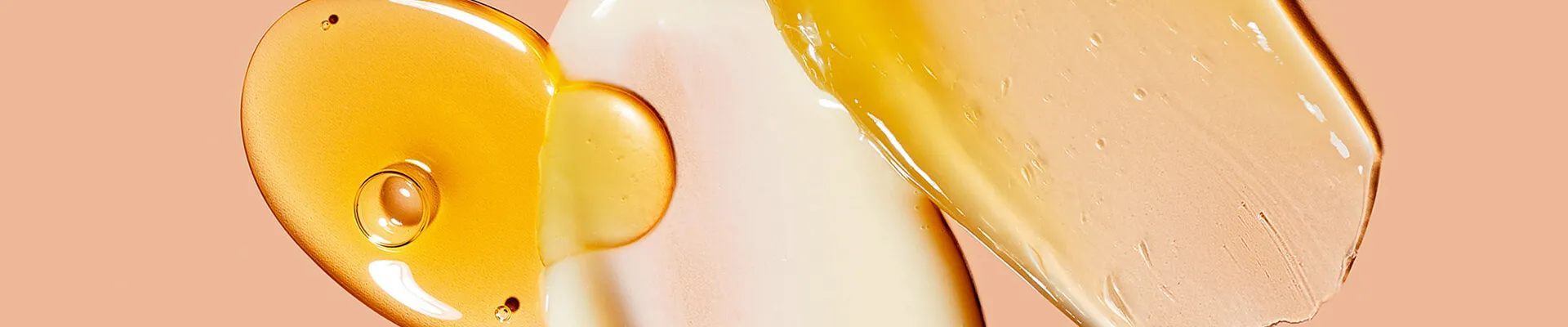
Texture is one of the most important parts of scalp serum development.
A good scalp serum should not feel oily, sticky, or heavy. Customers need to feel comfortable using it regularly.

| Texture Type | Best For | Product Feel |
| Watery serum | Oily scalp, daily use | Very light, fast-absorbing, refreshing |
| Gel serum | Premium scalp serum | Smooth, hydrating, slightly cushiony |
| Essence serum | Asian-style hair care | Fluid, layerable, fresh |
| Spray tonic | Men’s care, oily scalp | Easy to apply, non-greasy |
| Ampoule texture | Treatment program | Concentrated, professional, premium |
| Cooling serum | Scalp refreshing products | Fresh, clean, energizing |
For most brands, the safest starting point is a lightweight, non-greasy, leave-on serum. It can suit more customers and reduce complaints about residue.
Packaging should match the formula and application method.
For scalp products, the user must be able to apply the product directly to the scalp. If the packaging makes application difficult, the product experience will suffer.
| Packaging Type | Best For | Advantage |
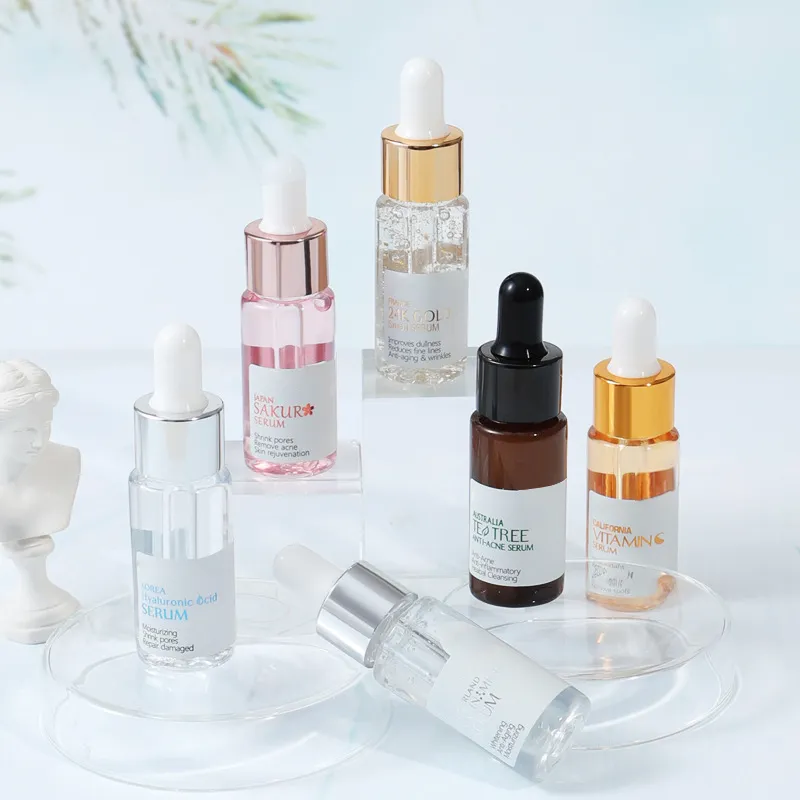
| Dropper bottle | Premium serum | High-end look, easy dosage |
| Scalp applicator bottle | Root care serum | Direct scalp application |
| Precision nozzle bottle | Hair density serum | Easy to target the scalp |
| Spray bottle | Scalp tonic | Fast and convenient |
| Airless pump bottle | Premium formulas | Cleaner and protective |
| Ampoule vial | Treatment set | Professional and intensive |
| Travel-size bottle | Starter kit | Good for trials and sets |
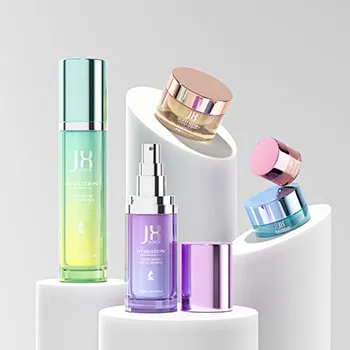
Copper peptide hair serum packaging often works well with:
For natural-inspired formulas, brands can also use green, amber, beige, or botanical design elements.
A private label copper peptide hair serum can be positioned in several ways.
This direction focuses on science, advanced care, and the skinification of hair care.
Suitable for:
This direction focuses on fuller-looking hair and thinning-looking hair routines.
Suitable for:
This direction focuses on weak-looking roots and daily scalp maintenance.
Suitable for:
This direction combines copper peptide with plant extracts.
Suitable for:
This direction creates a treatment program with stronger perceived value.
Suitable for:
Hair growth claims need careful wording.
For cosmetic products, it is usually safer to focus on scalp care, hair appearance, and cosmetic support rather than medical treatment claims.
A good manufacturer should help brands build product wording that is attractive but still suitable for cosmetic positioning.

Developing a successful copper peptide hair serum requires a clear process.
Before formulation begins, the brand should define:
A clear product brief helps the manufacturer develop better samples.
The brand should decide whether copper peptide is the only hero ingredient or part of a broader active system.
Common options include:
The formula should match the product story and price point.
The texture should match customer habits.
For leave-on scalp products, light textures usually work best. A scalp serum that feels greasy or sticky may reduce repeat purchase.
The brand should test:
Packaging should support both branding and application.
For example, a dropper bottle looks premium, but a nozzle bottle may be easier for scalp application. A spray bottle is convenient, but not every formula is suitable for spraying.
The manufacturer should check formula and packaging compatibility before bulk production.
The first sample should be reviewed for:
Sample feedback is very important. Brands should test the product in realistic use conditions, not only on the hand.
Common adjustments include:
A good sample process helps reduce problems before bulk production.
Depending on the target market, product type, and brand requirements, testing may include:
Testing helps improve product reliability and supports a more professional launch.
After final sample approval, the manufacturer prepares for bulk production.
This usually includes:
For export brands, documentation support may also be needed.
Brands can create a stronger product line by building a full routine.
Product sets can help increase order value and create a more complete brand story.
Scalp products should feel light. A greasy formula may discourage daily use.
More ingredients do not always make a better product. A clear formula story is more useful for marketing.
The package must support direct scalp application and formula stability.
Hair growth claims should be reviewed carefully. Cosmetic brands should use safer scalp care and appearance-based wording.
A scalp serum should be tested on the scalp and hair roots, not only on the hand.
Developing a private label copper peptide hair serum requires more than choosing an ingredient.
Brands need support with formula direction, texture testing, packaging selection, sample adjustment, production control, and export-ready manufacturing.
Xiran Skincare supports skincare and hair care brands with OEM/ODM private label development for:
We can support your project from concept to finished product, including formula customization, packaging sourcing, sample testing, bulk production, quality inspection, label support, and export documentation.
Whether you want to develop a premium GHK-Cu scalp serum, a copper peptide hair ampoule set, or a lightweight root care serum, we can help match the formula, texture, and packaging with your brand positioning.
Copper peptide hair serum is a strong product opportunity for brands entering the scalp care and hair density category.
It works especially well for brands that want a premium, science-inspired, and active ingredient-focused product. The best product formats include scalp serum, hair ampoules, root care serum, and scalp tonic.
A successful private label copper peptide hair serum should have a clear formula concept, lightweight texture, suitable packaging, careful claim direction, strong sample testing, and reliable production support.
For hair care brands, the goal is not only to create another serum. The goal is to create a scalp care product that feels targeted, premium, and easy for customers to use regularly.