If I had to explain vegan hair oil in a few words, I would say it is a mix of performance, cleaner positioning, and what modern consumers expect.
A hair oil can't just feel rich or look shiny on the shelf anymore. A lot of brands today want formulas that fit in with bigger beauty trends, like using plant-based ingredients, having lightweight textures, being silicone-free or having less silicone, and telling a more conscious product story. This is why vegan hair oil has become a more interesting category, especially for brands that want to make modern hair care lines with clear positioning.
I also think it's important to be realistic. Not just a name, "vegan hair oil" means something. The formula still needs to make hair feel soft, shiny, smooth, and nice if the product is going to work. To put it another way, the idea is important, but the feel and performance are just as important.
In this guide, I want to talk about what vegan hair oil really means, how it is similar to terms like veganic hair oil and plant-based hair oil, what ingredients are often used, and what brands should keep in mind when making a formula for the market today.

When I say "vegan hair oil," I usually mean a hair oil that doesn't have any animal-derived ingredients in it and is based on plant-based or synthetic vegan-friendly alternatives.
This usually means a formula made with plant-based oils, emollients, and a sensory profile that nourishes the hair without using animal-based ingredients.
That being said, the group can still be very different. Some vegan hair oils are made to be light finishing oils that you can use every day. Others are more focused on treatment and have more money. Some are better for the scalp, while others are better for the ends and mid-lengths. That is why I don't think there is only one "right" way to make vegan hair oil. It is a general direction for products, not a specific type of formula.
Things start to get a little more complicated here.
In short, I would say that vegan hair oil is the clearer and more widely used term. On the other hand, veganic hair oil seems more like a new marketing term or idea. In some situations, it is used to suggest a mix of vegan ideas and ideas for making things from plants or nature.
So, even though the two words can mean the same thing, they aren't always used that way. I think vegan hair oil is the stronger main term, while veganic hair oil works better as a secondary phrase or idea that supports the main idea in the article.
The wording itself isn't the most important thing for brands to remember. It's the product direction behind it: modern, plant-based, focused on performance, and in line with clean beauty standards.
It's easy to see why vegan hair oil is popular when you think about how people's expectations have changed.
A lot of people who buy hair care products these days want ones that feel more thoughtful in both their formula and their brand story. They are paying more attention to where the ingredients come from, how the product feels, how heavy it is, and whether the formula fits with bigger ideas like vegan beauty, botanical care, or simple routines.
For brands, there are a number of reasons why vegan hair oil is appealing.
A vegan formula often fits in with the brand's overall message about plant-based beauty, modern wellness, and making products with care.
A good vegan hair oil can help with frizz, dryness, dullness, rough ends, softness, shine, or light weight nourishment. That gives brands more freedom in how they promote it.
Some brands want a finishing oil that is light. Some people want a scalp and ends oil, an overnight repair oil, or a botanical hair serum that can be used for more than one thing. Vegan hair oil opens the door to new product ideas.
A lot of people want hair oils that feel good on their hair but don't make it greasy. This is especially important for modern formulas that are meant to be used every day or on fine to medium hair.
Many consumers want hair oils that feel nourishing but not greasy. That is especially important for modern formulas aimed at daily use or fine-to-medium hair types.
When talking to a brand or product team about the benefits of vegan hair oil, I would focus on real results instead of vague claims.

One of the best things about a good vegan hair oil is that it can make your hair feel smoother, softer, and easier to work with.
When the formula has the right mix of lightweight oils and conditioning emollients, it can help calm the look of frizz and flyaways without making the hair look too heavy.
A strong formula should make shine and polish look better while still feeling nice to use.
Hair oils are especially helpful on the ends, where dryness, roughness, and split ends are more noticeable.
Hair oil also has emotional value when it comes to building a brand. It often feels more luxurious and sensory than a regular leave-in product, which makes it appealing in high-end, health, and clean beauty lines.
I usually think of vegan hair oil ingredients as falling into three groups: botanical oils, lightweight emollients, and supportive actives or extracts.

Botanical oils: These are often the foundation of the product story.
This is when designing the formula becomes very important. A vegan hair oil that only uses heavy plant oils might feel too heavy for some people. That's why a lot of modern formulas mix natural oils with lighter emollients that make the product easier to spread, feel better when it absorbs, and look better.
This is very important for brands. People may like the idea of botanical oils, but they still want the product to be smooth, not sticky, and easy to use.
I believe that one of the biggest mistakes in this area is thinking that just saying a product is vegan is enough to make it desirable. No, it isn't.
A good vegan hair oil formula usually needs to get a lot of things right at the same time.
A finishing oil for fine hair that is light should not feel like a deep repair oil for hair that is very dry or rough. Brands need to figure out who the product is really for.
People want food, but most don't want it to be greasy or too coated. The way it spreads, how it feels afterward, and how it feels on hair all matter.
A lot of formulas try to say too much at once. I usually think that a clearer story about the ingredients is better. For instance, a formula can be made to give your hair a light shine, control frizz, nourish your scalp, or fix it overnight.
From a branding point of view, the formula needs a strong reason to be there. "Vegan hair oil" is a step in the right direction, but the final product needs to be more clearly defined in the market.

From a product development point of view, I think vegan hair oil is one of those categories that becomes much stronger when the concept is specific.
This version is meant to be used every day and works well on fine, straight, or hair that is easy to weigh down. The main things to look for are softness, shine, and anti-frizz performance without being heavy.
This idea could use a more treatment-focused approach and a wider range of plant oils. It works well for ranges that are focused on repair or moisture.
This kind of formula combines language for scalp care with hair care. It can work for hair care brands that focus on plants, herbs, or health.
This version is good for brands that want a more in-depth care story. It can be marketed as a product that provides deep nourishment, softness the next day, and a more ritual-like user experience.
This is a great choice for brands that want a more modern look. It can be sold as a finishing oil, a pre-styling smoother, and a touch-up for frizzy hair all in one.
I think one of the smartest things a brand can do is not make the product too vague.
"Vegan hair oil" is a good place to start, but the market usually does better when the positioning is more specific. For instance:
This kind of placement makes the product seem more useful and easier to find at the same time.
It also makes it easier for the language used in the formula, packaging, and marketing to match up better. Even though both are vegan hair oils, a sleek, lightweight oil and a rich, repair oil should not be shown in the same way.t be presented in exactly the same way, even if both fall under the vegan hair oil category.

I don't think the success of hair oil is just about the ingredients. How the product looks and feels is a big part of how people see it.
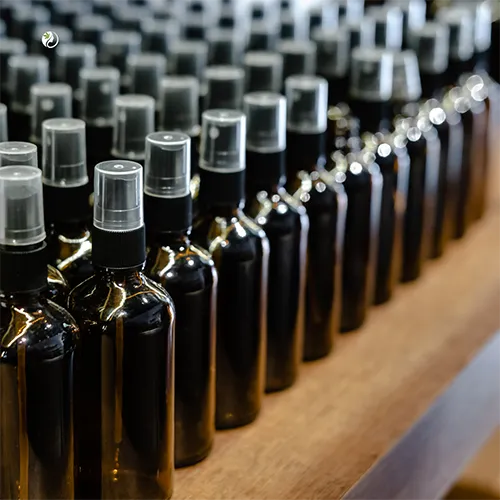
A high-quality glass dropper bottle gives a very different impression than a pump bottle that is meant to be used quickly every day. The smell of the product also changes the way it feels a lot. Some brands want a new botanical scent, while others want a warm salon-like scent or a softer natural clean beauty scent.
For modern brands, the formula has to work, but the sensory identity is what makes the product stand out.
A brand can start with a basic idea and then change things like the scent, thickness, key oils, packaging style, or target market position. It also fits well into the development of a larger line of hair care products. As part of a larger line, a vegan hair oil can be used with shampoo, conditioner, scalp serum, hair mask, or leave-in treatment.
That is one reason I think this product direction is good for both new and old brands. It has enough familiarity for customers to get it right away, but there is still room for brand differentiation through story-telling and formula design.
If I had to sum up the category in one sentence, I would say that vegan hair oil works best when it is used as both a performance product and a positioning product.
The claim that the product is vegan might help get people interested, but the formula's real success still depends on how it feels, how clearly it is positioned, and whether it meets real hair needs like softness, shine, frizz control, and light nourishment.
This makes vegan hair oil a good category for modern hair care brands to look into. It can be shaped into different textures, benefit stories, and times when it can be used, which means it has a lot of room to grow. When the formula, ingredient story, and packaging all work together, it's much easier to make a product that feels new instead of generic.
Vegan hair oil is a hair oil formula made without animal-derived ingredients. It is usually built around botanical oils, plant-derived emollients, and a modern clean or plant-based product concept.
Common ingredients include argan oil, jojoba oil, coconut oil, sunflower seed oil, avocado oil, plant-derived squalane, rosemary extract, and vitamin E.
Yes, it can be. A well-designed vegan hair oil can help soften dry-feeling hair, improve shine, and reduce the look of frizz, especially when the formula is matched to the right hair type.
Yes. Private label vegan hair oil is a flexible category that can be customized through formula texture, ingredient choice, fragrance direction, packaging, and positioning.
Brands should think about target hair type, product texture, key ingredient story, fragrance, packaging, and whether the formula is meant for daily shine, scalp care, repair, or multi-use styling support.